Museums near The AZ Museum
We do not ask your browser where you are. We collect no data about people. Place the point on the city map yourself — we will find the nearest museums that suit your preferences.
The Museum of the Russian Icon
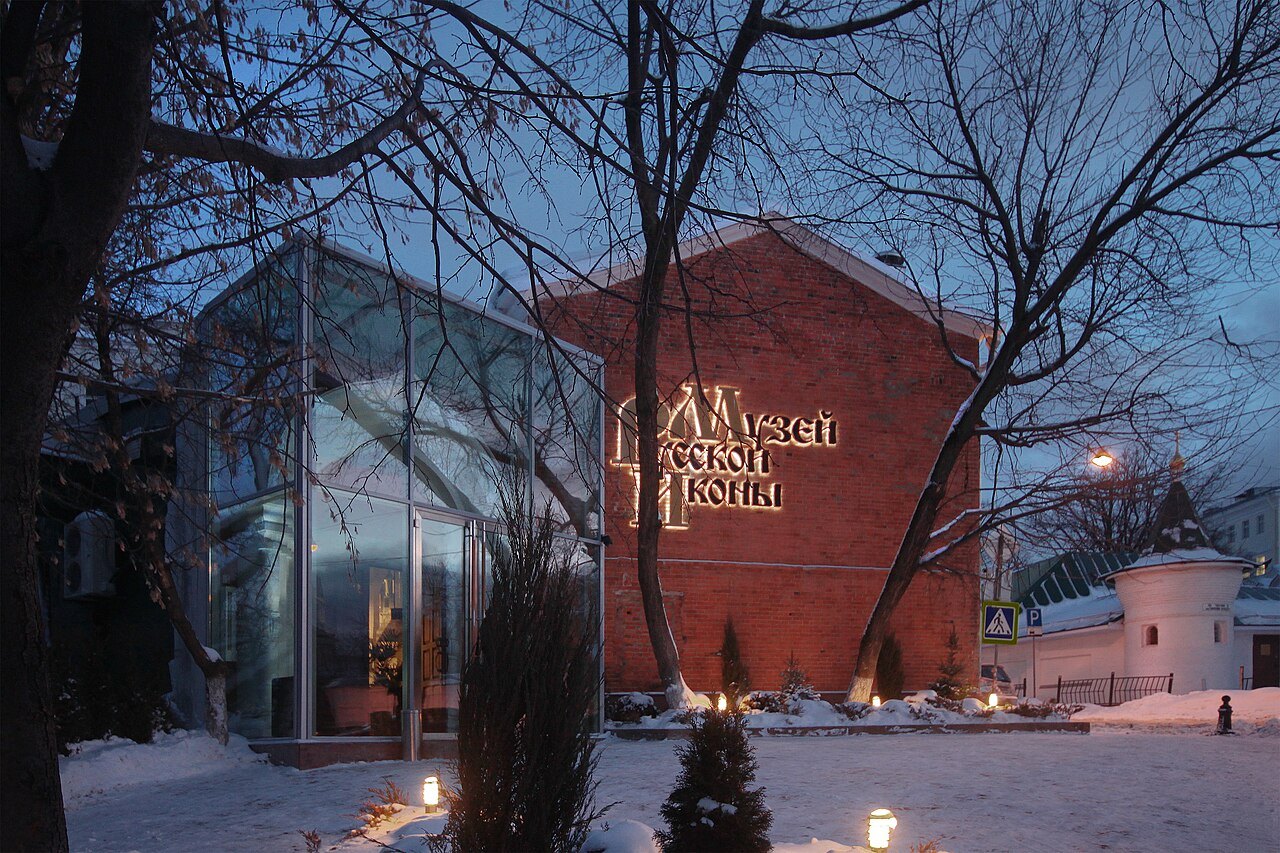
The Russian icon of the 14th to 20th century, from Novgorod panels to Old Believer painting; Ethiopian Christian art, the only such collection in Russia; a reconstructed iconostasis and post-Byzantine Greek icons.
The Chocolate Museum
A walk into the working shop where sweets are wrapped in front of you; the history of Einem and Krasny Oktyabr in original wrappers and advertising.
The Tropinin Museum
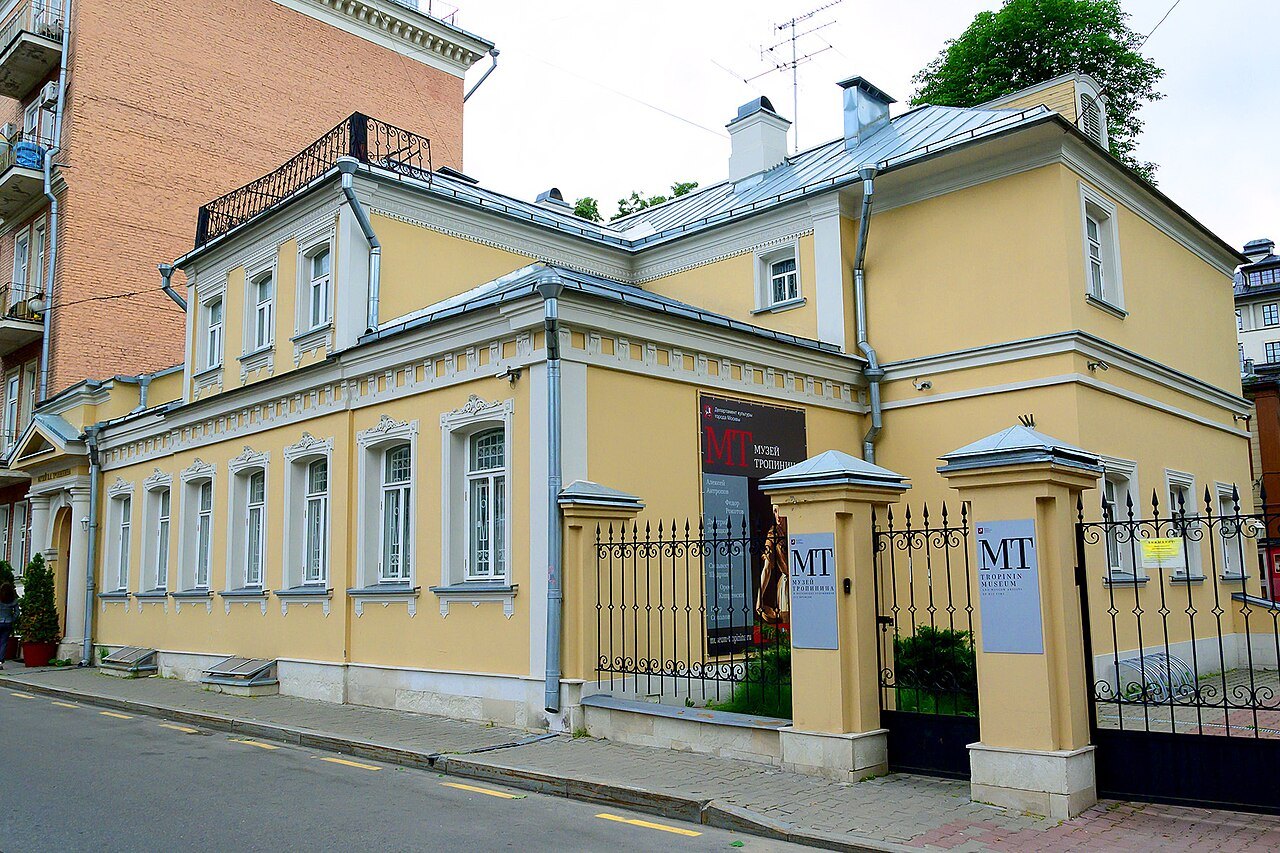
Portraits by Vasily Tropinin and his Moscow contemporaries, work by serf artists, Russian Biedermeier. The quiet Zamoskvorechye lane and the house itself are half the pleasure.
The Bakhrushin Museum
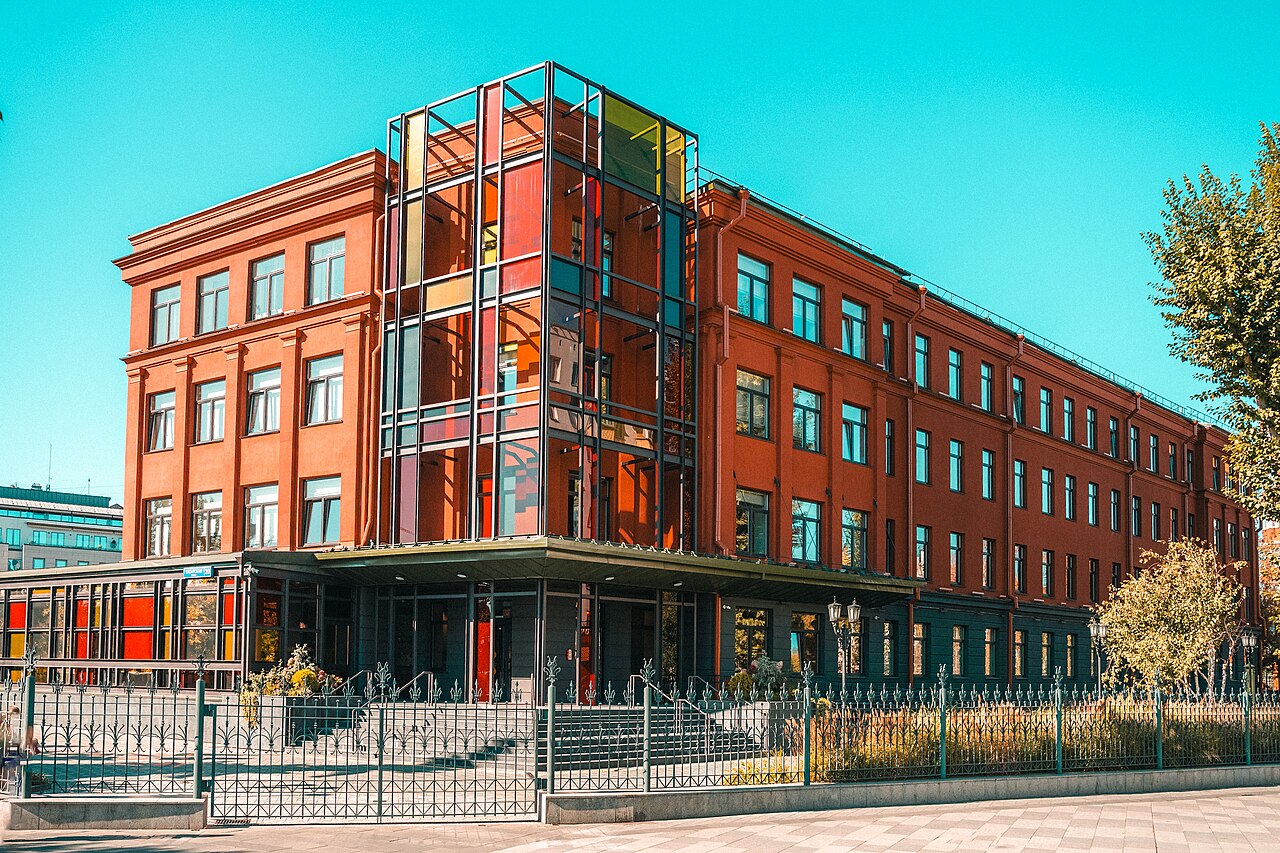
Designs for sets and costumes by Golovin, Bakst, Korovin, Exter and Tatlin. Costumes and possessions of the great actors. Stage models. The archives of theatres and directors. Bakhrushin’s own house, built for the collection.
The Museum of Patrons
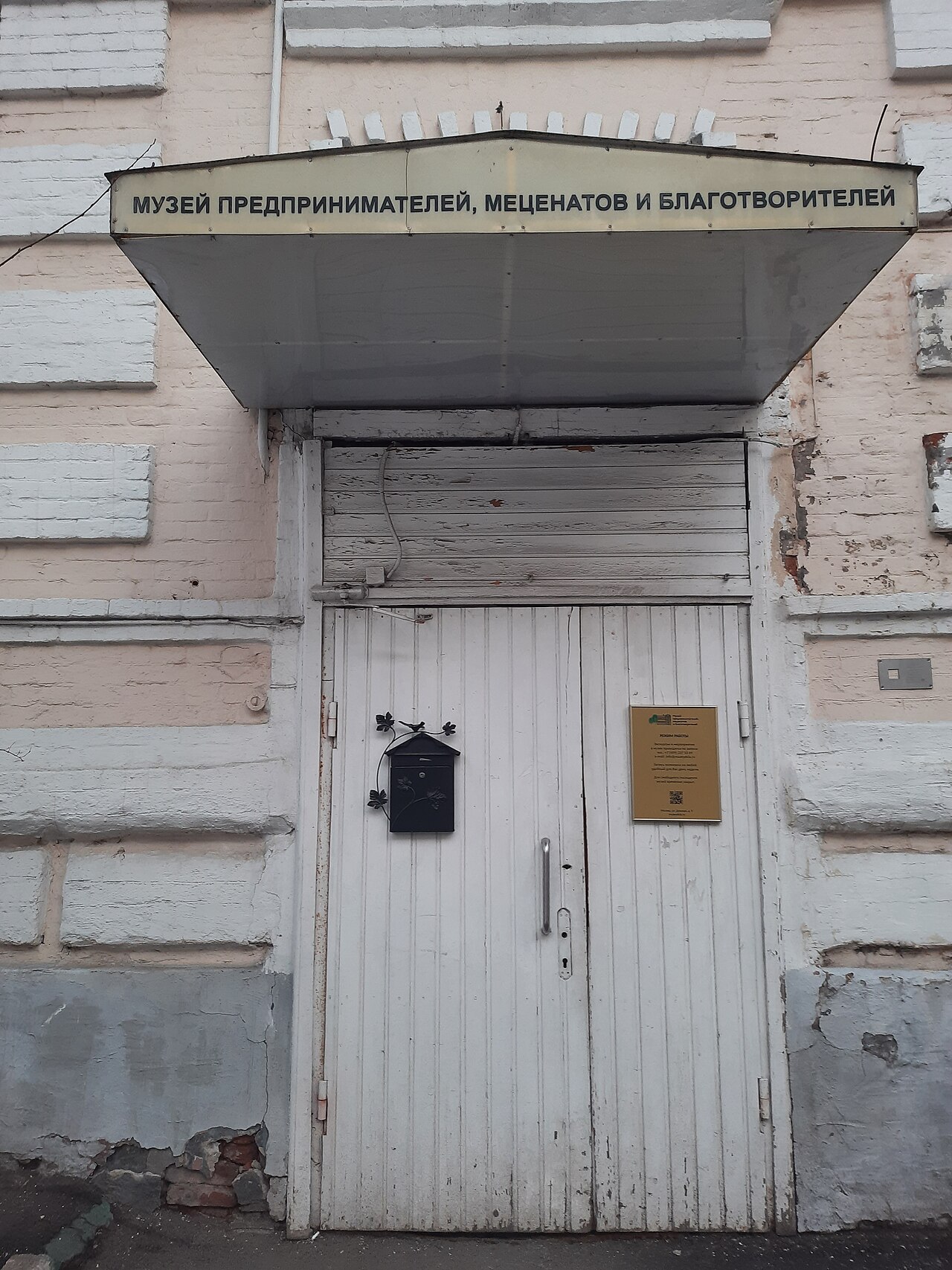
Documents, portraits and belongings of the Moscow merchantry of the nineteenth century. Material on the Tretyakov, Morozov, Bakhrushin and Shchukin dynasties. The house of Ivan Prostyakov, in which the museum lives.
The Rublev Museum
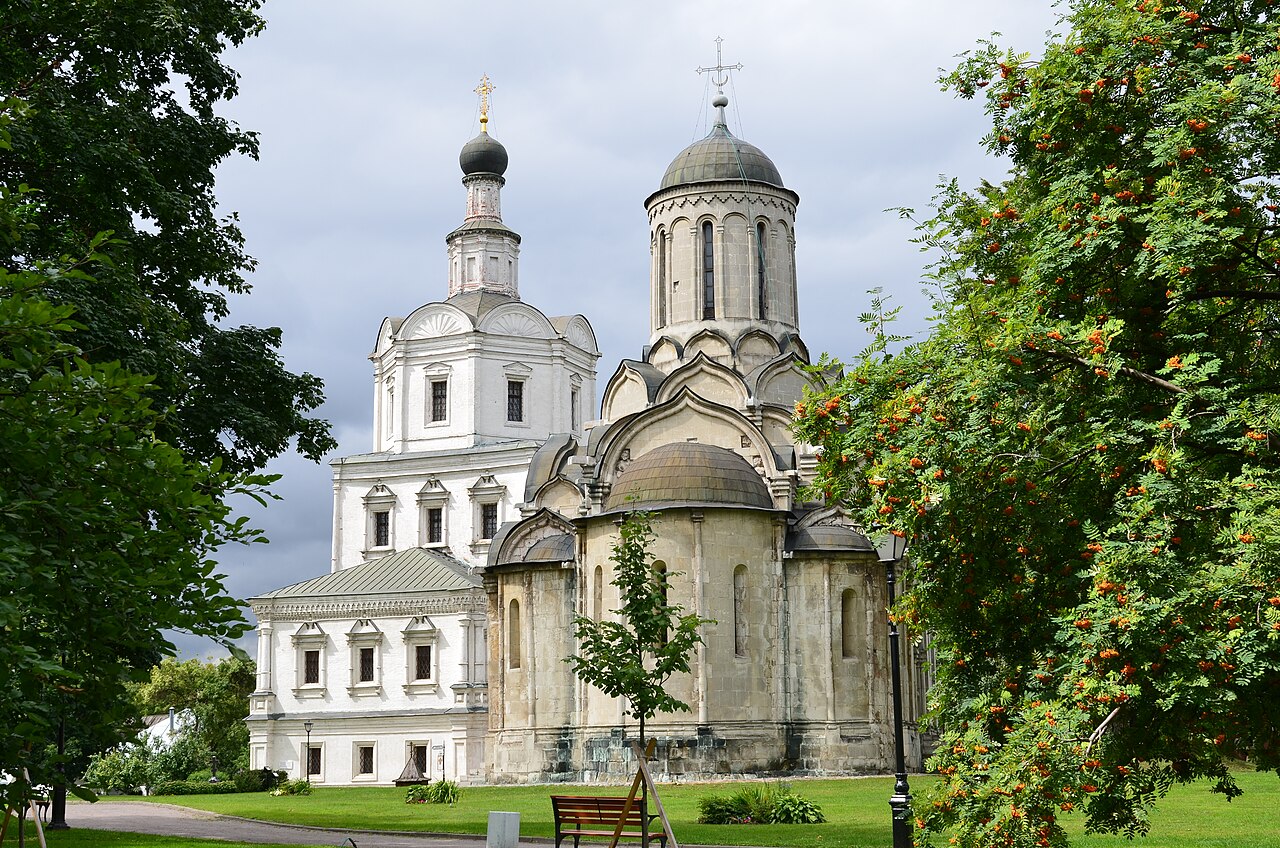
Icons of the thirteenth to seventeenth centuries, gathered by the museum’s own expeditions. Royal doors and whole iconostasis sets. Fragments of wall painting. The Saviour Cathedral of the 1420s — the oldest building in Moscow, with remains of ornamental painting associated with Rublev.
Novodevichy Convent
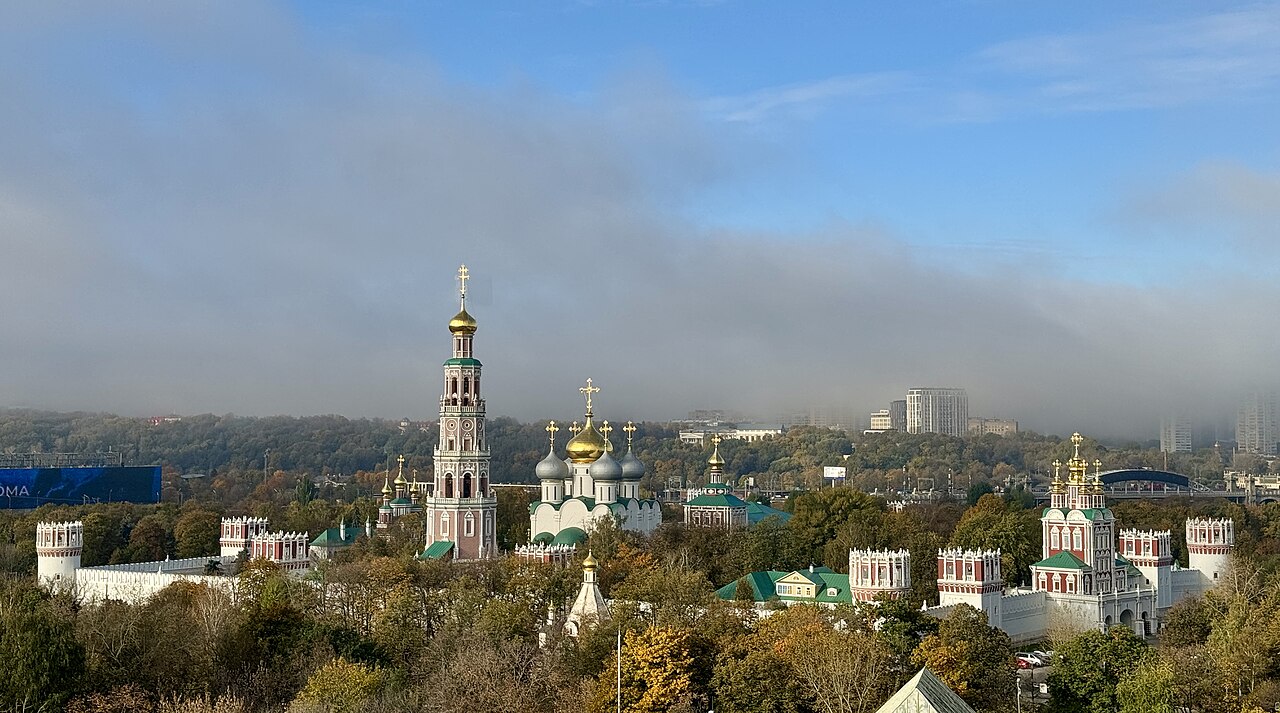
The Smolensk Cathedral of 1524 with its sixteenth-century wall painting and iconostasis. The walls and towers of the late seventeenth century — Moscow Baroque entire. The burial ground: Denis Davydov, Sergei Solovyov, and Chekhov before he was moved.
The Borodino Panorama
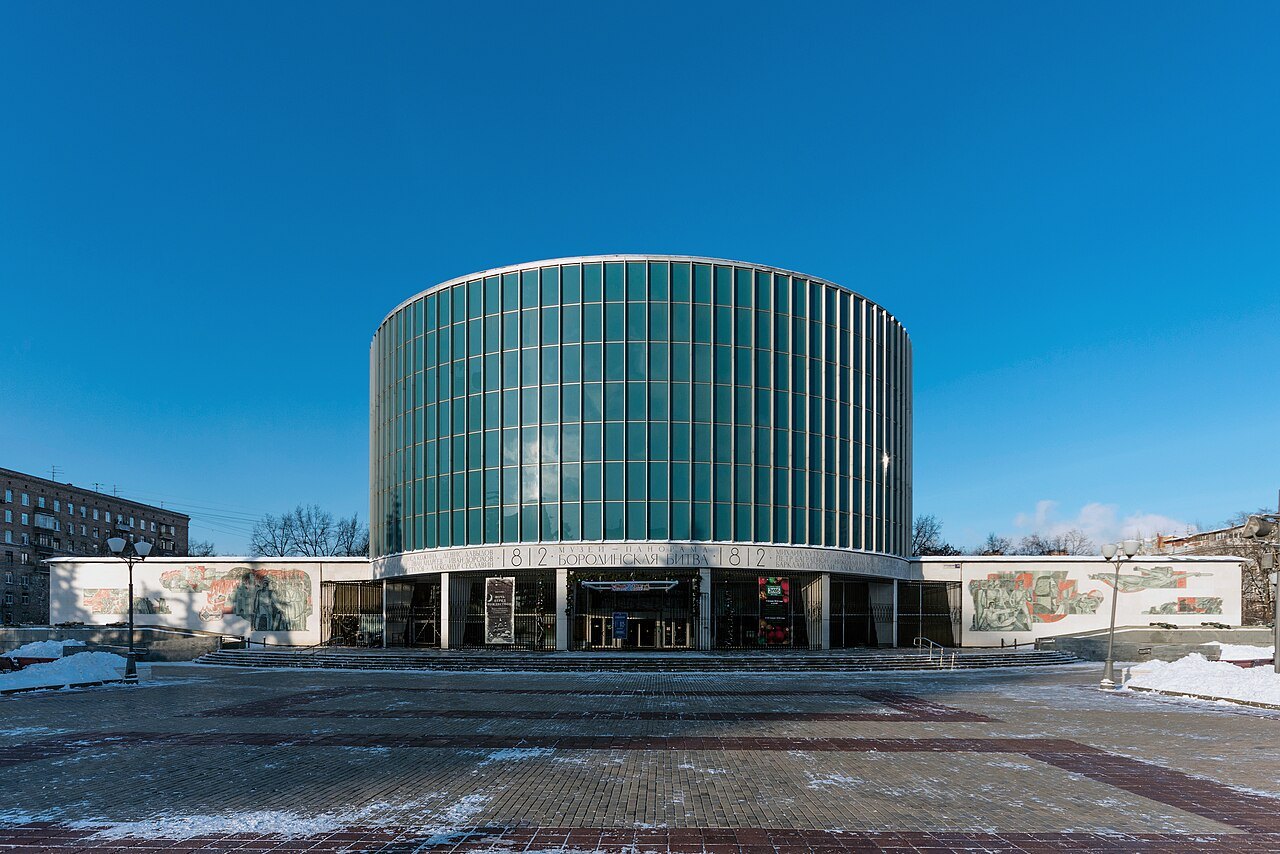
Franz Roubaud’s Borodino panorama of 1912: 115 metres of canvas in the round, 15 metres high. Next door, the Kutuzov hut where on 1 September 1812 the council of war decided to abandon Moscow.
Ostankino
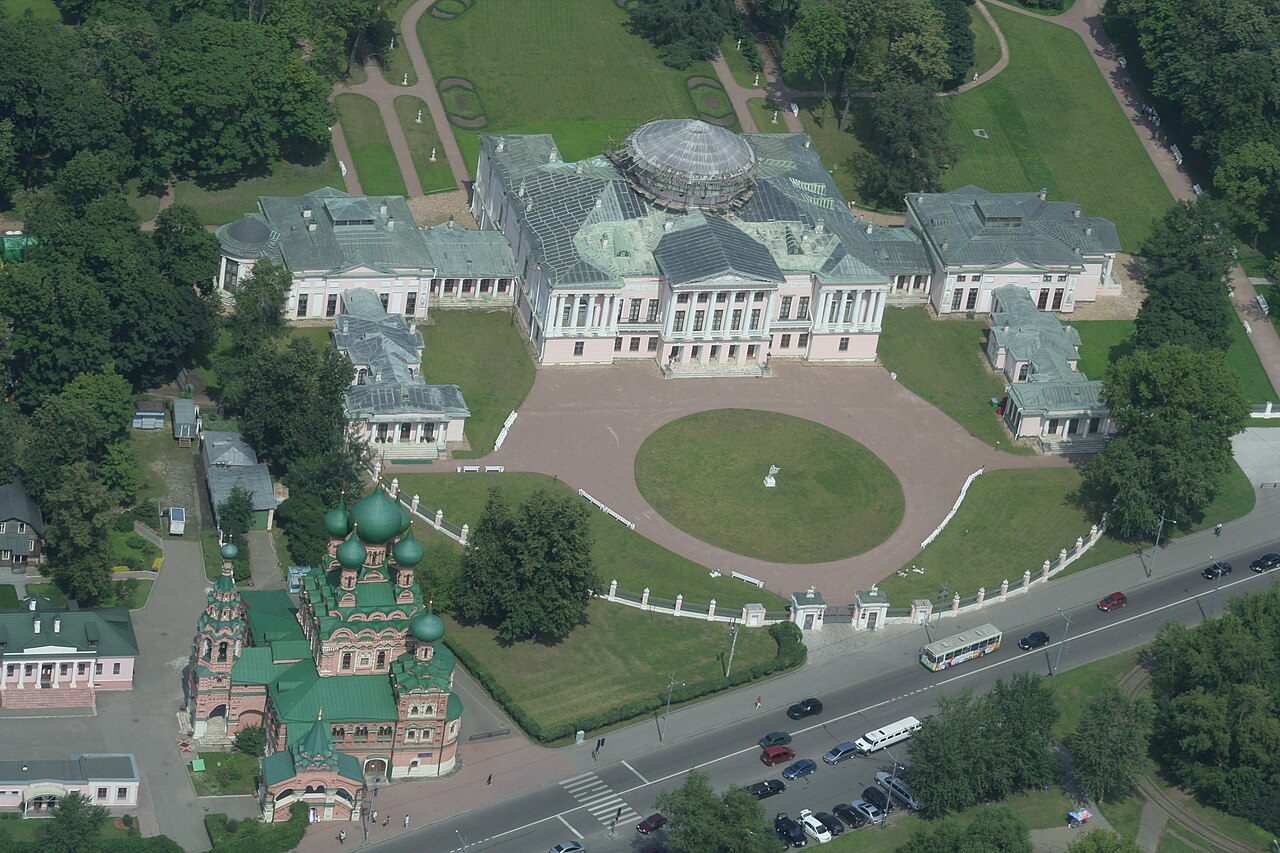
The theatre hall with its machinery, which turned it into a ballroom. The Egyptian and Italian pavilions. A collection of light fittings and carved wood. The Church of the Life-Giving Trinity of 1683 beside the palace.
The Mineralogical Museum
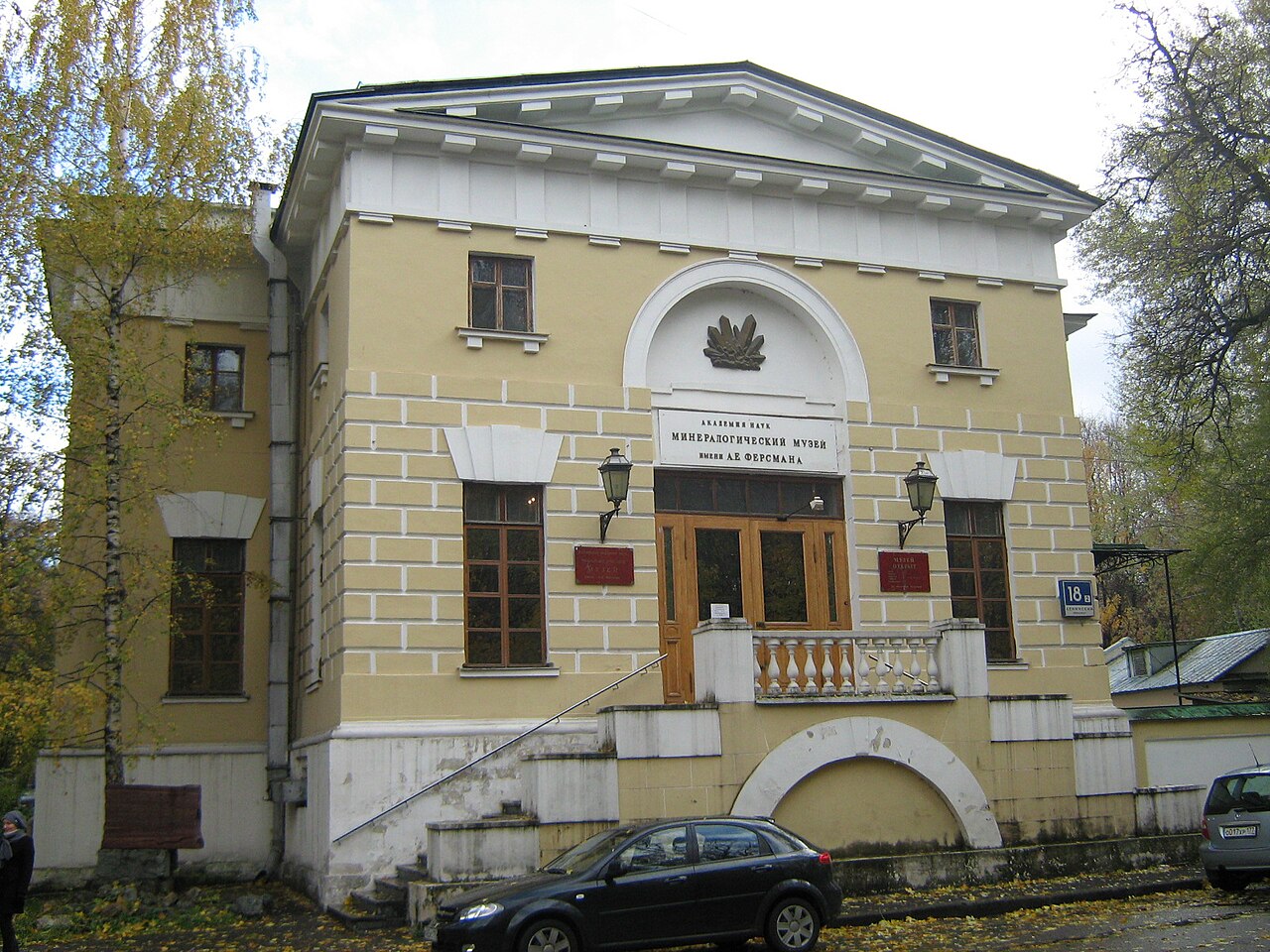
The systematic collection — the whole known mineral world by class. Ural malachite and rhodonite from the old crown holdings. Meteorites. Hardstone work by Fabergé and the Peterhof lapidary works. Large specimens of a size only museums of this age possess.
5 museums have no point set. They are not in this count.