Here the museums of every city stand in one run, and at the top are those we value most. A city list cannot be arranged this way: it is held together by geography, and a collection from a town of twenty thousand stands there among its neighbours in the street, as it would in a telephone directory. Here it comes to stand beside a famous one — if it has earned that — and the neighbourhood says more about it than any praise would. Our measure is the same in every city.
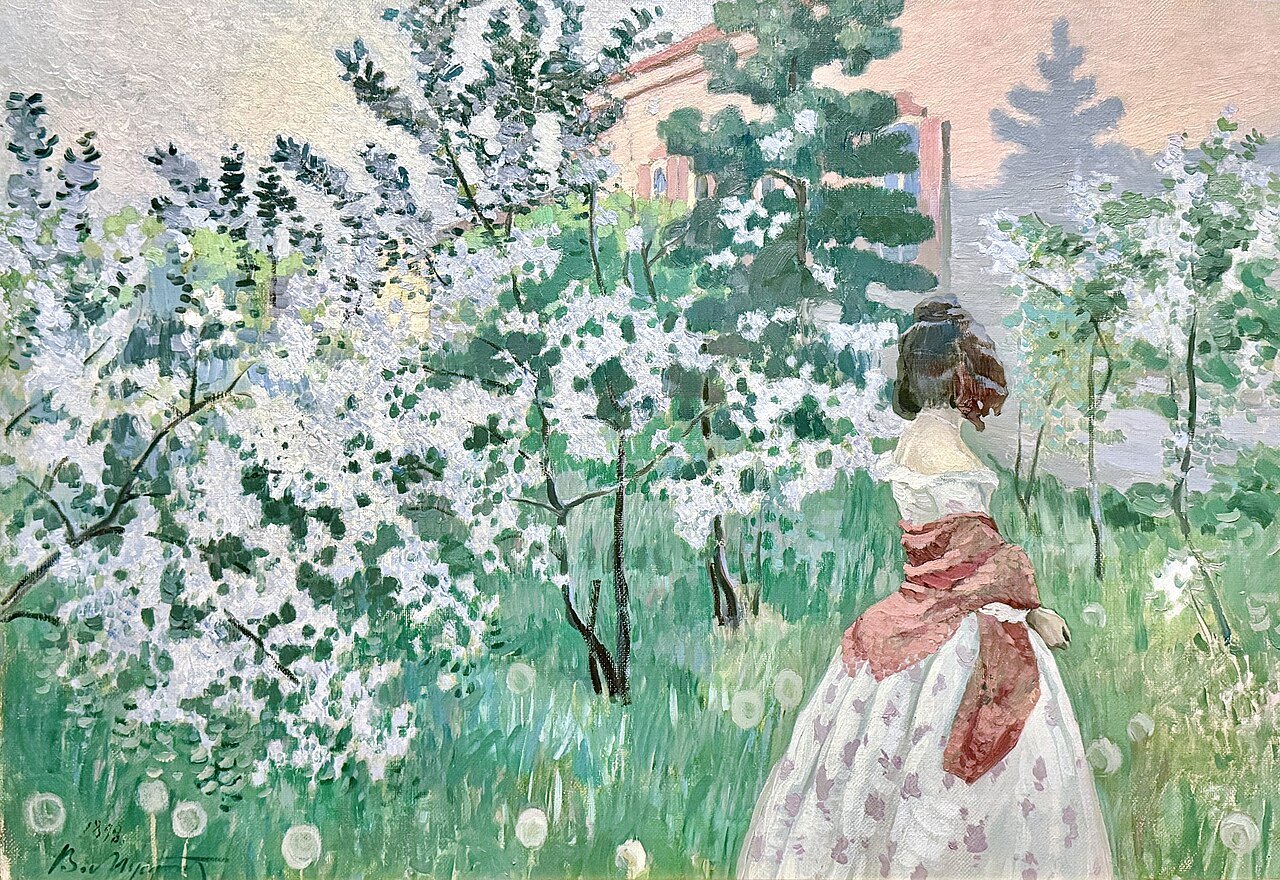
Over 140 works from twenty collections: The Pool, The Emerald Necklace and studies almost never shown. Russian Symbolism is one of the summits at which art lifts a person beyond himself; a retrospective this full comes once in a generation.
For the seventy-fifth year since the first Novgorod letter, found on 26 July 1951 in the Nerevsky dig. More than 1250 have been found since; among them the school exercises of the boy Onfim, with drawings that have no equal in medieval Europe. What the Vindolanda tablets are to Roman Britain, these are to medieval Rus — the writing of ordinary people, kept by wet ground. In the State Rooms, one month only.
A century of the country’s largest photographic service, which shot the news on the day it happened. Shown in two spaces of the Historical Museum: the Resurrection Gate and the Artillery Yard.
Over seven hundred objects: sculpture and painting of Russian Buddhism, almost none of it shown before. More than a hundred sculptures were conserved for the opening.
We count what is left today: from now — or from opening, if the museum has not opened yet — to the last admission. The closing hour is of no use for such a count: past the last admission nobody is let in. Where the last admission is not established we allow half an hour: erring towards «you will not make it» costs less than sending someone to a locked door.
One thing is asked here: whether a child will find it interesting inside. The ease of the way and of the rooms is a question of another kind, and it stands under “Access”. In the entry the step shows as a mark, and the age in the note beside it.
The accessibility of a museum and the accessibility of the way to it are different things, and we keep them apart. It happens that everything inside is arranged faultlessly while the door itself cannot be reached in a wheelchair; it happens the other way round too.
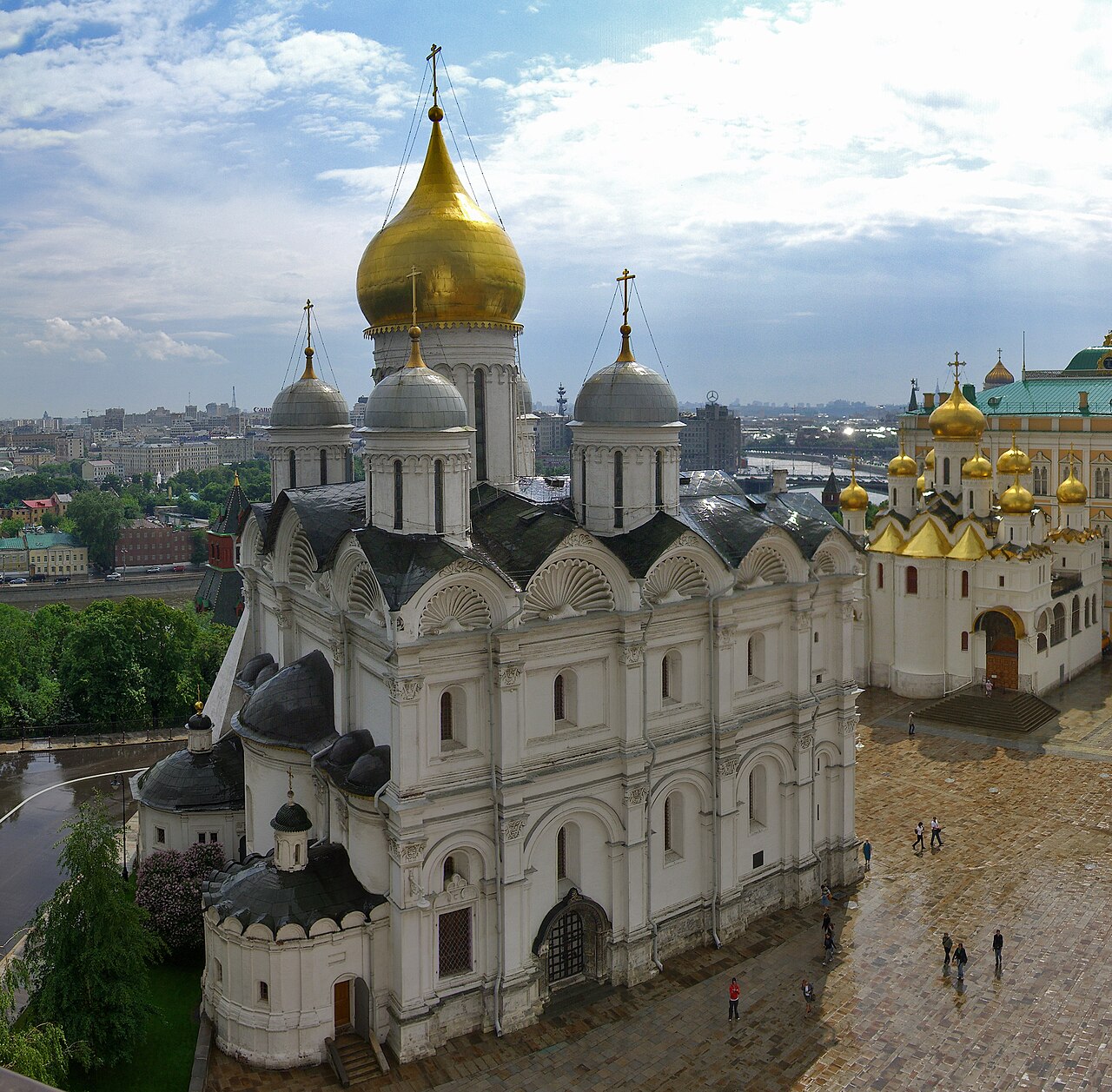
?The iconostasis of the Annunciation Cathedral is linked with the names of Theophanes the Greek, Andrei Rublev and Prokhor of Gorodets: the chronicle for 1405 names them as the painters of this church, though whether the present icons are that same work is still argued. Such a conjunction of names exists nowhere else. And the difference from any museum of icons is one of principle: the things stand where they stood, in the light and the space they were painted for — as the glass at Canterbury is one thing in the window and quite another in a case. What is not here is explanation: the cathedrals carry almost no labels and are meant for someone who already knows, or who came with a guide.
The deesis tier of the Annunciation Cathedral. The frescoes of the Dormition Cathedral, 1642–1644, and its iconostasis; there too the oldest icons, brought to Moscow as the lands were gathered in. The tombs of the Moscow princes and tsars in the Archangel Cathedral, painted 1652–1666. The Patriarch’s Palace: applied art and the household of the seventeenth century.
The Mosco it selfe is great: I take the whole towne to bee greater then London with the suburbes: but it is very rude, and standeth without all order. […] There is a faire Castle, the walles whereof are of bricke, and very high…
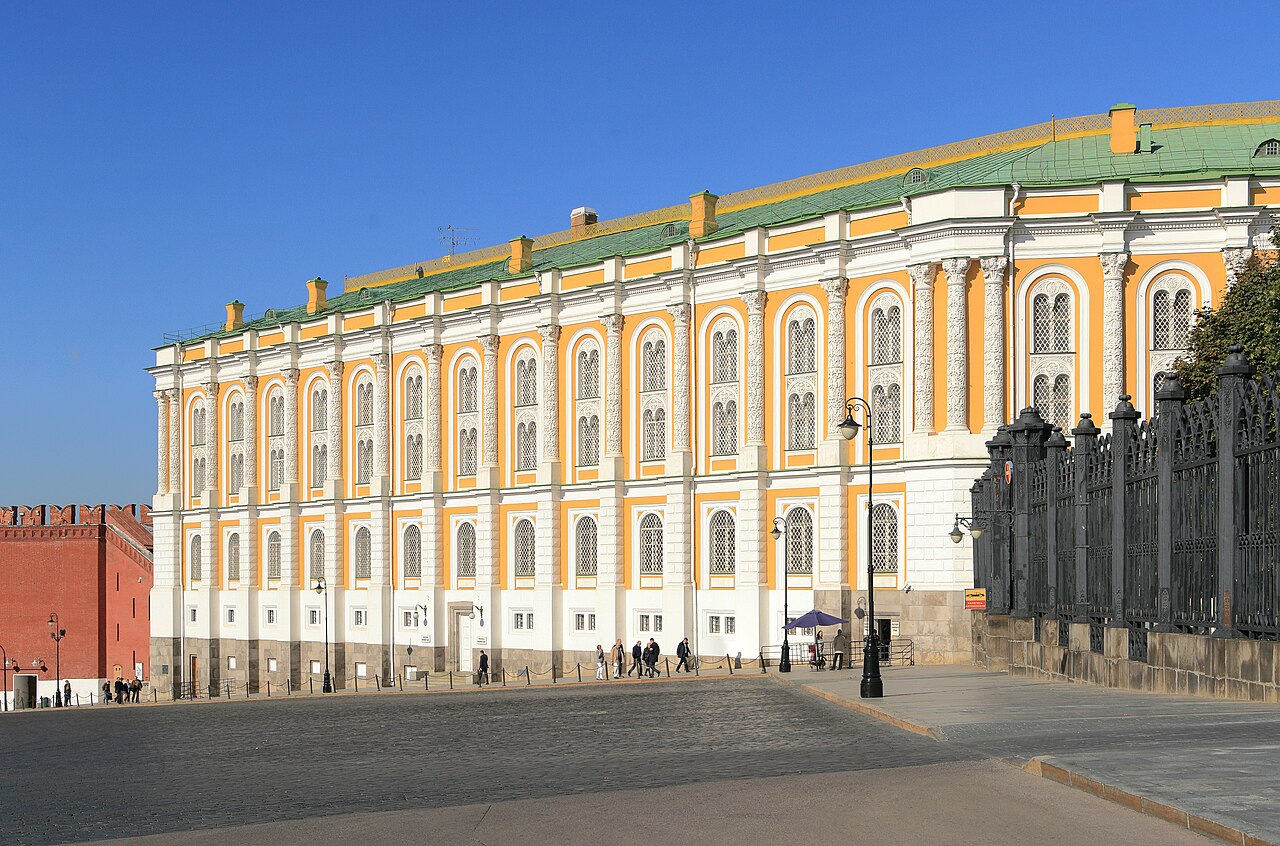
?A treasury formed by keeping rather than by collecting: things entered as the sovereign’s property or as an embassy gift, and so came through where in Europe they went to the crucible. English silver of the sixteenth and seventeenth centuries stands here more fully than in England itself — the royal plate at home was melted under the Commonwealth, while what had been sent to Moscow was never touched. Neither the Tower nor the Victoria and Albert can be as complete about that English century as this room in Moscow. There is no painting here at all: this is a chamber of objects.
The Cap of Monomakh and the double throne of the boy tsars Ivan and Peter. Tudor and Stuart silver, a holding with no equal anywhere. Fabergé Easter eggs. Icon covers, panagias and chalices of pre-Mongol Rus. The carriage rooms: coronation coaches of the eighteenth century.
The Moscow Kremlin (entrance through the Kutafya Tower) ·
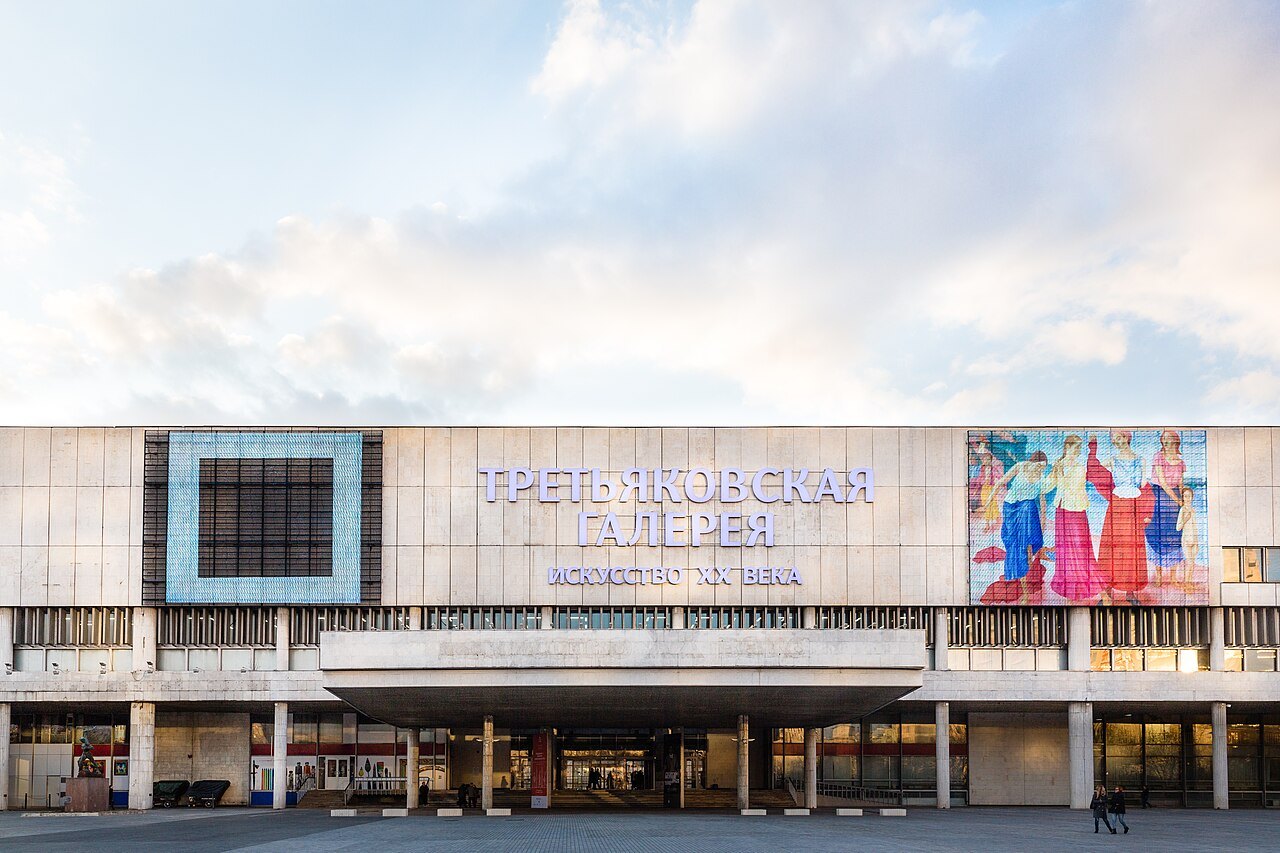
?The Russian avant-garde is the one Russian artistic system to enter the world canon on equal terms, and its largest collection is here. MoMA and the Pompidou show Malevich and Tatlin torn from their setting; here they hang beside what they rebelled against, which changes the reading.
Malevich’s Black Square, Petrov-Vodkin’s Bathing of a Red Horse, work by Kandinsky, Chagall, Goncharova and Larionov, the model of Tatlin’s Tower. Next door: the Muzeon park of dismantled Soviet monuments.
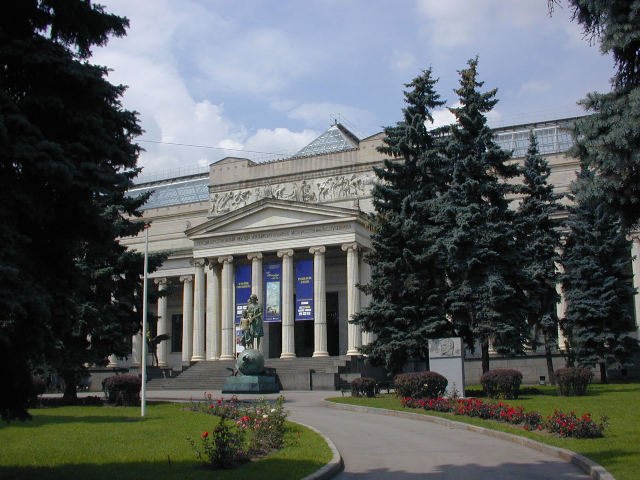
?The Louvre and the Metropolitan hold more originals; what is unique is Tsvetaev’s cast collection — the only large teaching museum of the history of art in the world still intact and still working as intended. In Europe such collections went into storage in the 20th century. Add the Fayum portraits and objects from Schliemann’s Trojan hoards.
The teaching collection of plaster casts after antique and Renaissance sculpture — Tsvetaev’s idea, unmatched for completeness; the Fayum portraits; objects from Priam’s Treasure found by Schliemann at Troy; the Egyptian collection. The French 19th–20th century is in the Gallery at Volkhonka 14, on a separate ticket.
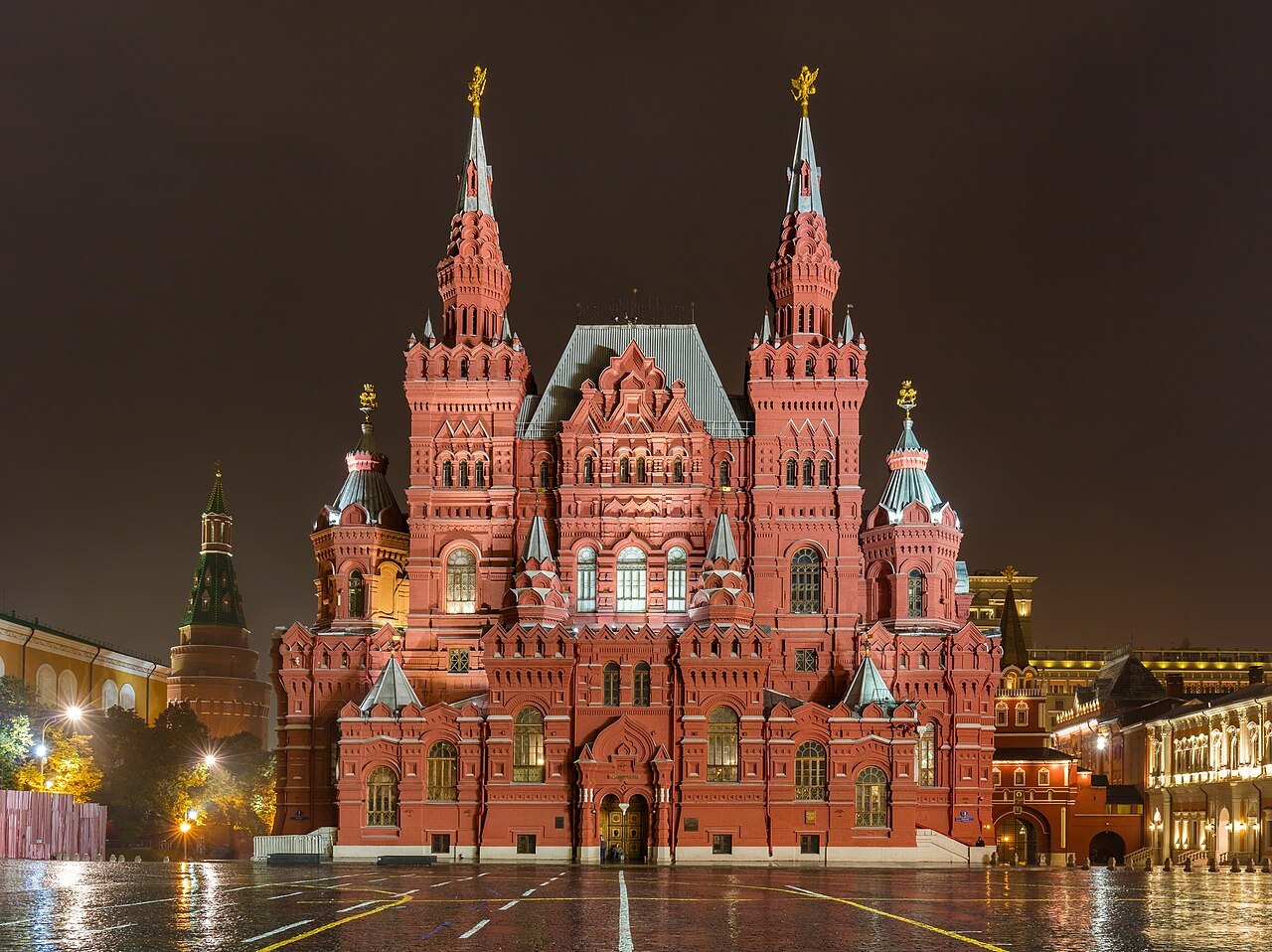
?A collection of material sources on Russian history unmatched for completeness: archaeology, numismatics, arms and manuscripts in one sequence, five million objects. And a rarity of another kind — Sherwood’s fully preserved Russian Revival interior, a monument in itself.
A dugout boat some 3,500 years old; the Mstislav Gospel of the early 12th century; the helmet of Prince Yaroslav Vsevolodovich; a Blaeu globe; personal belongings of Peter the Great. Look up: the halls themselves are painted after Old Russian models and count as an exhibit.
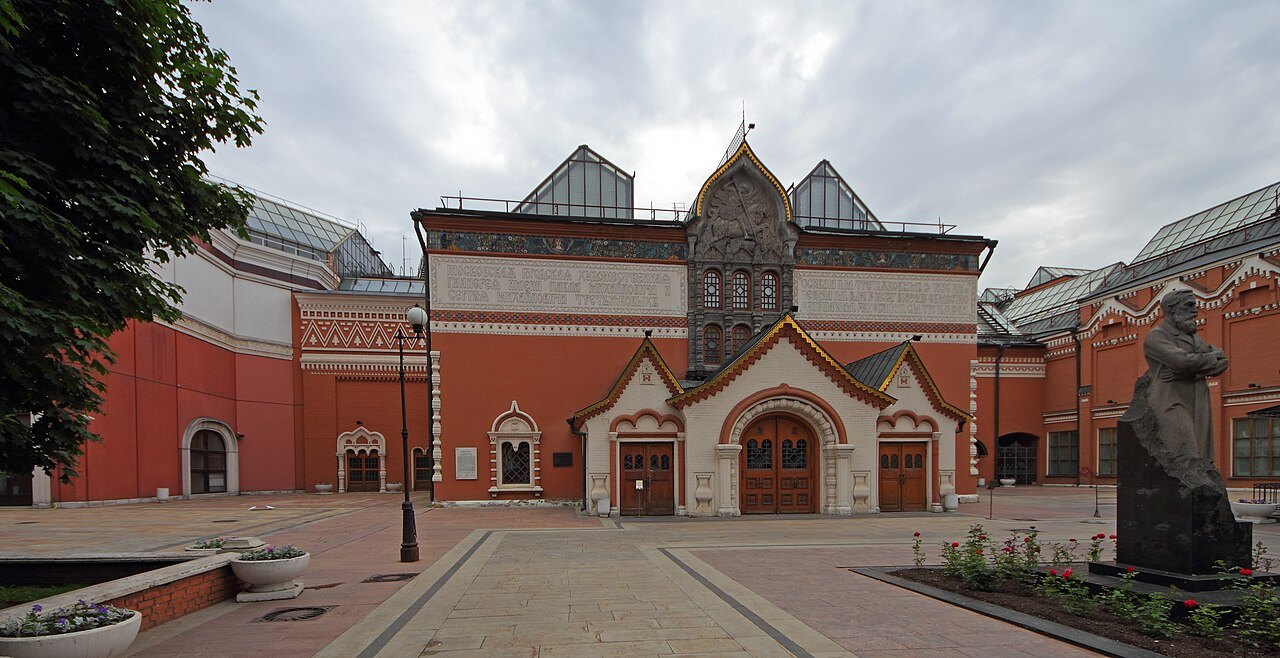
?Russian art of the 11th to early 20th century is nowhere else assembled so fully — only the Russian Museum compares. But the canon was formed here: Tretyakov bought from living artists what he himself thought mattered, and one man’s private judgement became what we now call the Russian school. Seeing the 19th century elsewhere means seeing fragments.
Ivanov’s The Appearance of Christ Before the People in its own hall; Surikov’s Boyarynya Morozova and Morning of the Streltsy Execution; Repin’s Ivan the Terrible and His Son; Serov’s Girl with Peaches; Vasnetsov’s Bogatyrs; the icon halls. Rublev’s Trinity is no longer here: it was handed to the Church in 2023.
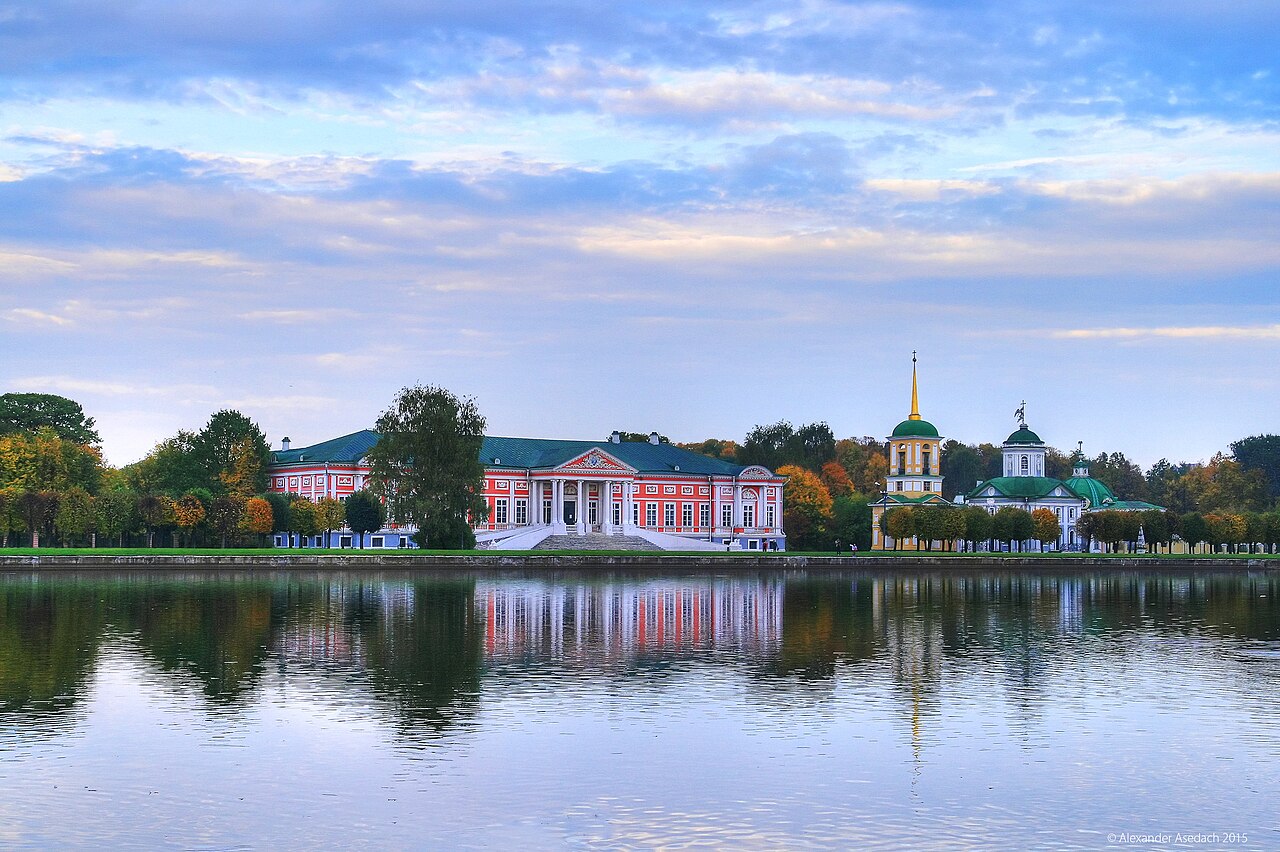
?The one Moscow estate to come down almost entire: wooden palace, pavilions, formal park and pond stand as the Sheremetevs meant them in the 1750s–1770s, with almost none of the nineteenth-century alteration. Neither Ostankino nor Tsaritsyno has kept so much. Anyone who knows Ham House by the Thames will recognise the case — a great house left alone rather than improved — and will find here what Ham has not: the whole French parterre, unbuilt over. Attached to the palace is the Museum of Ceramics, one of the largest holdings of porcelain and glass in the world, which arrived in the 1930s and has nothing to do with the estate. Two different museums within one fence, and both are worth entering, knowing that they are about different things.
The wooden palace of 1769–1775 with its interiors and inlaid parquet intact. The Grotto with its shell-work — a thing that exists nowhere else in Russia. The Dutch and Italian houses, the Hermitage, the orangery. A collection of porcelain from Meissen to Soviet agitprop.
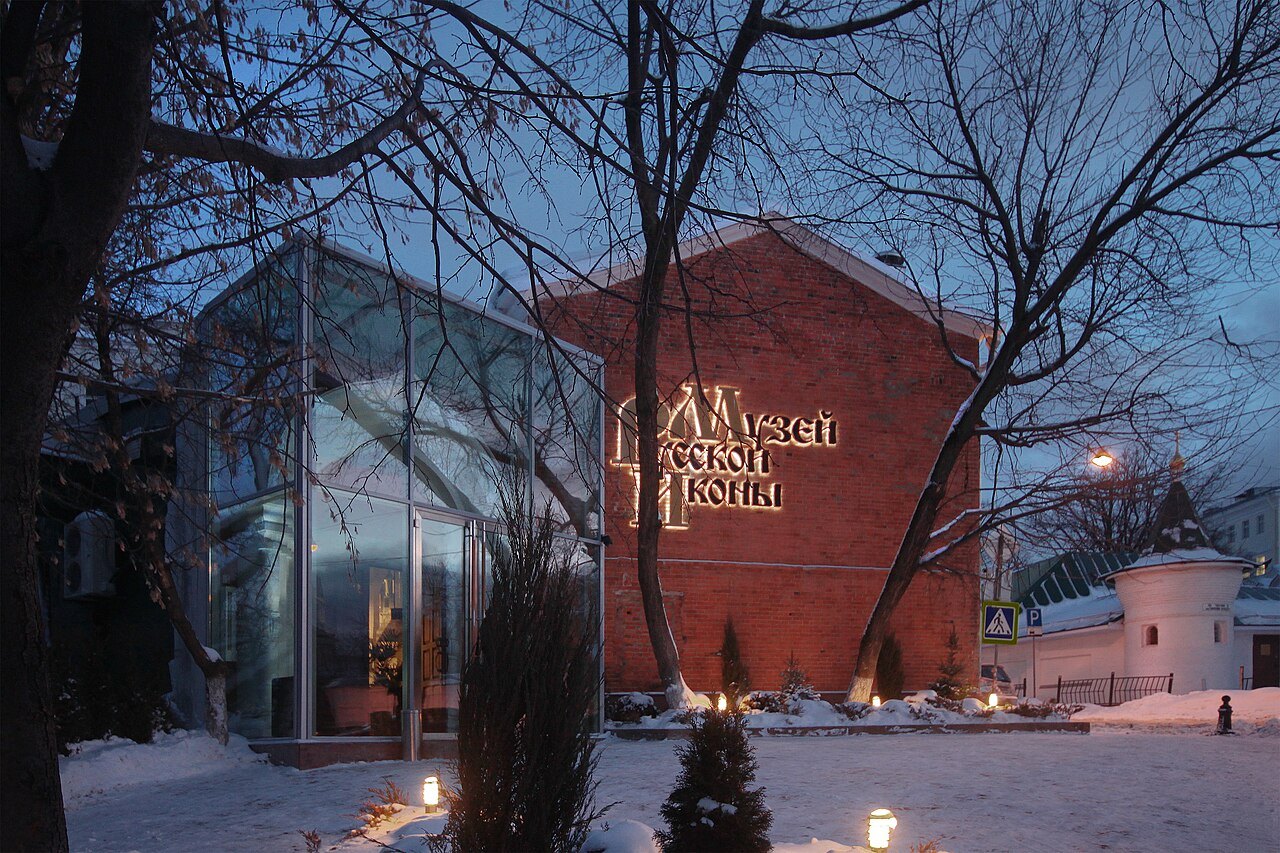
?For Ethiopian Christian art it is the only collection in Russia; for the Russian icon it competes with state museums. Add a circumstance almost unheard of anywhere in the world for a collection of this level: admission is free.
The Russian icon of the 14th to 20th century, from Novgorod panels to Old Believer painting; Ethiopian Christian art, the only such collection in Russia; a reconstructed iconostasis and post-Byzantine Greek icons.
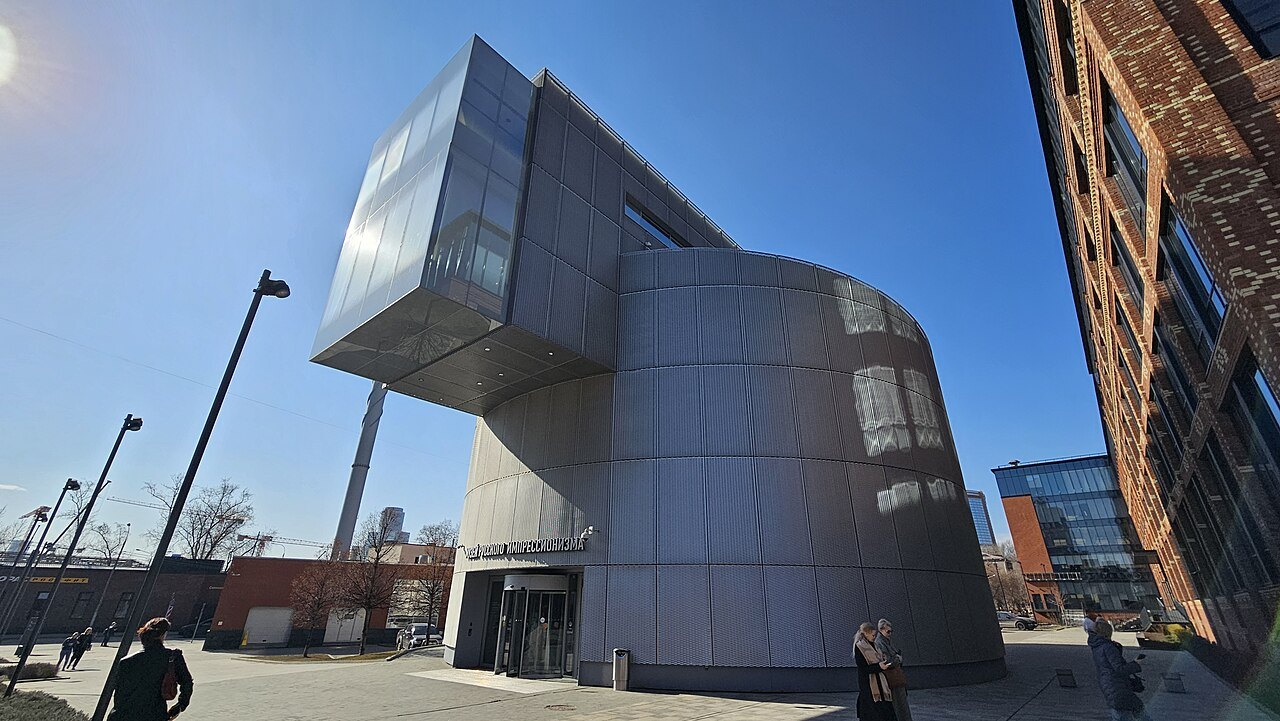
?The term “Russian impressionism” is contested, and this is the only institution that investigates rather than illustrates it. The value is the exhibition programme: works come here from private collections that would otherwise never be seen.
Konstantin Korovin, Valentin Serov, Igor Grabar, Nikolai Bogdanov-Belsky. The building is a converted cylindrical flour store of the Bolshevik factory — a rare case of industry turned into a museum.
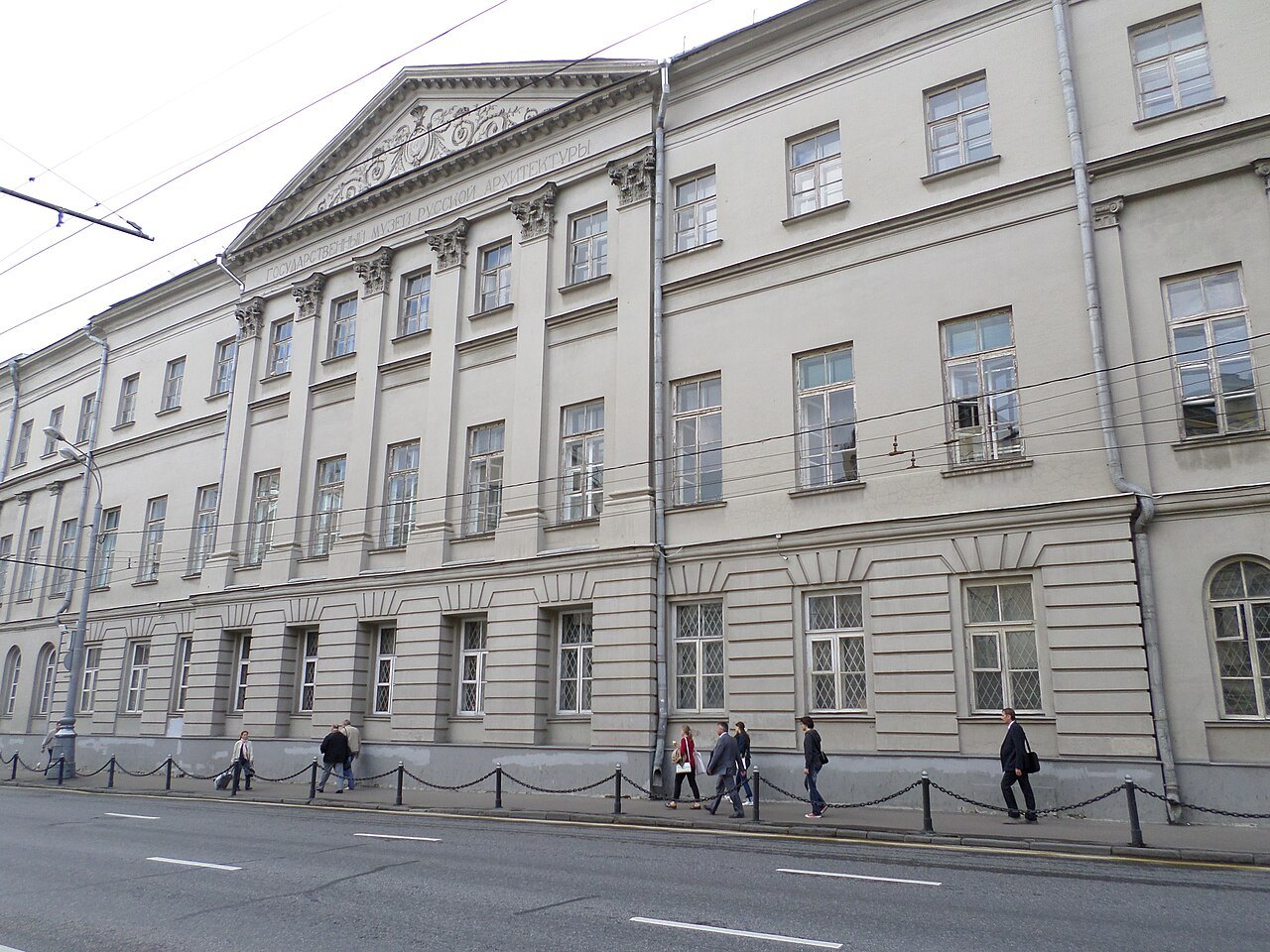
?The only museum of architecture in Russia and one of the few in the world. It holds fragments of demolished buildings — reliefs from the Cathedral of Christ the Saviour, details of the Sukharev Tower: things that exist nowhere else because the buildings do not.
The enfilade of the Talyzin house with its exhibitions; the Apothecary Office, 17th-century chambers where fragments of demolished Moscow buildings are shown; models of unbuilt projects, including material on the Palace of the Soviets.
The rating is ours and we answer for it. It speaks of the collection and of nothing else; the size of the building, the queue at the door and the loudness of a name leave the step untouched. It moves when the collection moves — when a work goes into store, when a bequest arrives, when half the rooms close.
world-class
In the same rank as the world's leading museums.
outstanding
A strong collection: worth setting aside a day for.
significant
There are things here worth seeing.
for enthusiasts
Of interest to those already drawn to the subject.
niche
Valuable to a narrow circle, without wider recognition.
A distinction apart
underrated
The collection is stronger than its reputation: fewer people know it than it deserves
one of a kind
The collection has no counterpart — not in the country, not anywhere
read first
Without reading beforehand the collection reads as ornament; with it, the whole thing opens
quiet here
No crowds: you can look at your own pace and on your own
How we keep this list
The entries were checked between 15 August and 18 August 2026. Each carries its own date, since the list is not written in a single day; the date stands in the entry itself, beside what it was checked against. A price we could not confirm is marked as unconfirmed; last year's does not stay in the entry.
Time needed is for the essentials, along our minimum route, without the café, the shop or the cloakroom queue. Going through the whole museum almost always takes longer.
The photographs come from Wikimedia Commons under free licences; the author and the licence are given under each one.
18 May is International Museum Day (since 1977), and the night of 17–18 May is Museum Night. On those days museums keep different hours and are often free.
Found a mistake?
We answer for every figure and date on these pages. If a museum has changed its hours or its prices, if a link has died, or if you think a museum is missing from the list — write to us. We will correct it and set a new date of checking.