Not “children’s” museums, but those where a child has something to look at and to understand. Each entry states the age from which this works: earlier than that, the visit ends in tiredness rather than in an impression.
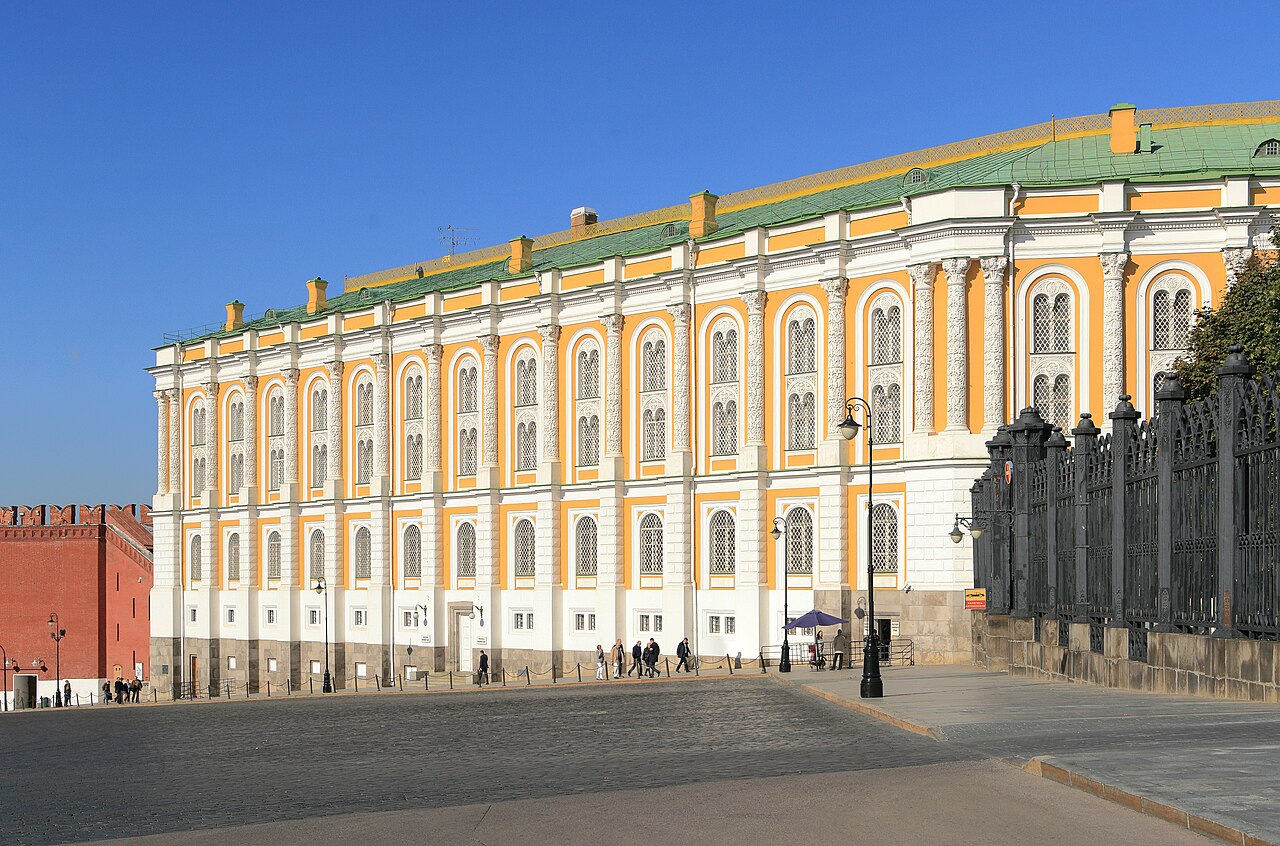
?A treasury formed by keeping rather than by collecting: things entered as the sovereign’s property or as an embassy gift, and so came through where in Europe they went to the crucible. English silver of the sixteenth and seventeenth centuries stands here more fully than in England itself — the royal plate at home was melted under the Commonwealth, while what had been sent to Moscow was never touched. Neither the Tower nor the Victoria and Albert can be as complete about that English century as this room in Moscow. There is no painting here at all: this is a chamber of objects.
The Cap of Monomakh and the double throne of the boy tsars Ivan and Peter. Tudor and Stuart silver, a holding with no equal anywhere. Fabergé Easter eggs. Icon covers, panagias and chalices of pre-Mongol Rus. The carriage rooms: coronation coaches of the eighteenth century.
The Moscow Kremlin (entrance through the Kutafya Tower) ·
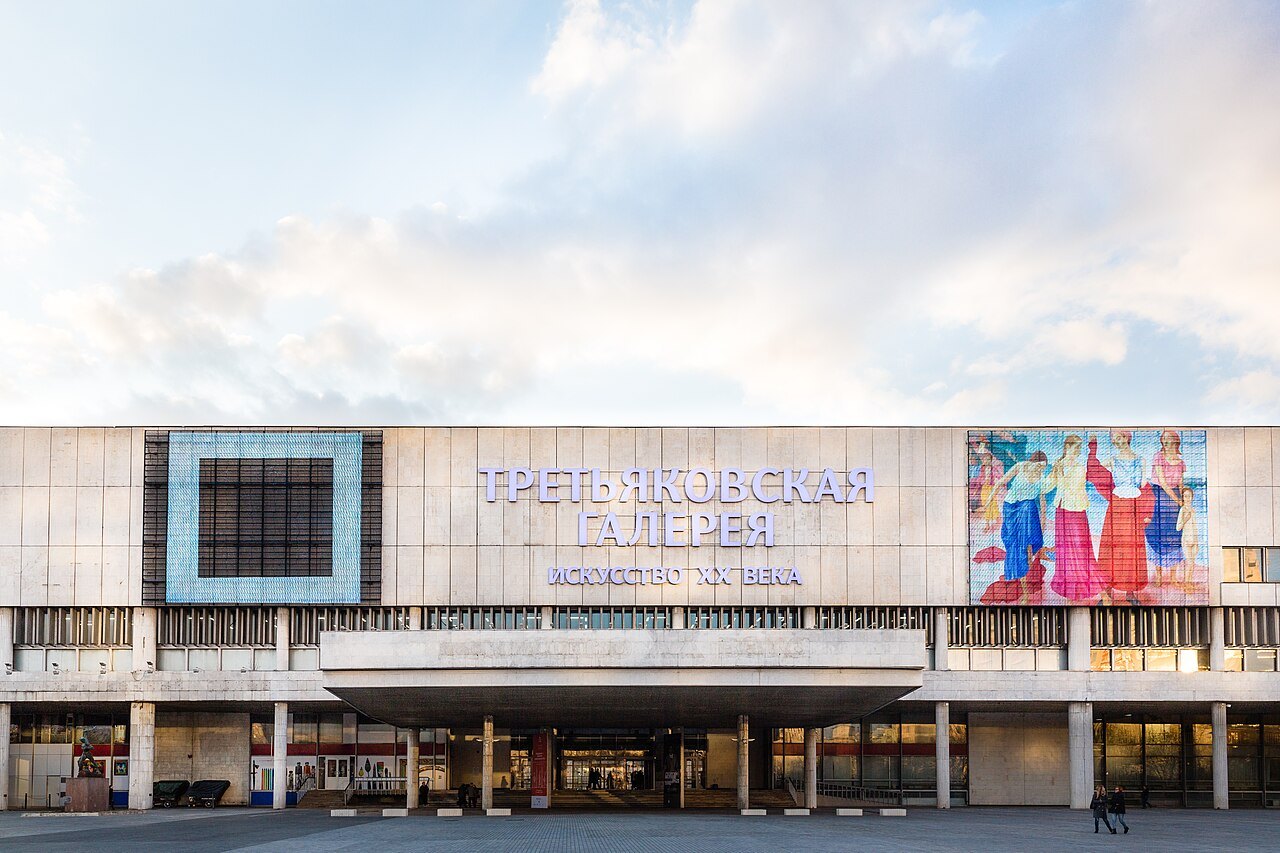
?The Russian avant-garde is the one Russian artistic system to enter the world canon on equal terms, and its largest collection is here. MoMA and the Pompidou show Malevich and Tatlin torn from their setting; here they hang beside what they rebelled against, which changes the reading.
Malevich’s Black Square, Petrov-Vodkin’s Bathing of a Red Horse, work by Kandinsky, Chagall, Goncharova and Larionov, the model of Tatlin’s Tower. Next door: the Muzeon park of dismantled Soviet monuments.
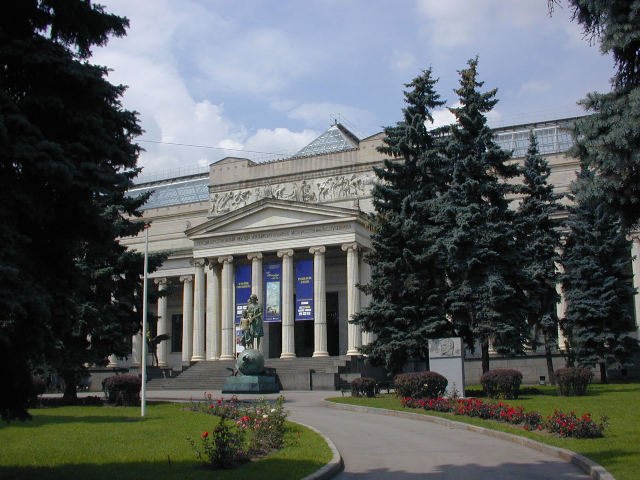
?The Louvre and the Metropolitan hold more originals; what is unique is Tsvetaev’s cast collection — the only large teaching museum of the history of art in the world still intact and still working as intended. In Europe such collections went into storage in the 20th century. Add the Fayum portraits and objects from Schliemann’s Trojan hoards.
The teaching collection of plaster casts after antique and Renaissance sculpture — Tsvetaev’s idea, unmatched for completeness; the Fayum portraits; objects from Priam’s Treasure found by Schliemann at Troy; the Egyptian collection. The French 19th–20th century is in the Gallery at Volkhonka 14, on a separate ticket.
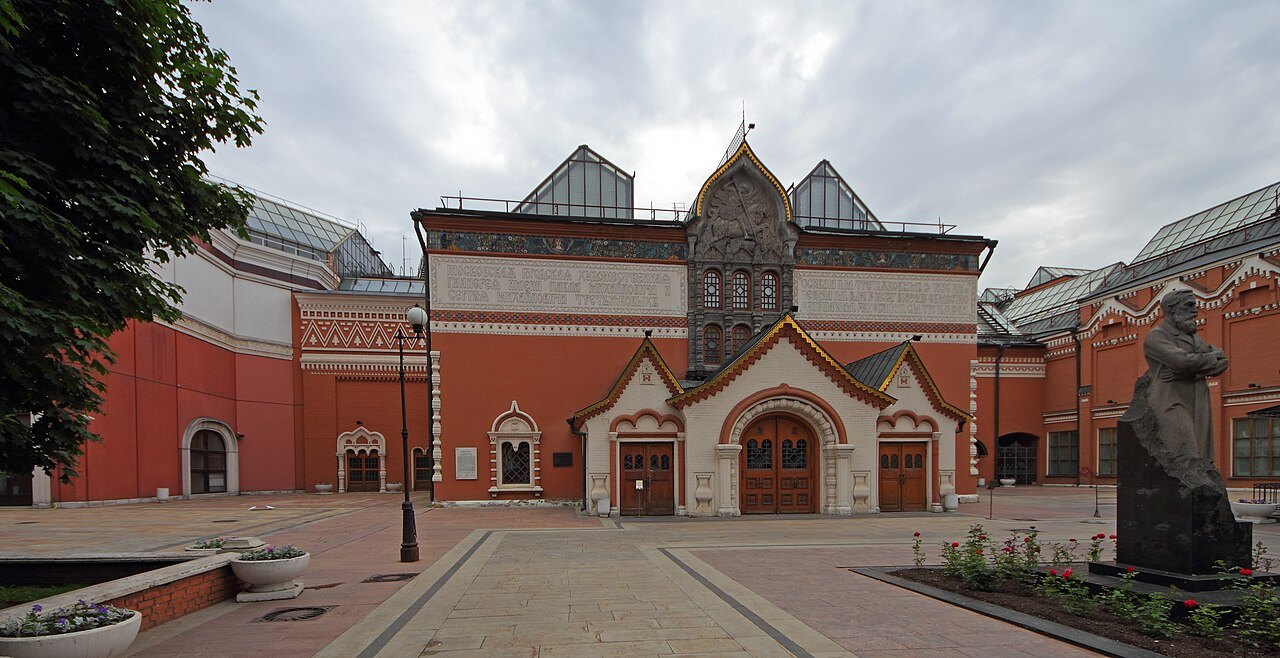
?Russian art of the 11th to early 20th century is nowhere else assembled so fully — only the Russian Museum compares. But the canon was formed here: Tretyakov bought from living artists what he himself thought mattered, and one man’s private judgement became what we now call the Russian school. Seeing the 19th century elsewhere means seeing fragments.
Ivanov’s The Appearance of Christ Before the People in its own hall; Surikov’s Boyarynya Morozova and Morning of the Streltsy Execution; Repin’s Ivan the Terrible and His Son; Serov’s Girl with Peaches; Vasnetsov’s Bogatyrs; the icon halls. Rublev’s Trinity is no longer here: it was handed to the Church in 2023.
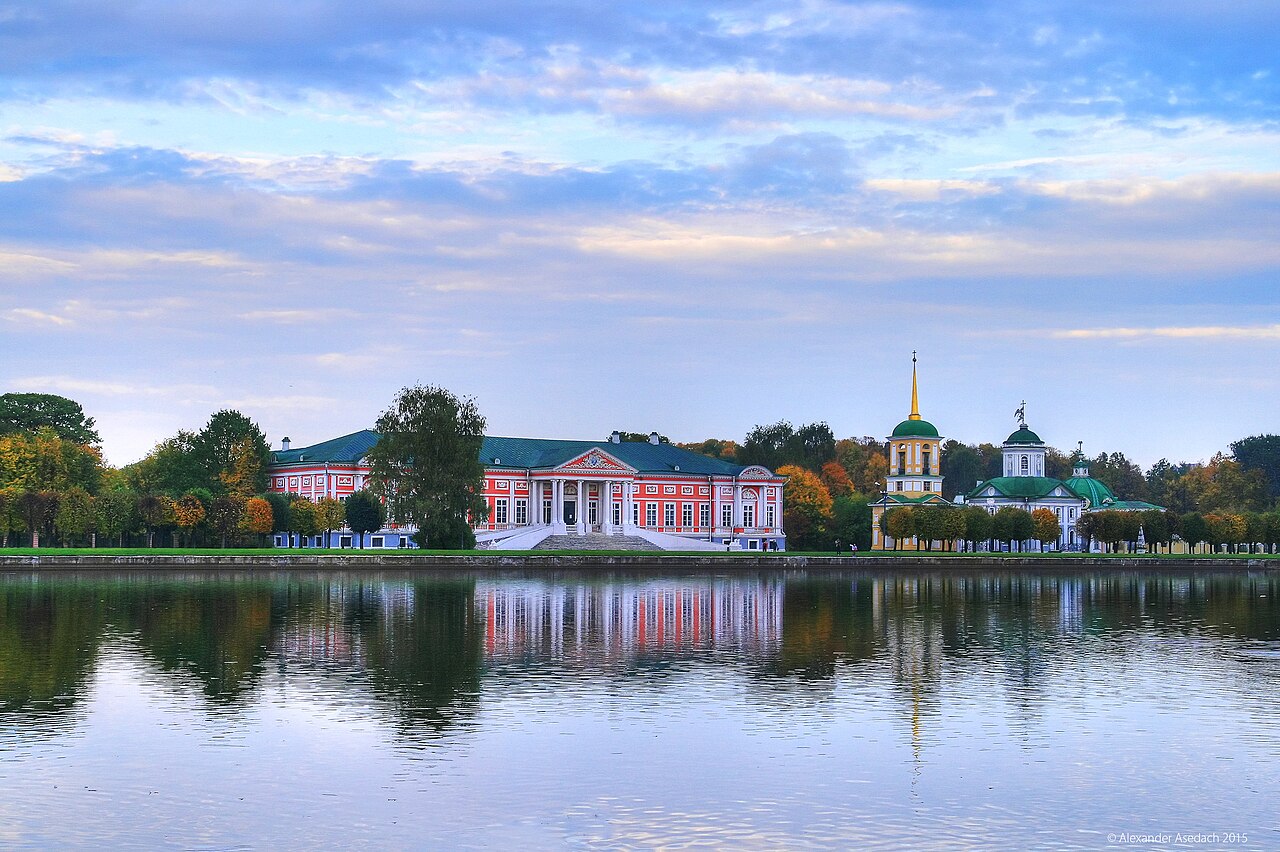
?The one Moscow estate to come down almost entire: wooden palace, pavilions, formal park and pond stand as the Sheremetevs meant them in the 1750s–1770s, with almost none of the nineteenth-century alteration. Neither Ostankino nor Tsaritsyno has kept so much. Anyone who knows Ham House by the Thames will recognise the case — a great house left alone rather than improved — and will find here what Ham has not: the whole French parterre, unbuilt over. Attached to the palace is the Museum of Ceramics, one of the largest holdings of porcelain and glass in the world, which arrived in the 1930s and has nothing to do with the estate. Two different museums within one fence, and both are worth entering, knowing that they are about different things.
The wooden palace of 1769–1775 with its interiors and inlaid parquet intact. The Grotto with its shell-work — a thing that exists nowhere else in Russia. The Dutch and Italian houses, the Hermitage, the orangery. A collection of porcelain from Meissen to Soviet agitprop.
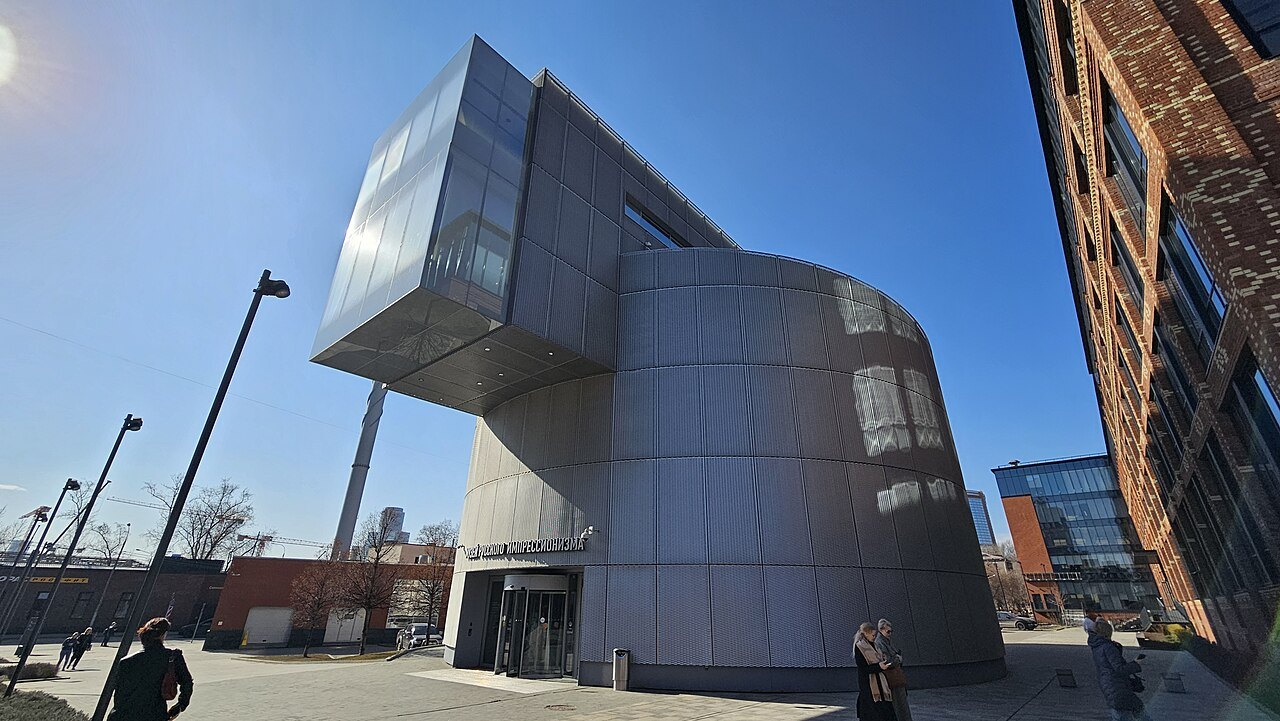
?The term “Russian impressionism” is contested, and this is the only institution that investigates rather than illustrates it. The value is the exhibition programme: works come here from private collections that would otherwise never be seen.
Konstantin Korovin, Valentin Serov, Igor Grabar, Nikolai Bogdanov-Belsky. The building is a converted cylindrical flour store of the Bolshevik factory — a rare case of industry turned into a museum.
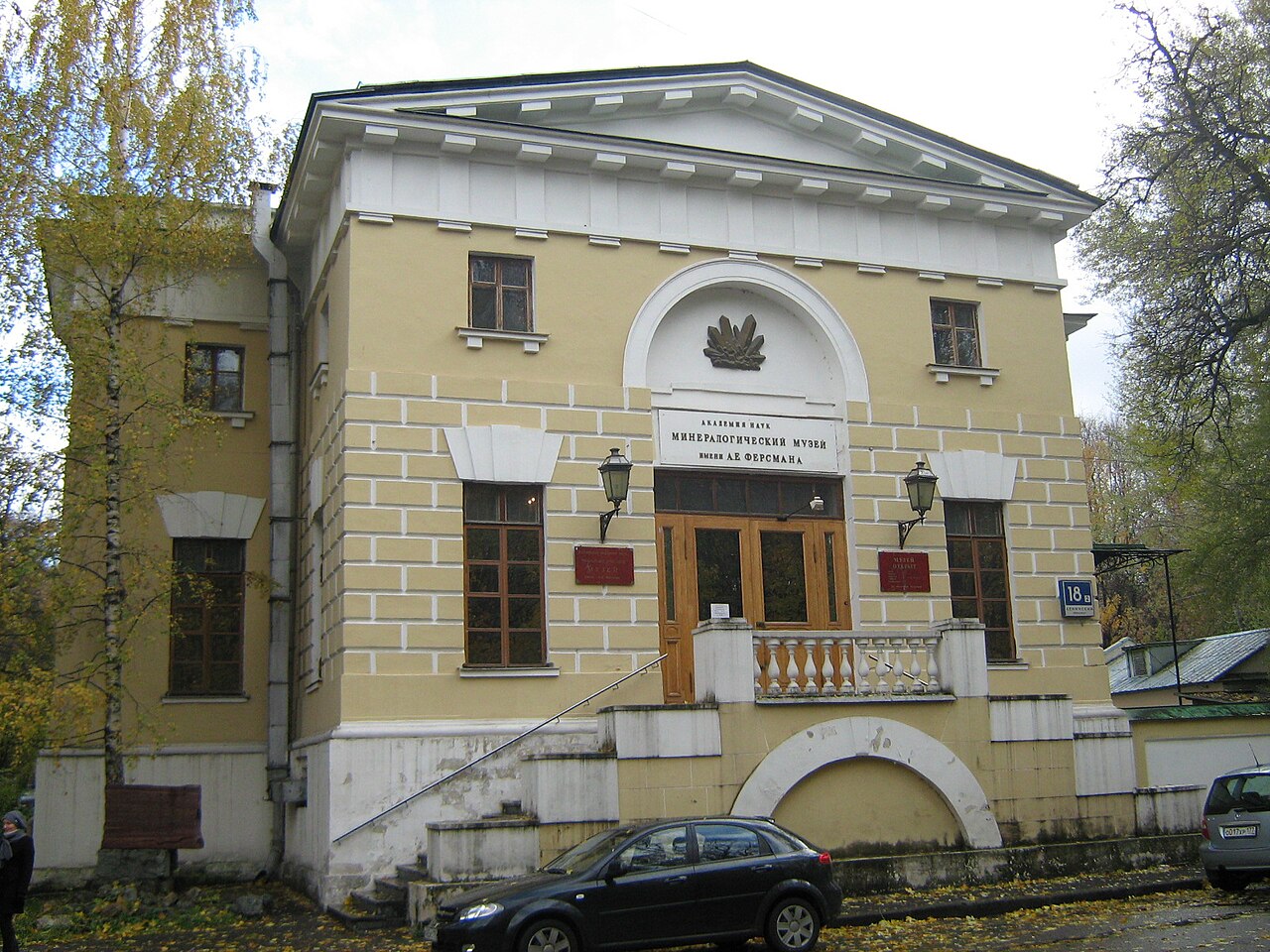
?A collection more than three hundred years old: it grew out of the mineral cabinet of Peter’s Kunstkamera and moved to Moscow with the Academy of Sciences. Some hundred and forty thousand specimens make it one of the largest mineralogical museums in the world, and for the systematics of stone it has no equal in Russia. The Vault at South Kensington shows a few dozen chosen stones magnificently; the point here is the opposite — the whole class, in order, with the ordinary specimen beside the extraordinary one, which is what a systematic collection is for. Come knowing that this is a scientific museum and not an entertaining one: cases, labels, no screens. Anyone who wants the telling needs a guided tour, and it must be booked ahead.
The systematic collection — the whole known mineral world by class. Ural malachite and rhodonite from the old crown holdings. Meteorites. Hardstone work by Fabergé and the Peterhof lapidary works. Large specimens of a size only museums of this age possess.
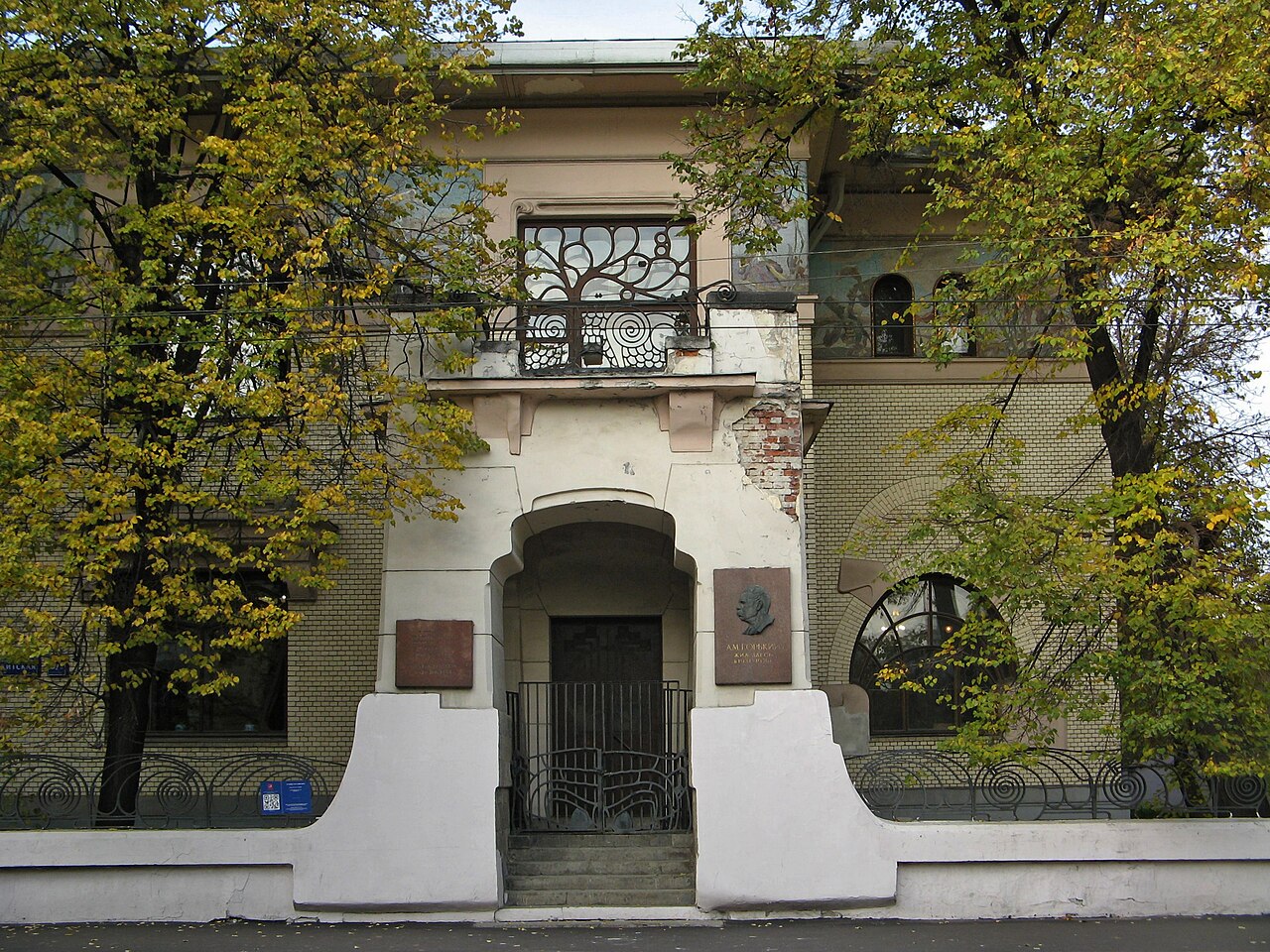
?The best surviving interior of Moscow Art Nouveau: Shekhtel built the mansion in 1900–1903 and thought it out down to the door handle, and the wave staircase with its jellyfish lamp is the thing for which one comes here instead of any museum of decorative art. What Horta did at the Hôtel Tassel and Mackintosh at the Glasgow School of Art — one hand over the whole building, from plan to fittings — Shekhtel did here, and here it survives with the fittings in place. Upstairs is hidden an Old Believers’ chapel that could not be shown openly, and it has come through. The memorial part — Gorky lived here from 1931 — is markedly weaker than the architecture, and that should be known in advance: one comes for Shekhtel, not for Gorky.
The wave staircase with its jellyfish light. Stained glass and the mosaic frieze of orchids along the façade. The Old Believers’ chapel on the top floor. Gorky’s study and library.
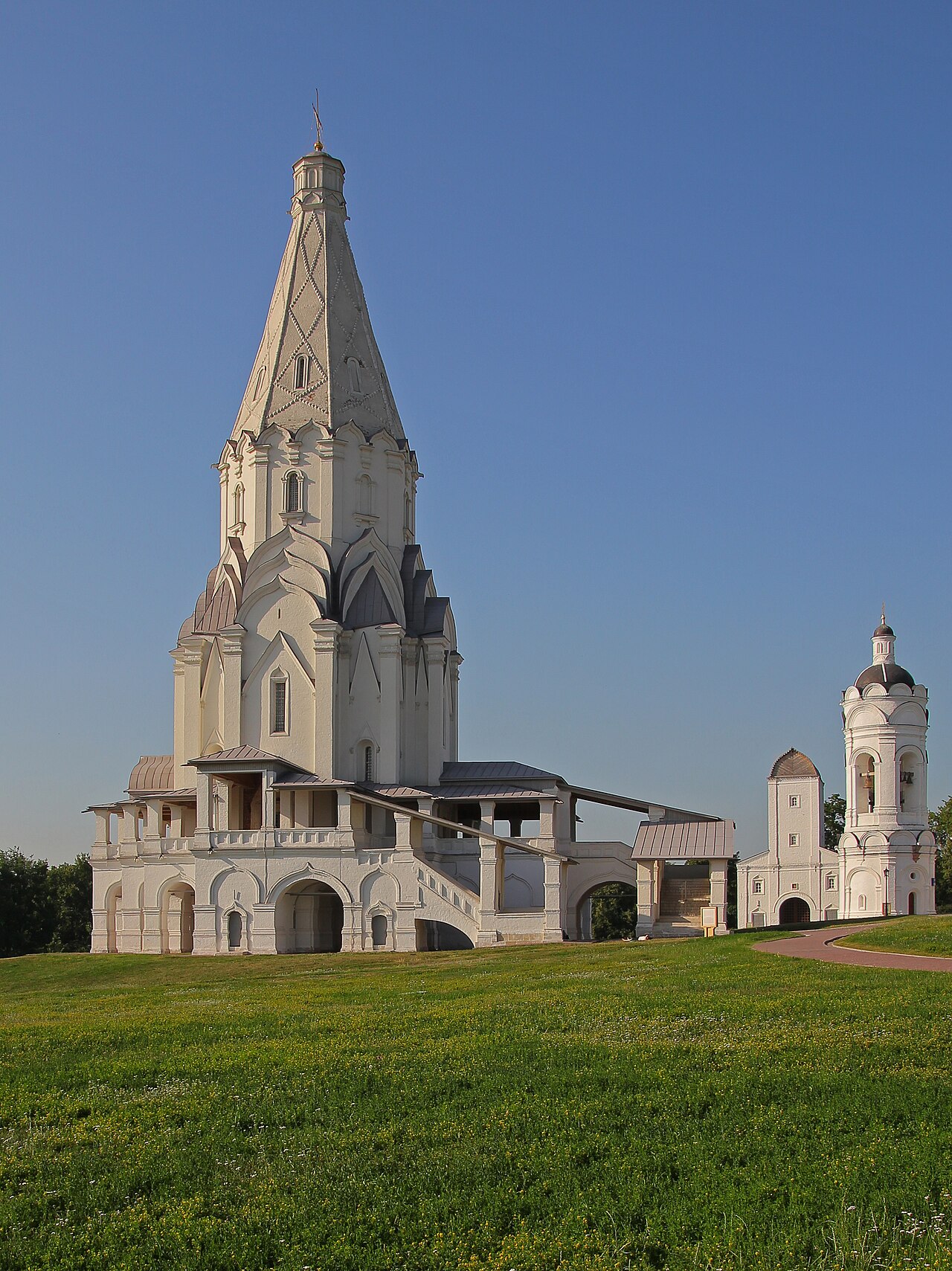
?The Church of the Ascension of 1532 is the first stone tented church in Russia and the only building in Moscow on the World Heritage list. The tent here is structure and not ornament, and sixteenth-century Russian architecture cannot be understood without having stood under it. The rest is a museum reserve with a middling collection: icons, tiles, manuscripts, wooden buildings brought from the North. And one warning: the palace of Alexei Mikhailovich shown in every photograph is a 2010 replica put up elsewhere in the park; it should not be confused with the real Kolomenskoye.
The Church of the Ascension, 1532. The Church of the Beheading of St John the Baptist at Dyakovo, sixteenth century, usually empty. The Front Gate with its display. Peter the Great’s cabin, brought from Arkhangelsk. Tiles and icons in the reserve’s exhibitions.
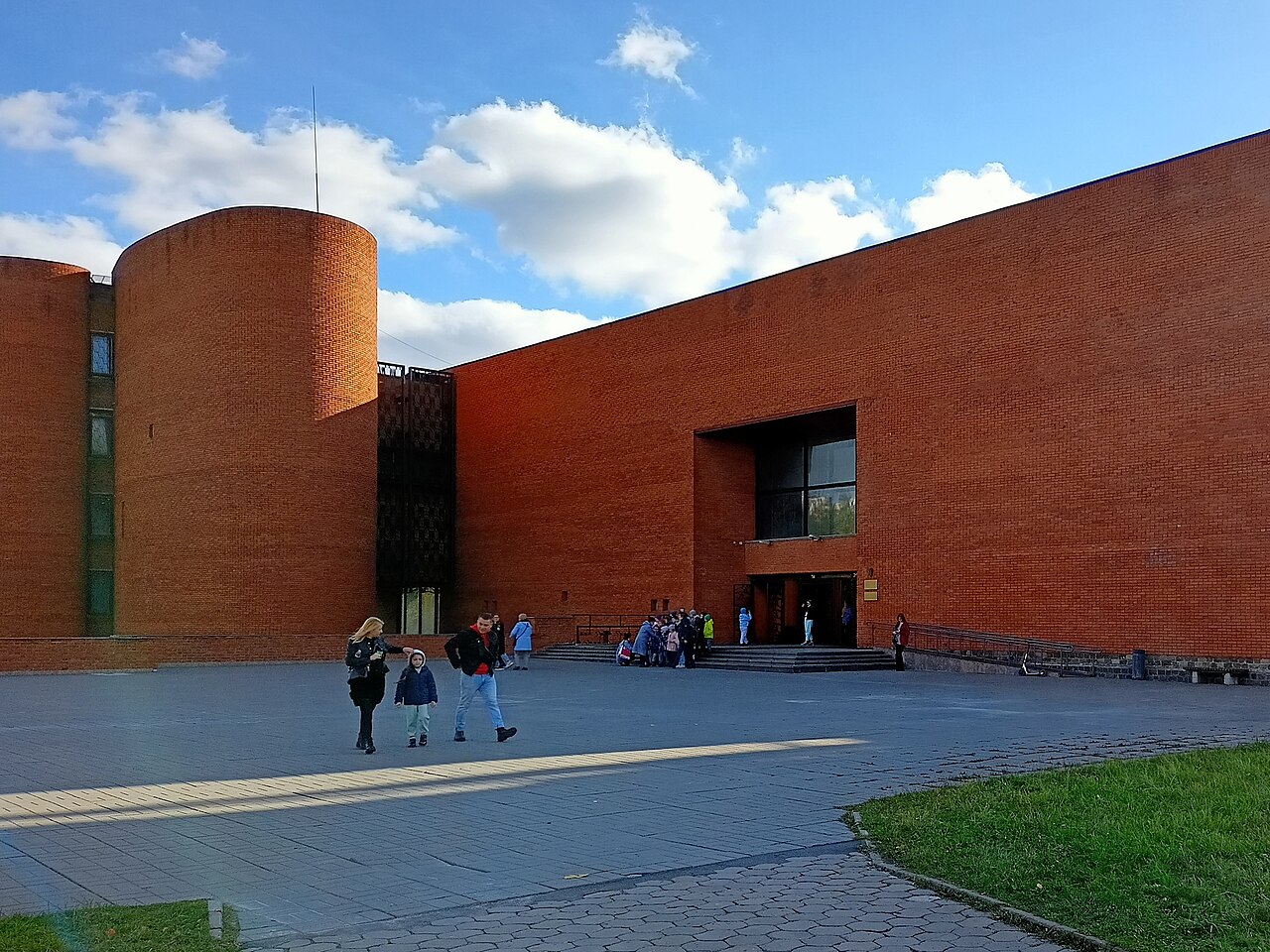
?The largest palaeontological collection in the country and one of the largest anywhere, and its chief part was dug by its own people: the dinosaur skeletons were brought from the Gobi by the Soviet-Mongolian expeditions of the 1940s and 1970s. Roy Chapman Andrews found the Flaming Cliffs for New York in the 1920s and had to leave; the field was worked out afterwards from this side, and the results stayed here. Neither South Kensington nor the American Museum has Mongolian material of this weight — they have their own digs and their own regions. The 1987 building was raised for this collection and is a monument in itself. What is not here is the fairground: this is a museum of bones, and a dinosaur is evidence rather than an attraction.
Skeletons of Tarbosaurus and Saurolophus from the Gobi. A mammoth from the Arctic coast. Panels and reliefs made for the museum by animal painters — a rare case in which the fitting-out of a museum is itself a work. The Precambrian and Palaeozoic halls, which popular museums usually do not have at all.
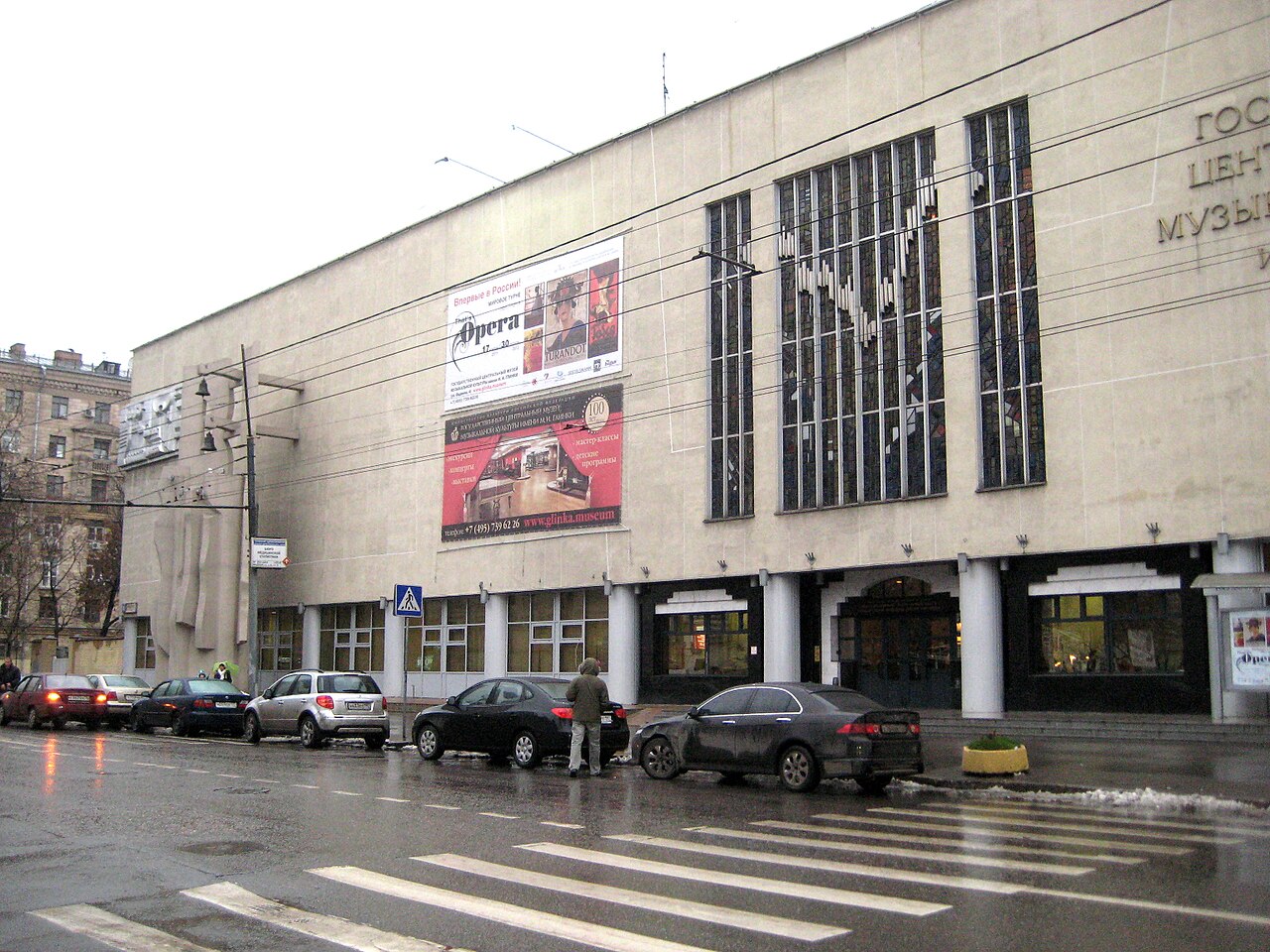
?One of the largest collections of musical instruments in the world and the only place in Russia where the instrument is shown as an object of history. One can go from horn and gusli to Murzin’s synthesiser, named with Scriabin’s initials — the machine on which the music for Solaris was written. Here too is kept the State Collection of unique instruments: Stradivari, Guarneri, Amati. The Horniman shows the instrument as ethnography and the Royal College of Music shows it as performance history; here both lines run in one room, and the electronic one continues them. One thing must be known: the collection is a working one, instruments are lent to musicians, and they are not always to be found in the case.
Instruments of the peoples of the world, from Russian gusli to the Japanese koto. The ANS synthesiser of Yevgeny Murzin, named with Scriabin’s initials. Autographs and manuscripts of Russian composers. The State Collection of stringed instruments, when it is in the museum.
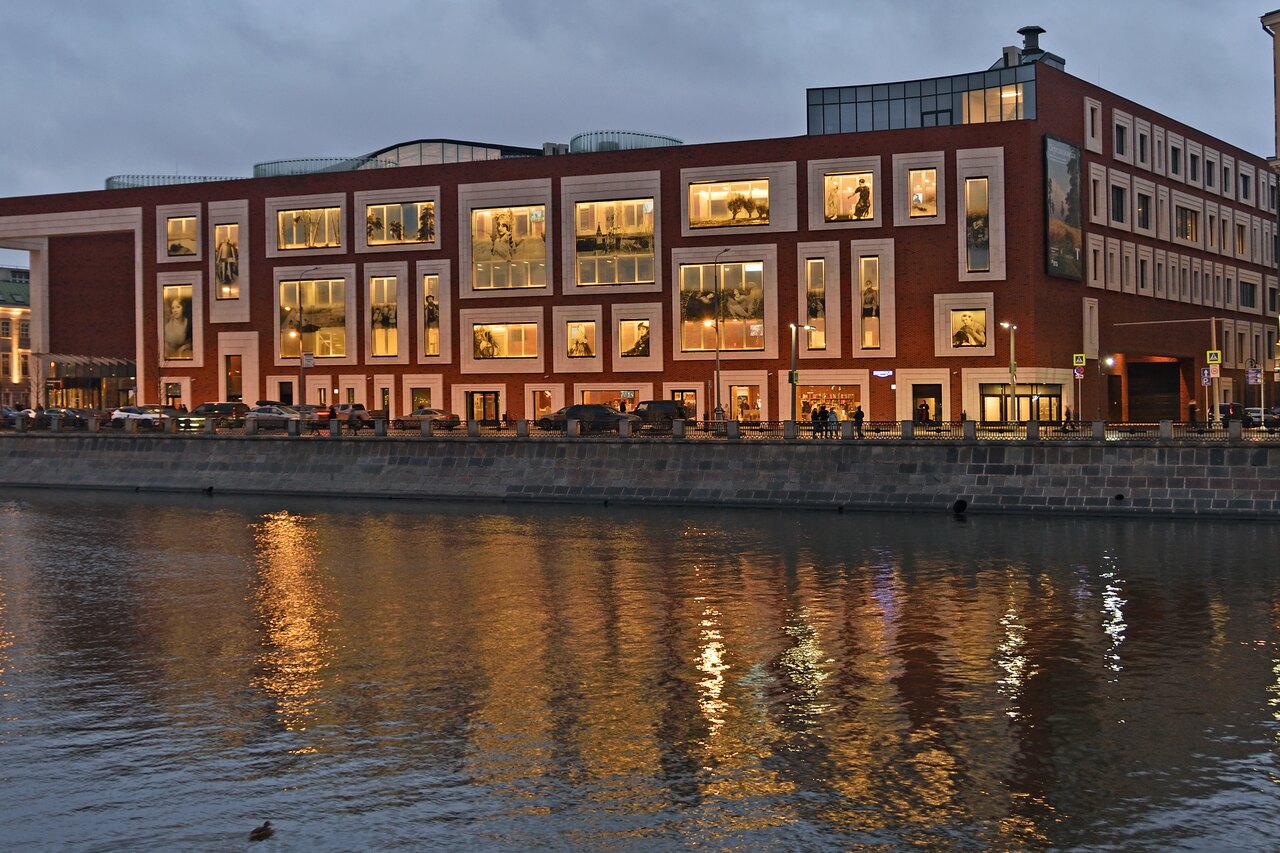
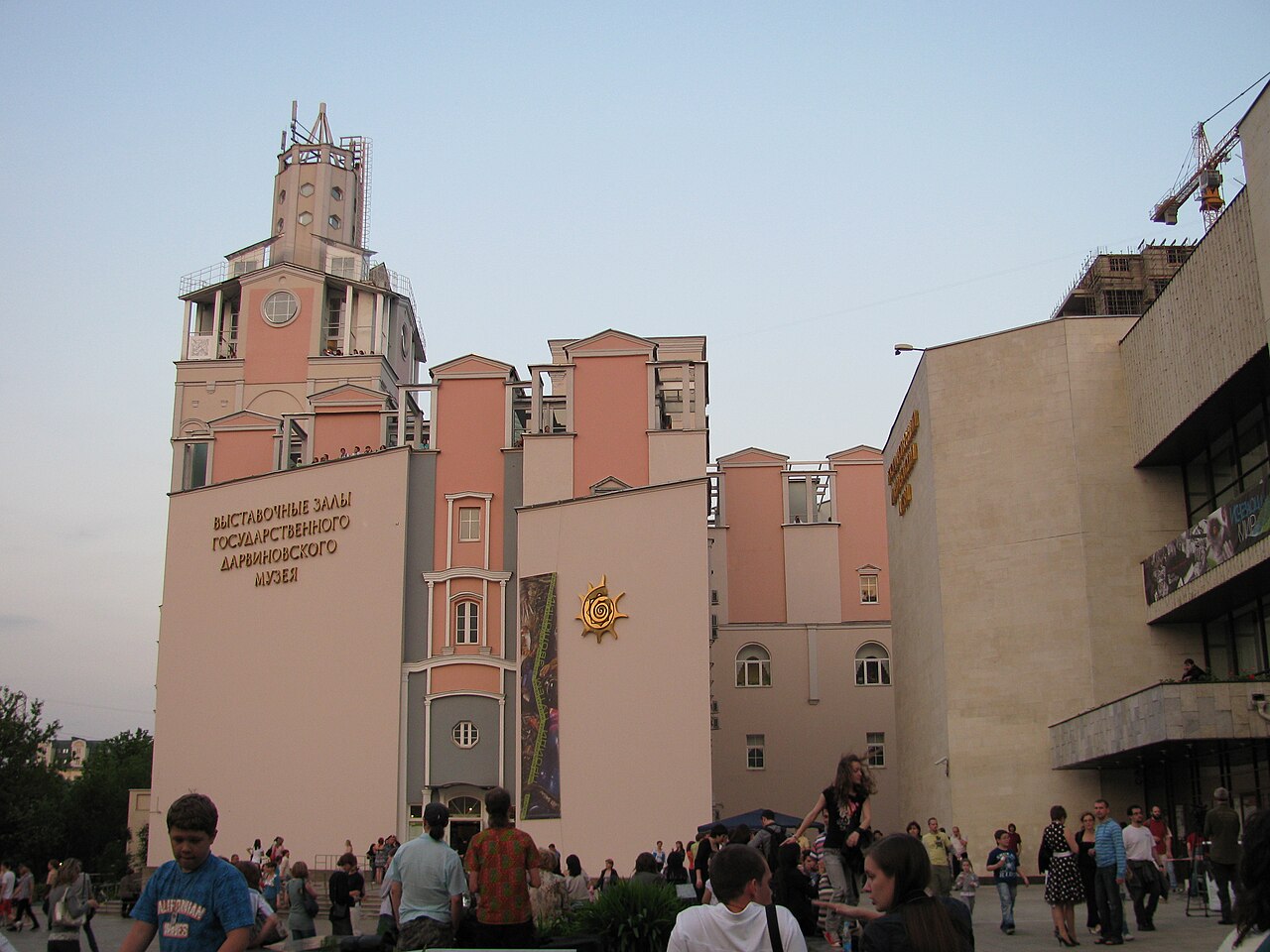
?Not yet a collection but an instrument: the first exhibition building in Moscow built to 21st-century museum standards — climate, light, spans. Its value is that things can now be brought here that could not be brought before.
There is no permanent collection — this is an exhibition wing. See the atrium, open without a ticket, and the façades: they carry reproductions of 34 works by Russian artists.
?Lacquer miniature of four schools and propaganda porcelain — the objects by which Russia is recognisable in world decorative art. The material is first-rate; the display is not up to it.
Lacquer miniature — Palekh, Fedoskino, Mstyora, Kholuy; Soviet propaganda porcelain; toys of the peoples of the world; embroidery and samovars.
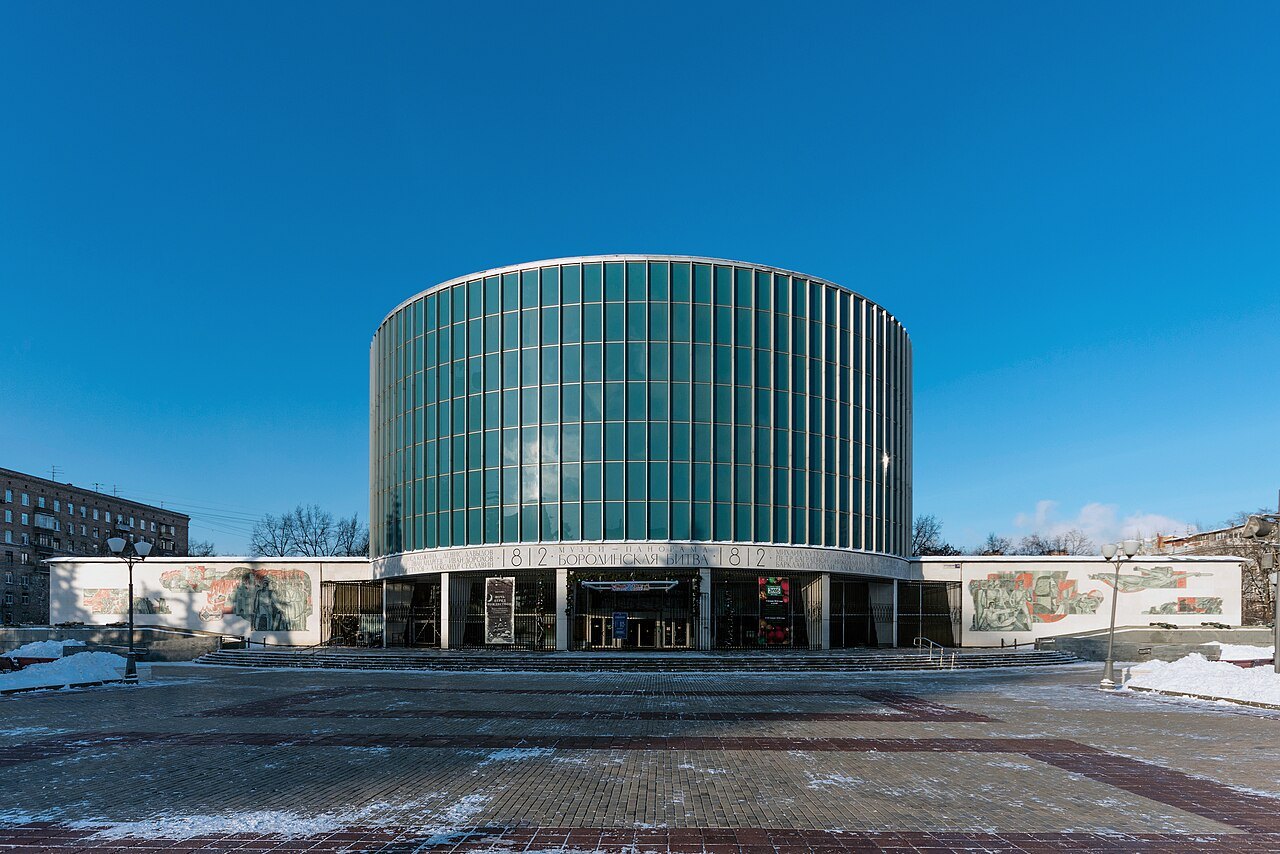
?Roubaud’s panorama is one of the few survivors of a genre that was the summit of 19th-century visual culture and has almost entirely vanished. The value lies in the machinery of the spectacle, not in the subject: this is how people looked before cinema.
Franz Roubaud’s Borodino panorama of 1912: 115 metres of canvas in the round, 15 metres high. Next door, the Kutuzov hut where on 1 September 1812 the council of war decided to abandon Moscow.
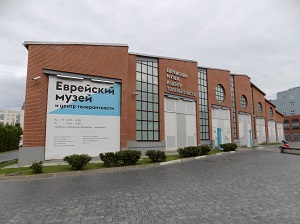
?Come for two things at once: the Bakhmetevsky garage by Melnikov and Shukhov, a building of world significance, and the history of Russian Jewry told from inside as nowhere else. The holdings of originals are modest, and that is worth knowing beforehand.
The building itself — the Bakhmetevsky garage of 1926–1927, one of Konstantin Melnikov’s principal works with steel structures by Vladimir Shukhov; the Café on Basseynaya, a reconstruction of shtetl life.
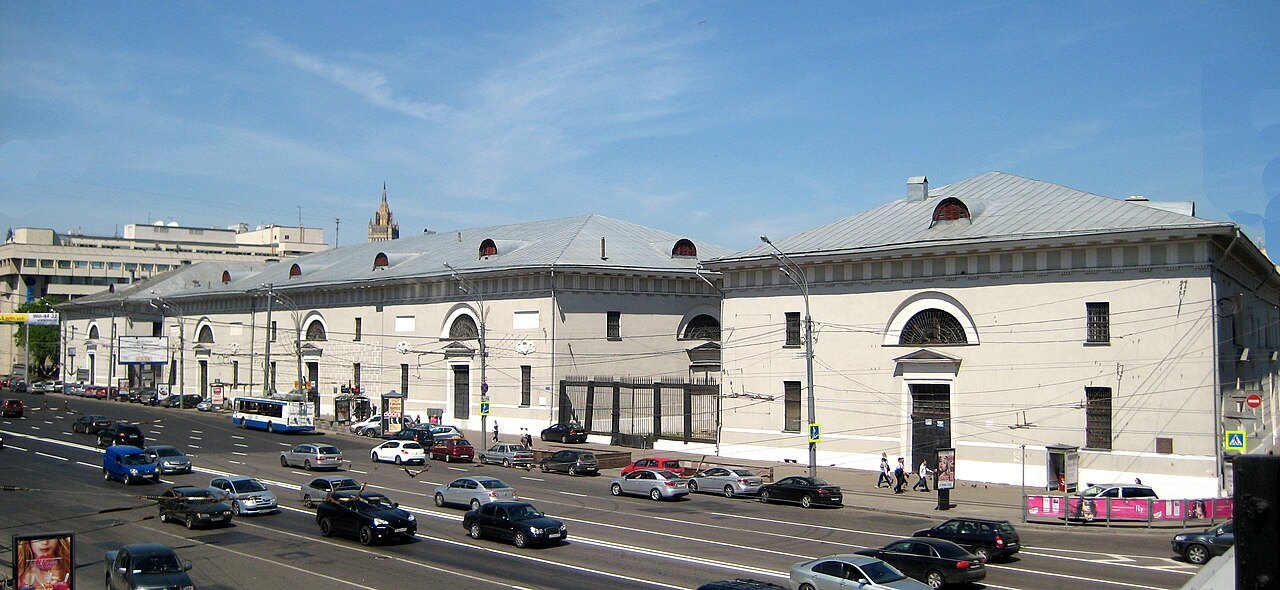
?A city museum — an ordinary genre in Europe — but the material is unique in scale: a million objects about one city. The value is also the Provision Warehouses by Stasov, a model Empire building rarely accessible from inside.
The permanent display History of Moscow: the archaeology of Moscow soil, town life, plans and views of the city by century. And the Provision Warehouses themselves, an Empire monument after Vasily Stasov.
?The oldest museum of evolution in Russia, built around an idea rather than around a case of stuffed animals: Kots collected proofs of variability, and the display serves the proof. It cannot match Vienna or Berlin for material, but its way of arguing stands on its own.
Early 20th-century taxidermy by Filipp Fedulov, among the finest anywhere; the collection of albinos and melanists gathered by Kots as visible proof of variability; the Living Planet hall.
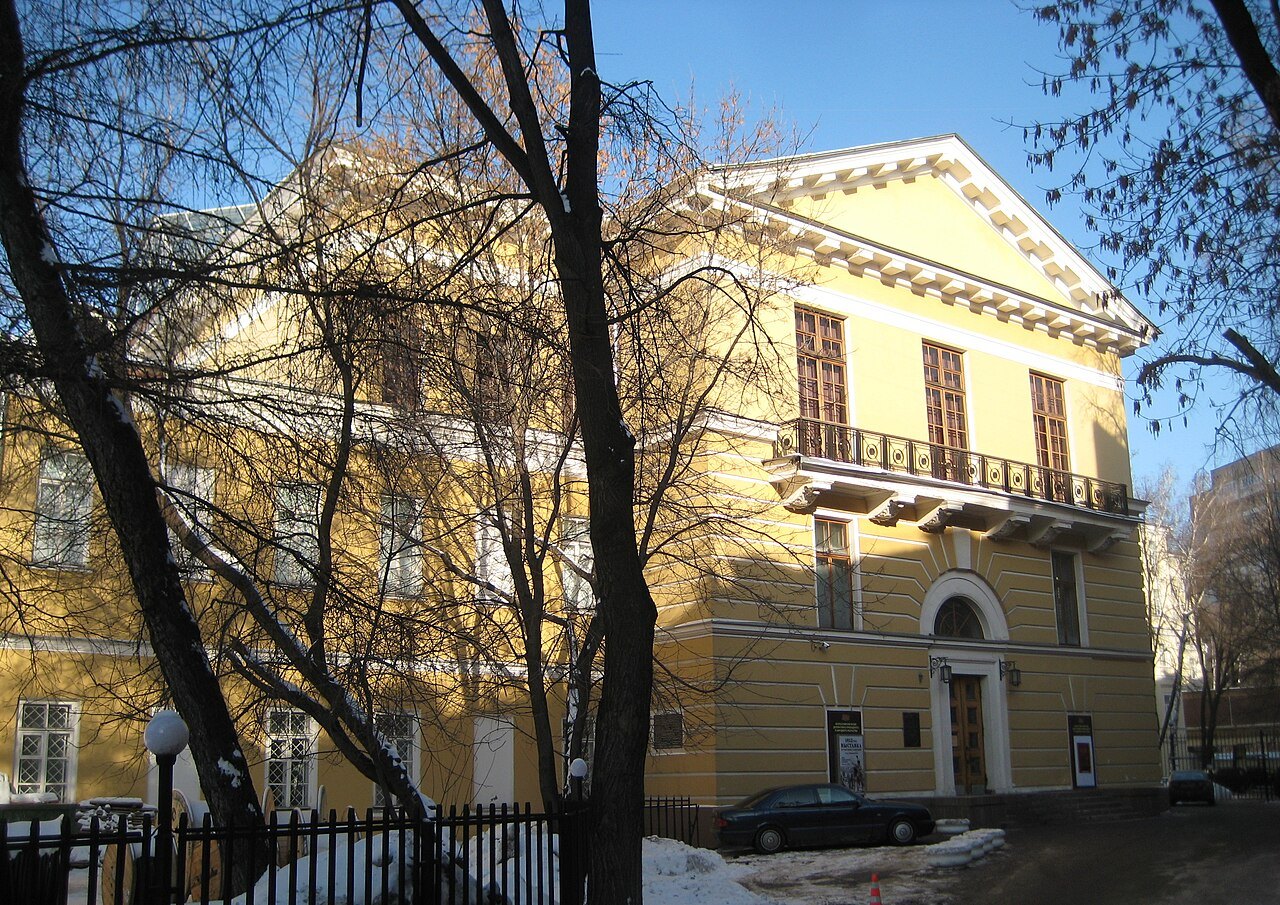
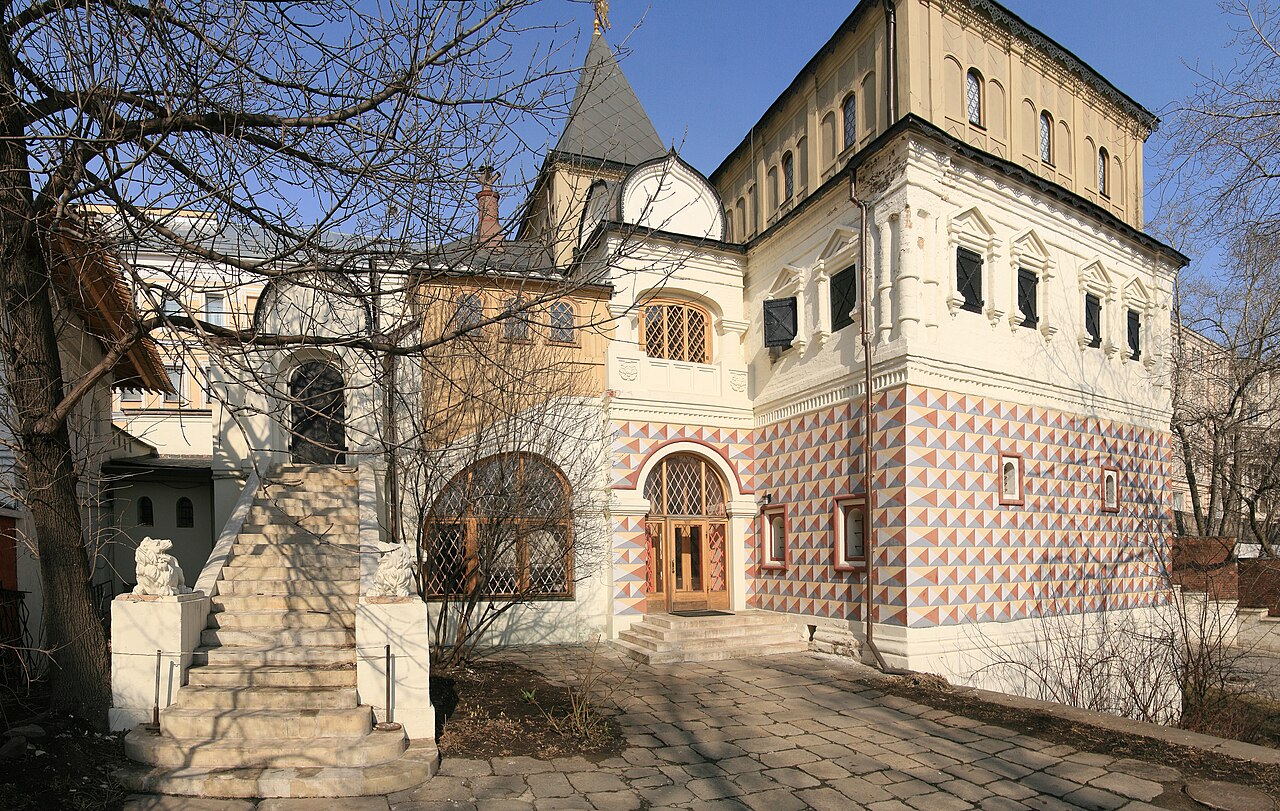
?One of the first museums in Russia: it opened in 1859, thirteen years before the Historical Museum, and opened already as a reconstruction of boyar life — an idea unheard of at the time. What is to be looked at is not authenticity down to the nail but the conception itself: how the middle of the nineteenth century pictured the seventeenth, and what came of it. Barry and Pugin were building Westminster in those same decades, and the case is the same — a century imagining an earlier one and building it in earnest. The collection meanwhile is real: furniture, vessels, textiles, tiles. Together with the Old English Court two steps away, this is the best pair in Moscow about the city before Peter.
The sixteenth-century undercroft, the one genuine part of the building. The interiors recreated by Richter in the 1850s: the dining chamber, the boyarynya’s room, the light room. Tiled stoves, chests, vessels and textiles of the seventeenth century.
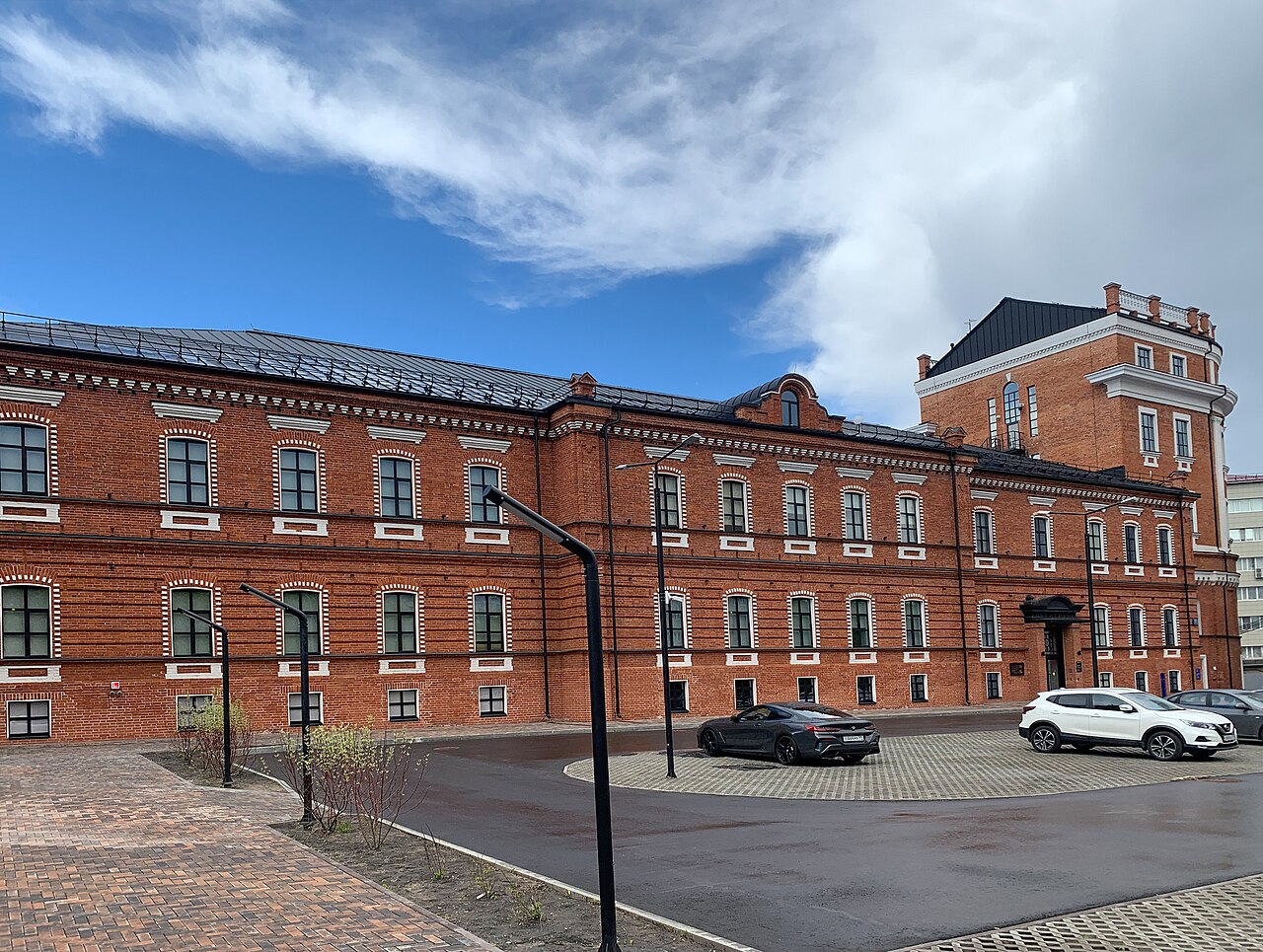
?The only museum in Russia about the cipher and about how a message reaches the person it is meant for — a subject nobody else takes up. It is made to present-day museum standards: object, explanation and working mechanism stand on equal terms, and it can be followed without a guide. A holding of world rank there is not and cannot be: the subject is young. Bletchley Park tells the story of the men who broke the machine; here the machine itself is put in a line six thousand years long, and Enigma is one entry in it. And a separate circumstance: the building is the former Marfino sharashka, a prison for scientists where Solzhenitsyn was held and about which In the First Circle was written. The museum says so plainly.
Cipher machines of the twentieth century, the German Enigma among them. Soviet scrambling apparatus. Sections on the ciphers of antiquity and on cryptography now. A display about the Marfino sharashka, within its own walls.
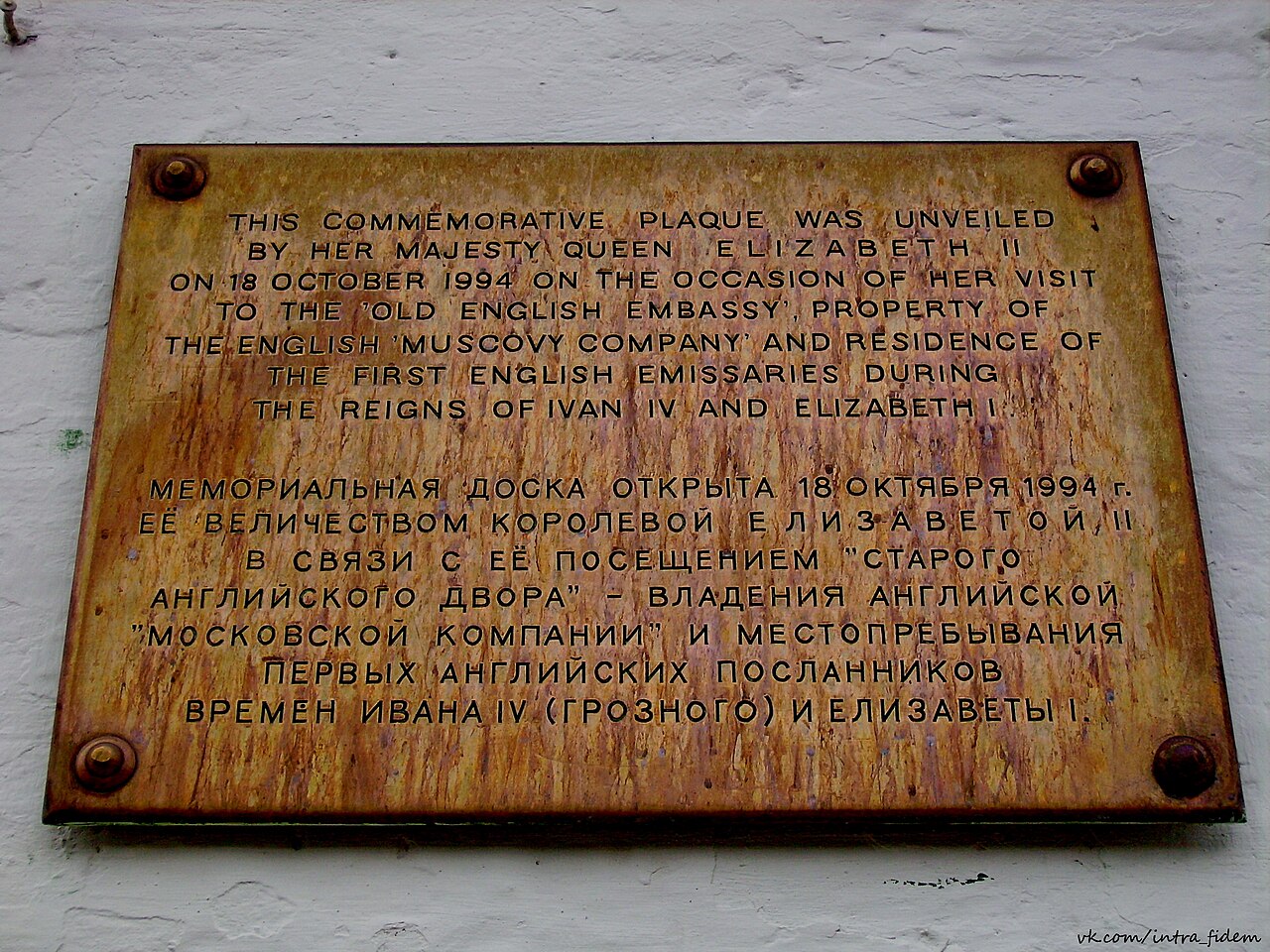
?The oldest surviving secular building in Moscow. The value is in the vaults themselves: almost no 16th-century interiors are left in the city, and these were recovered by Baranovsky, the restorer who saved half of it.
The Treasury Chamber with its 16th–17th-century interior and the original vaults; the display on Russian–English trade and finds from the Zaryadye digs.
And we came to the Mosco the 4. day of October, and were lodged that night in a simple house: but the next day we were sent for to the Emperour his secretarie…
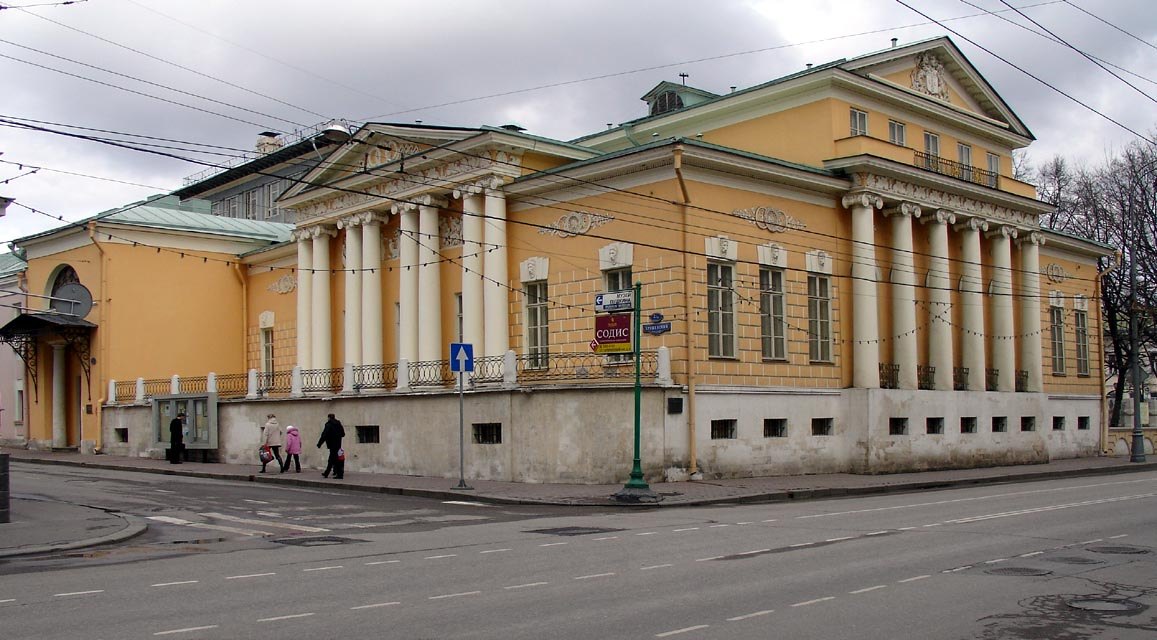
?There is no memorial Pushkin house in Moscow — he did not live here. The value is not authentic walls but a complete age: objects, books and portraits from which the Pushkin era can be reconstructed whole. For relics go to the Moika in Petersburg; for the era, here.
The permanent displays Pushkin and His Age (fifteen rooms of the manor house) and Pushkin’s Fairy Tales; first editions, portraits of his circle, everyday objects of the early 19th century.
?A Western-style science centre, not a museum: no originals, only apparatus. Excellent for a first acquaintance with physics; it gives nothing at all for the history of science.
Halls of mechanics, optics, acoustics and electricity; a mirror maze; science shows to a timetable.
?The lubok is an independent visual system, not a low echo of high art, and in Moscow it is shown only here. The collection is small, the subject unique and almost nowhere else treated as art.
Lubok sheets of the 17th to 19th century, printing boards and a press, and work by living artists who continue the craft.
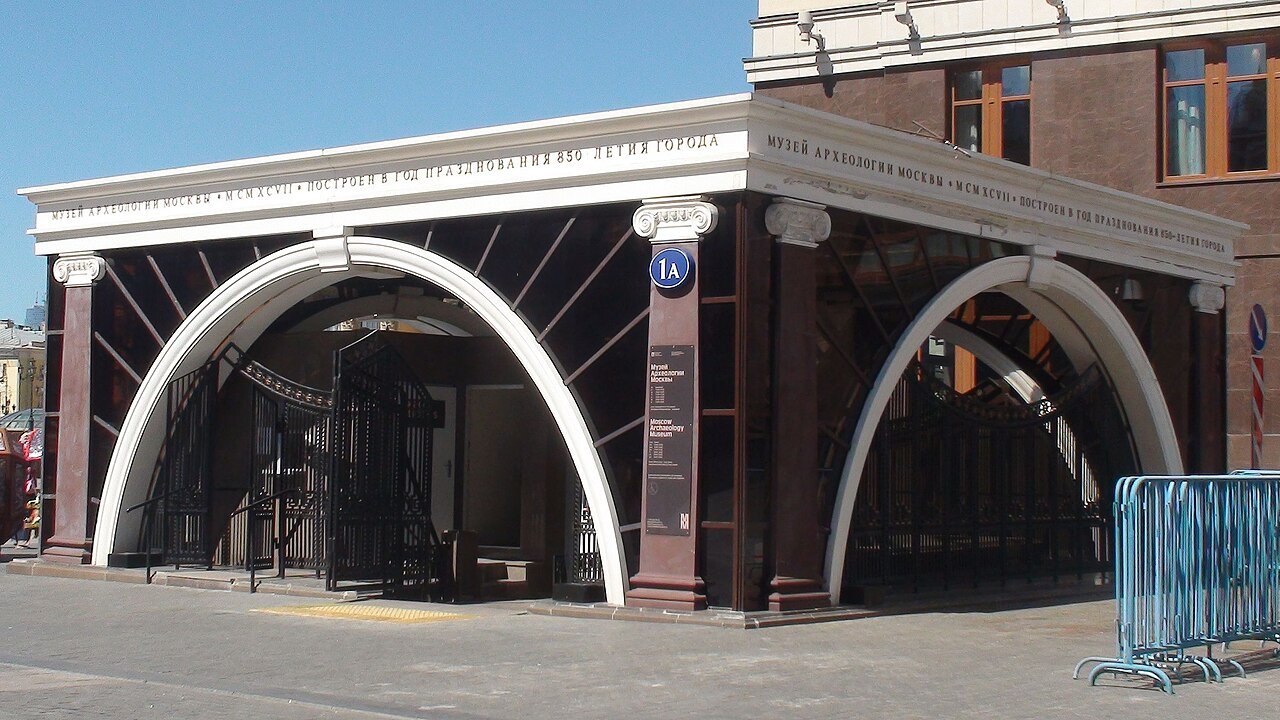
?A museum built around what cannot be moved: the 16th-century bridge piers stayed where they were and the building went up over them. That method of display is rare, and it is the reason to go down.
The white-stone piers of the Voskresensky Bridge of the 16th to 18th century — the museum was built around them; coin hoards found in the city centre; the everyday things of medieval Moscow.
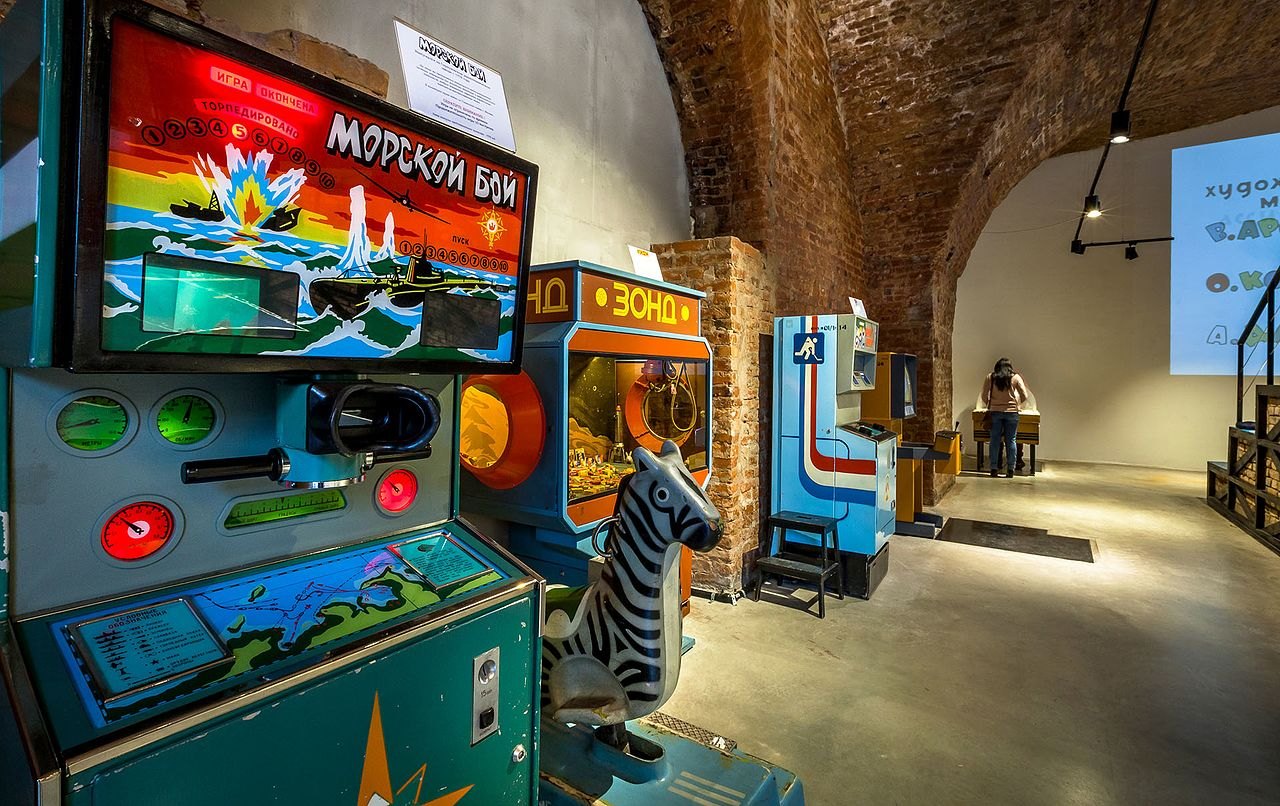
?The only museum where the exhibit works: the machine starts on a coin, and that changes the whole way of meeting the object. As a monument of late Soviet daily life it is precise and honest.
Sea Battle, Gorodki, Sniper, Safari — the machines work rather than stand behind glass; and the soda machine with a faceted glass.
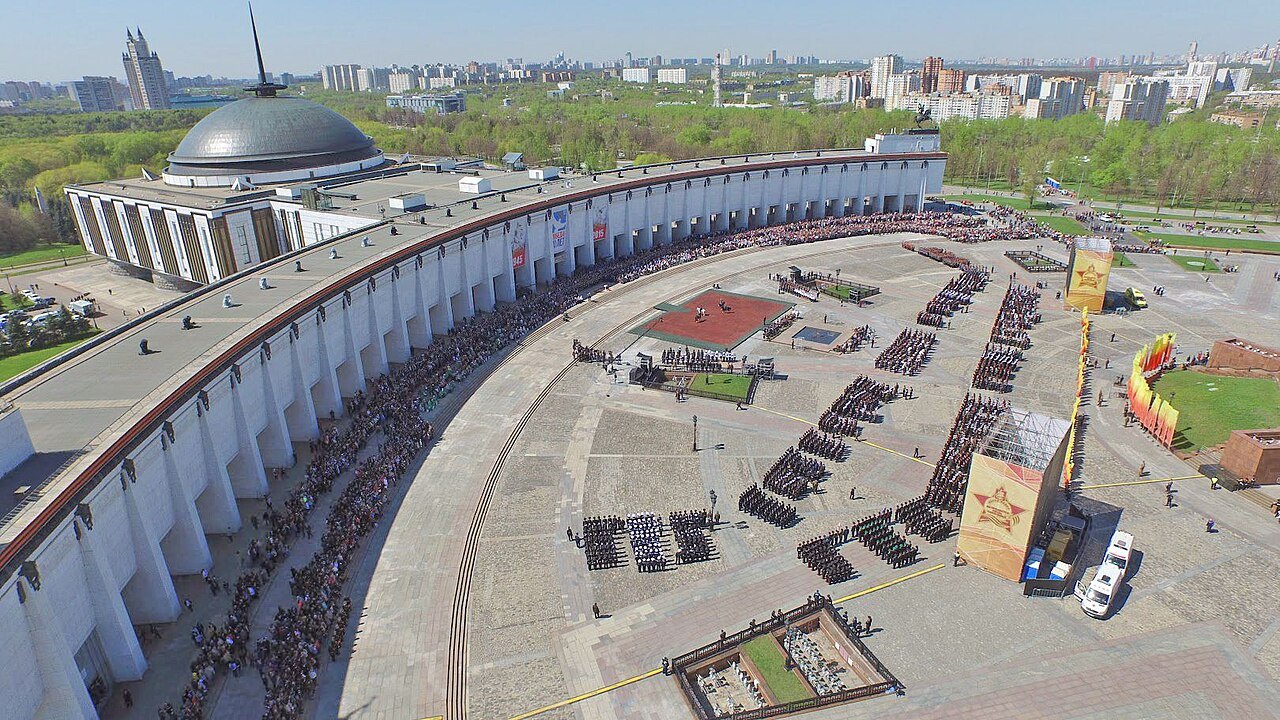
?A memorial rather than a collection: its strength is the scale of the spectacle and the Hall of Remembrance, not the originals. By museum standards it is average, and you should know that before going.
The Hall of Glory and the Hall of Remembrance and Sorrow; six dioramas of the decisive battles; the open-air park of military hardware.
?An industrial tour rather than a museum: the value is the walk into the working shop and the history of Einem. As a collection it is next to nothing, and we do not hide that.
A walk into the working shop where sweets are wrapped in front of you; the history of Einem and Krasny Oktyabr in original wrappers and advertising.
Malaya Krasnoselskaya 7 (entrance from Lobachika 1, bldg 1) ··