The city’s art collections, from the old Russian icon to the turn of the century. For each one we say what exactly to look at — named works, not lists of periods — and how much time to allow.
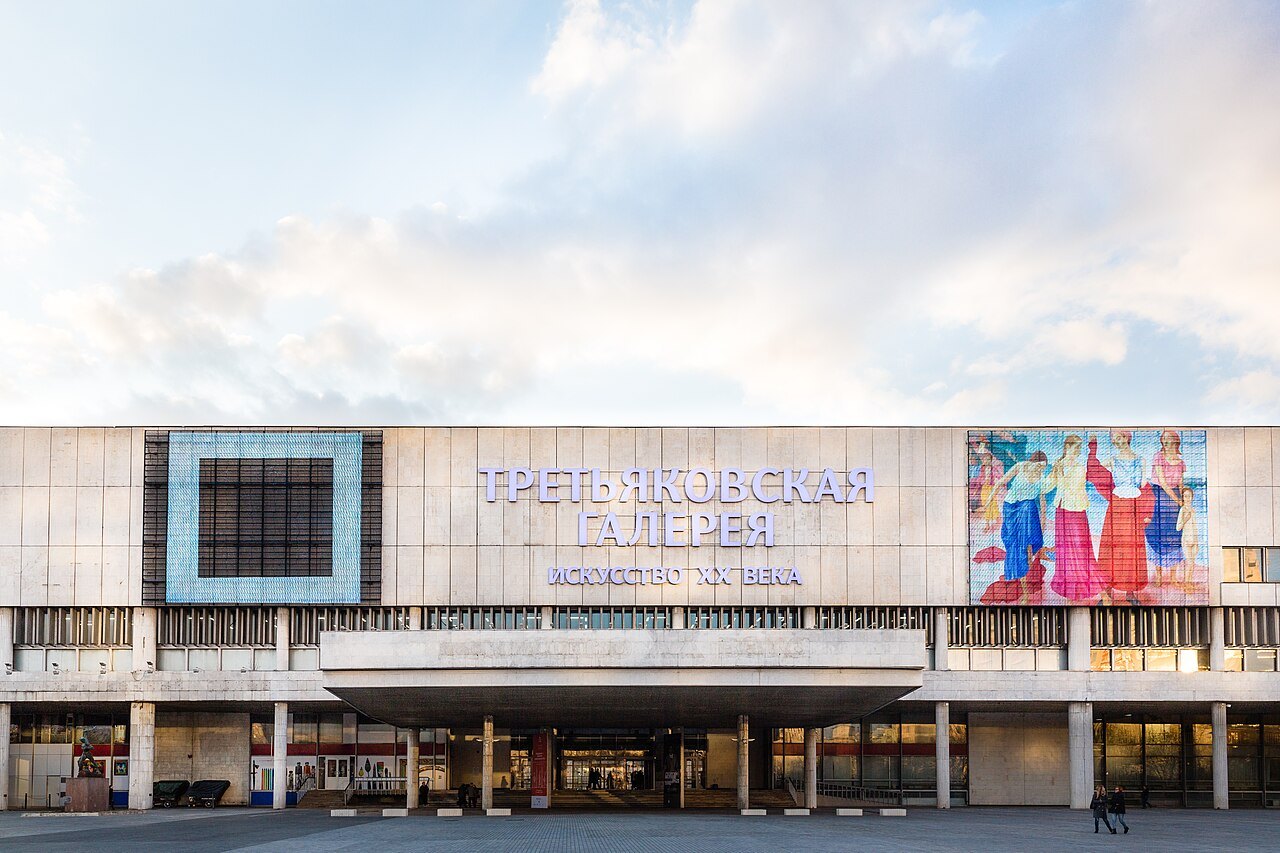
?The Russian avant-garde is the one Russian artistic system to enter the world canon on equal terms, and its largest collection is here. MoMA and the Pompidou show Malevich and Tatlin torn from their setting; here they hang beside what they rebelled against, which changes the reading.
Malevich’s Black Square, Petrov-Vodkin’s Bathing of a Red Horse, work by Kandinsky, Chagall, Goncharova and Larionov, the model of Tatlin’s Tower. Next door: the Muzeon park of dismantled Soviet monuments.
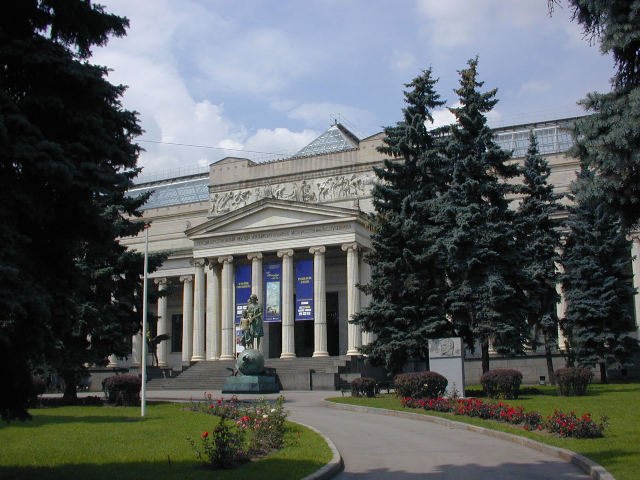
?The Louvre and the Metropolitan hold more originals; what is unique is Tsvetaev’s cast collection — the only large teaching museum of the history of art in the world still intact and still working as intended. In Europe such collections went into storage in the 20th century. Add the Fayum portraits and objects from Schliemann’s Trojan hoards.
The teaching collection of plaster casts after antique and Renaissance sculpture — Tsvetaev’s idea, unmatched for completeness; the Fayum portraits; objects from Priam’s Treasure found by Schliemann at Troy; the Egyptian collection. The French 19th–20th century is in the Gallery at Volkhonka 14, on a separate ticket.
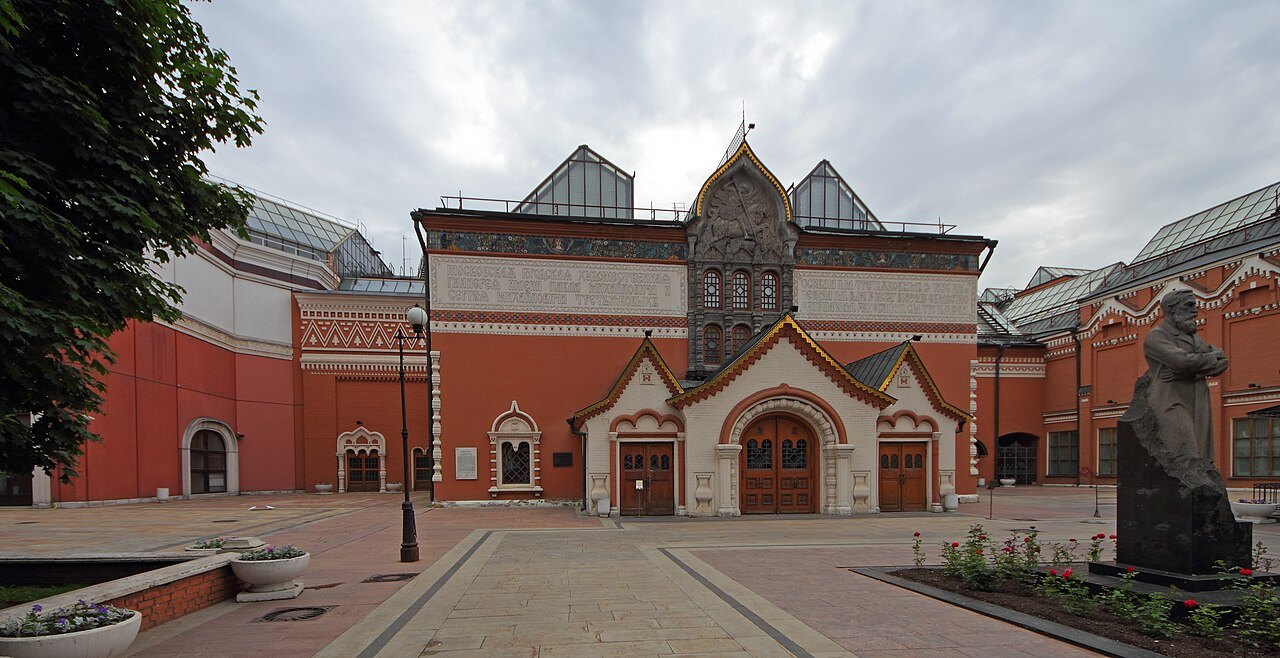
?Russian art of the 11th to early 20th century is nowhere else assembled so fully — only the Russian Museum compares. But the canon was formed here: Tretyakov bought from living artists what he himself thought mattered, and one man’s private judgement became what we now call the Russian school. Seeing the 19th century elsewhere means seeing fragments.
Ivanov’s The Appearance of Christ Before the People in its own hall; Surikov’s Boyarynya Morozova and Morning of the Streltsy Execution; Repin’s Ivan the Terrible and His Son; Serov’s Girl with Peaches; Vasnetsov’s Bogatyrs; the icon halls. Rublev’s Trinity is no longer here: it was handed to the Church in 2023.
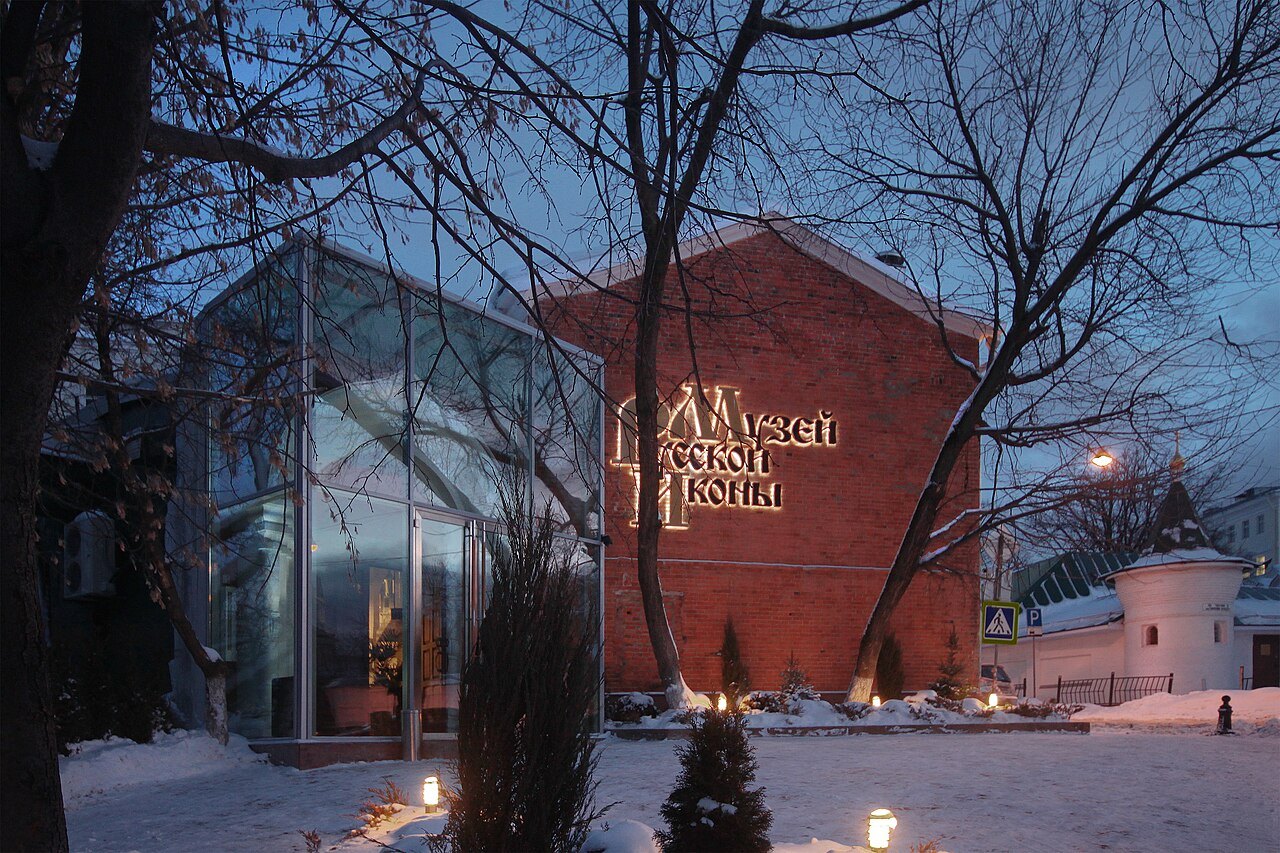
?For Ethiopian Christian art it is the only collection in Russia; for the Russian icon it competes with state museums. Add a circumstance almost unheard of anywhere in the world for a collection of this level: admission is free.
The Russian icon of the 14th to 20th century, from Novgorod panels to Old Believer painting; Ethiopian Christian art, the only such collection in Russia; a reconstructed iconostasis and post-Byzantine Greek icons.
?The term “Russian impressionism” is contested, and this is the only institution that investigates rather than illustrates it. The value is the exhibition programme: works come here from private collections that would otherwise never be seen.
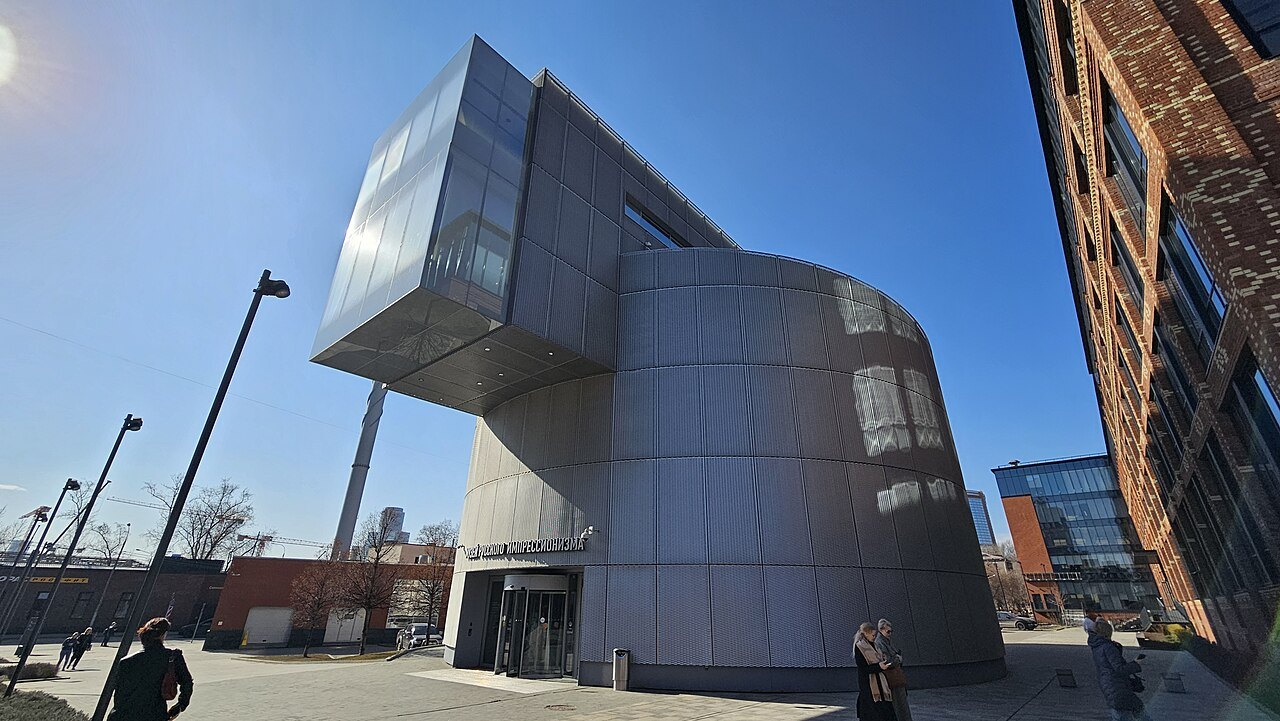
Konstantin Korovin, Valentin Serov, Igor Grabar, Nikolai Bogdanov-Belsky. The building is a converted cylindrical flour store of the Bolshevik factory — a rare case of industry turned into a museum.
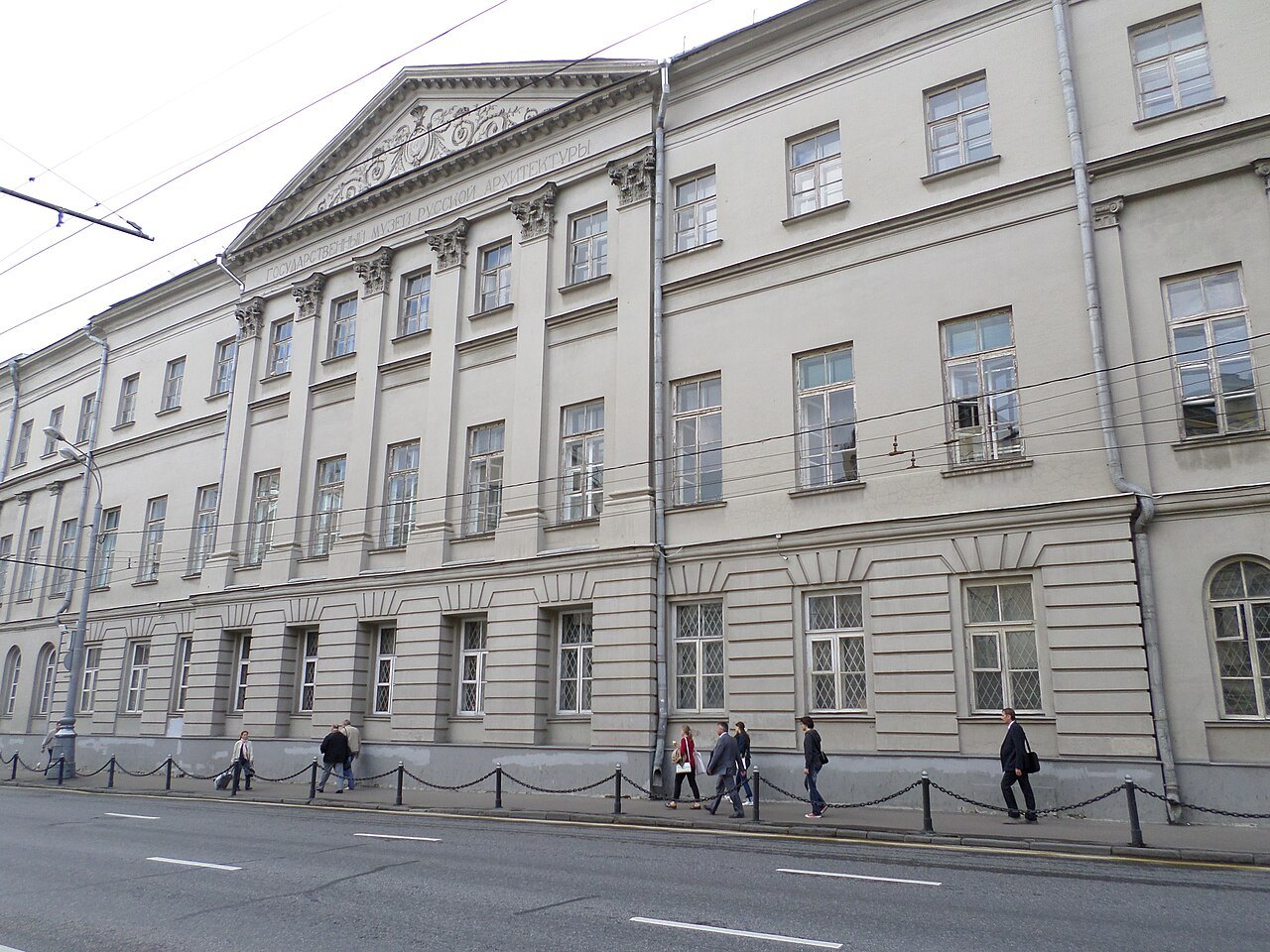
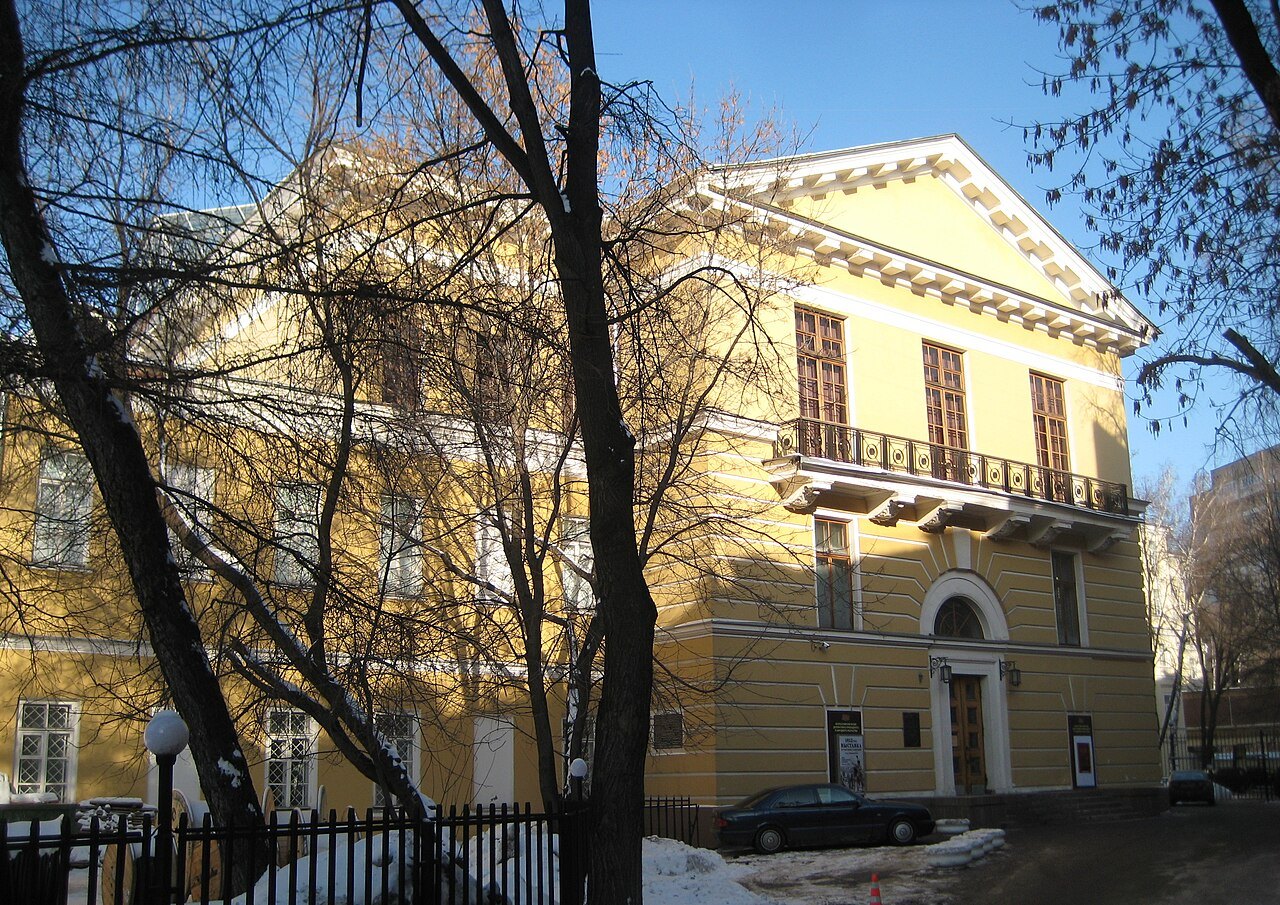
?The only museum of architecture in Russia and one of the few in the world. It holds fragments of demolished buildings — reliefs from the Cathedral of Christ the Saviour, details of the Sukharev Tower: things that exist nowhere else because the buildings do not.
The enfilade of the Talyzin house with its exhibitions; the Apothecary Office, 17th-century chambers where fragments of demolished Moscow buildings are shown; models of unbuilt projects, including material on the Palace of the Soviets.
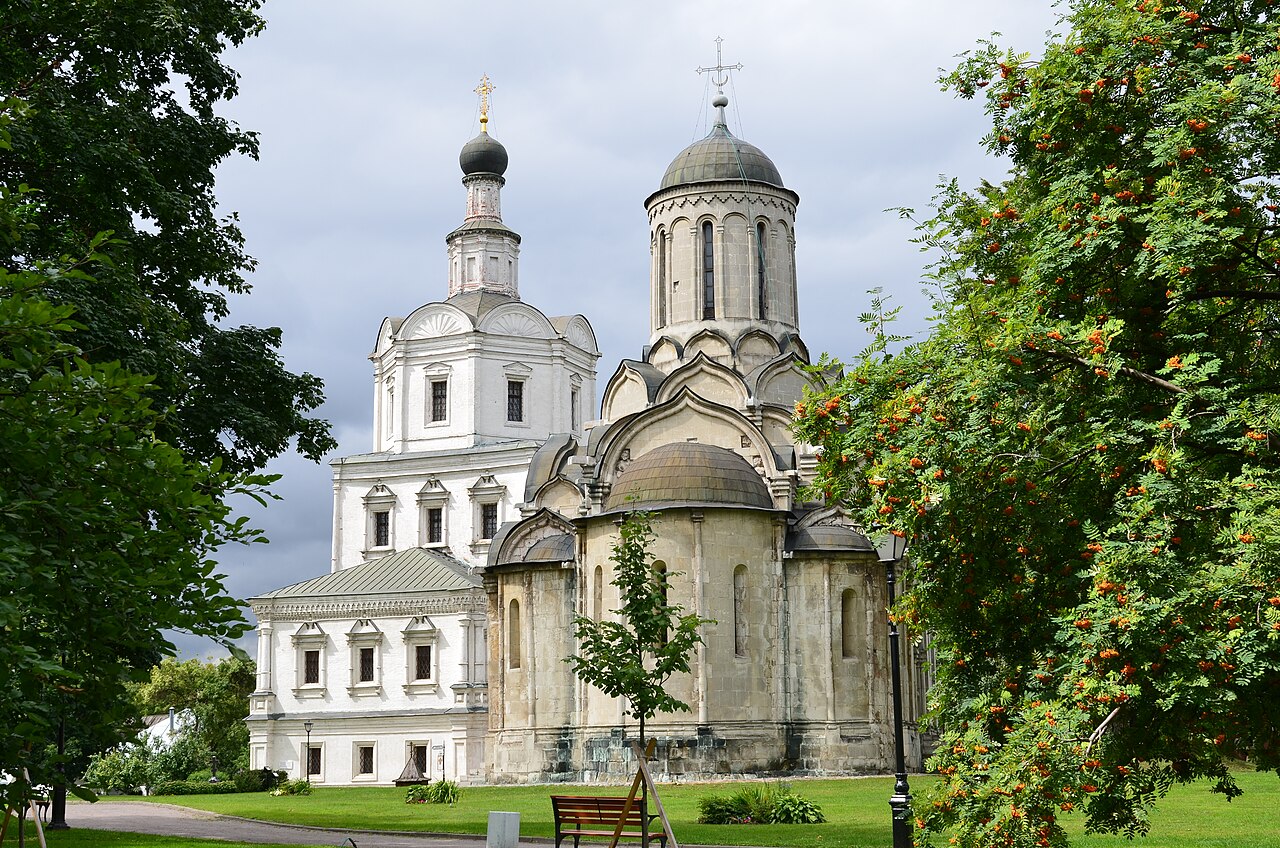
?The third collection of Russian icons after the Tretyakov and the Russian Museum, and the only one built as a museum of one subject: here the icon does not stand in a row of Russian art but is explained in itself, from the board and the gesso to the iconography. The holding was formed from things brought out by the museum’s expeditions from closed and ruined churches, and its value is the completeness of the line rather than single stars: famous names are almost absent, but the sequence runs unbroken from the thirteenth century to the seventeenth. In Britain icons are met in ones and twos, in Byzantine rooms and in the trade; a museum where the subject has a building of its own does not exist there. The monastery’s Saviour Cathedral, in which all this stands, is the oldest surviving building in Moscow.
Icons of the thirteenth to seventeenth centuries, gathered by the museum’s own expeditions. Royal doors and whole iconostasis sets. Fragments of wall painting. The Saviour Cathedral of the 1420s — the oldest building in Moscow, with remains of ornamental painting associated with Rublev.
?Western museums of the East were formed by colonial routes; this collection grew out of nationalised private collections and Soviet expeditions. Hence the Central Asian, Caucasian, Buryat and Chukchi sections that London and Paris lack: there the East begins with India and Egypt, here with what lay inside the country and next to it. That is the reason to come.
Central Asian and Caucasian carpets and metalwork transferred from the State Museum Fund; Iranian Qajar painting and tilework; Chinese bronze and porcelain, Japanese prints; a Korean section rare for Russia; Buddhist sculpture of Buryatia and Mongolia.
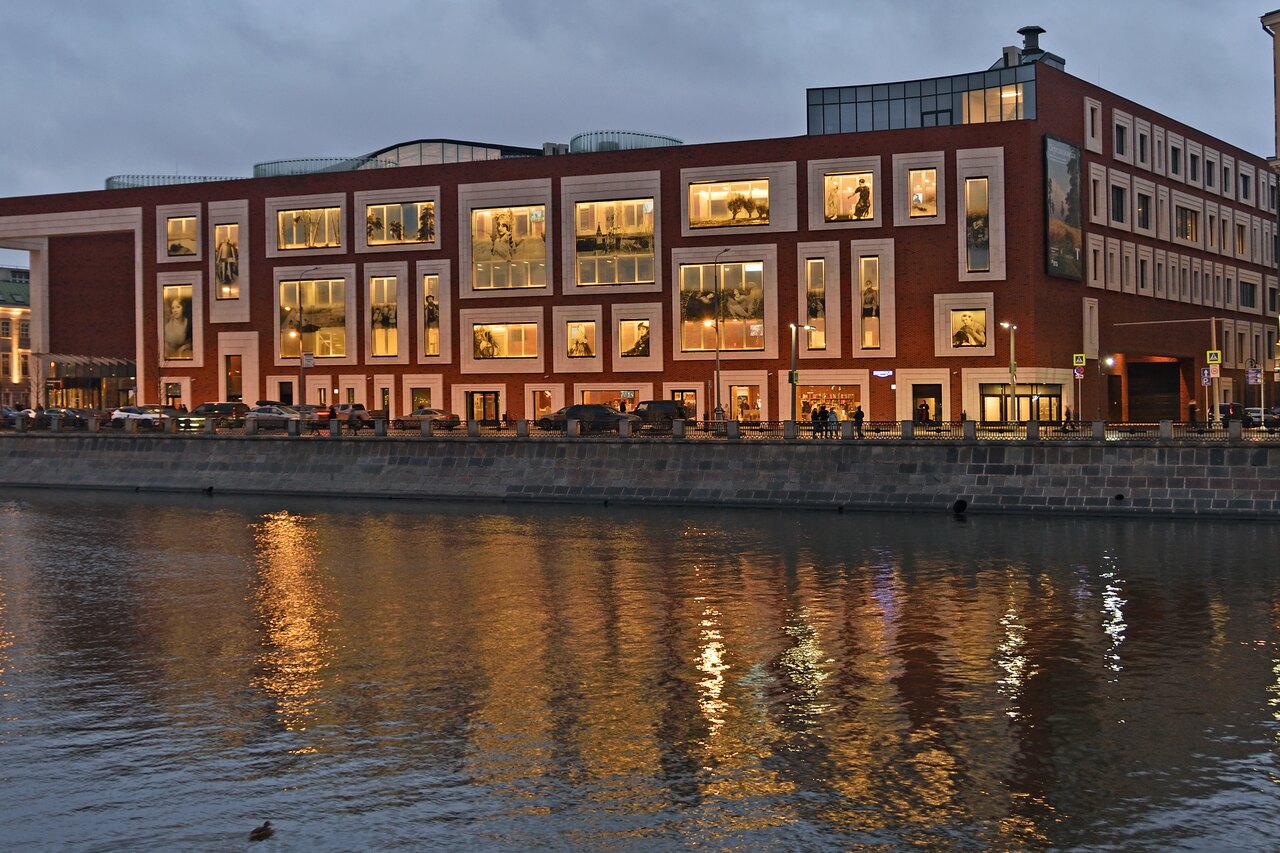
?Not yet a collection but an instrument: the first exhibition building in Moscow built to 21st-century museum standards — climate, light, spans. Its value is that things can now be brought here that could not be brought before.
There is no permanent collection — this is an exhibition wing. See the atrium, open without a ticket, and the façades: they carry reproductions of 34 works by Russian artists.
?Lacquer miniature of four schools and propaganda porcelain — the objects by which Russia is recognisable in world decorative art. The material is first-rate; the display is not up to it.
Lacquer miniature — Palekh, Fedoskino, Mstyora, Kholuy; Soviet propaganda porcelain; toys of the peoples of the world; embroidery and samovars.
?A one-artist museum, Anatoly Zverev, grown out of a private collection. Its value is not scale — the rooms are few and the works small — but the way of showing: an exhibition here is built as a statement, with sequence and light, rather than hung along the walls, and in Moscow that is rare. About Zverev himself an honest word is owed: an uneven artist, part of whose legacy rests on the speed of the hand rather than on depth, and his best things have to be picked out. The museum does not conceal this, which is why it is believed.
Painting and drawing by Anatoly Zverev from Natalia Opaleva’s collection. Exhibitions setting Zverev beside other artists of his circle. Work by Vladimir Nemukhin and other nonconformists.
⤢Bernt Rostad uploaded and derivative work: MrPanyGoff, CC BY 2.0 · Wikimedia Commons
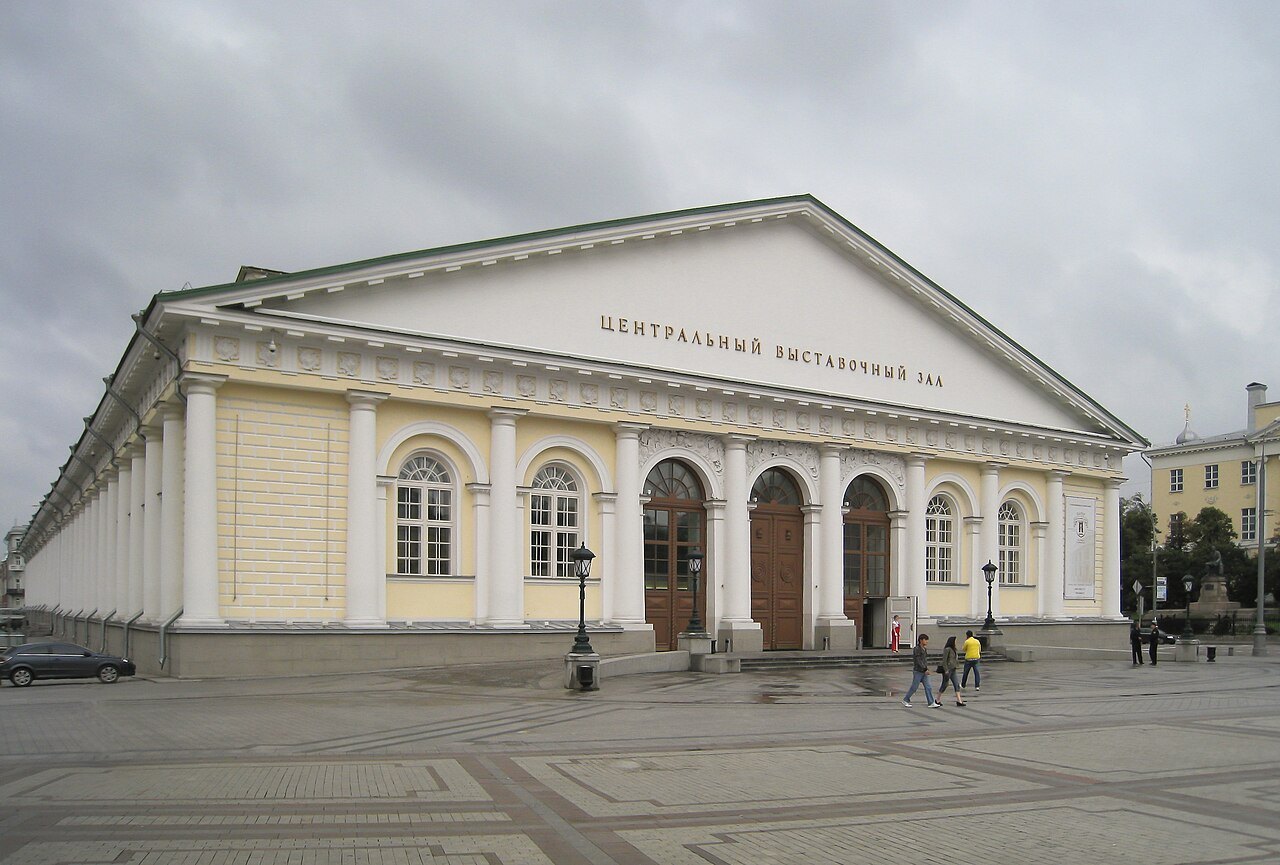
?There is no collection; the value is entirely engineering — a column-free span of nearly 45 metres calculated by Betancourt, a monument of engineering thought with few equals in Europe. Everything else here is temporary.
The building itself: a column-free hall spanned by timber trusses of almost 45 metres, calculated by the engineer Agustín de Betancourt — a rare monument of engineering.
⤢Andrei Raikin, Alexei Sidelnikov, Andrei Lobanov, CC BY 3.0 · Wikimedia Commons
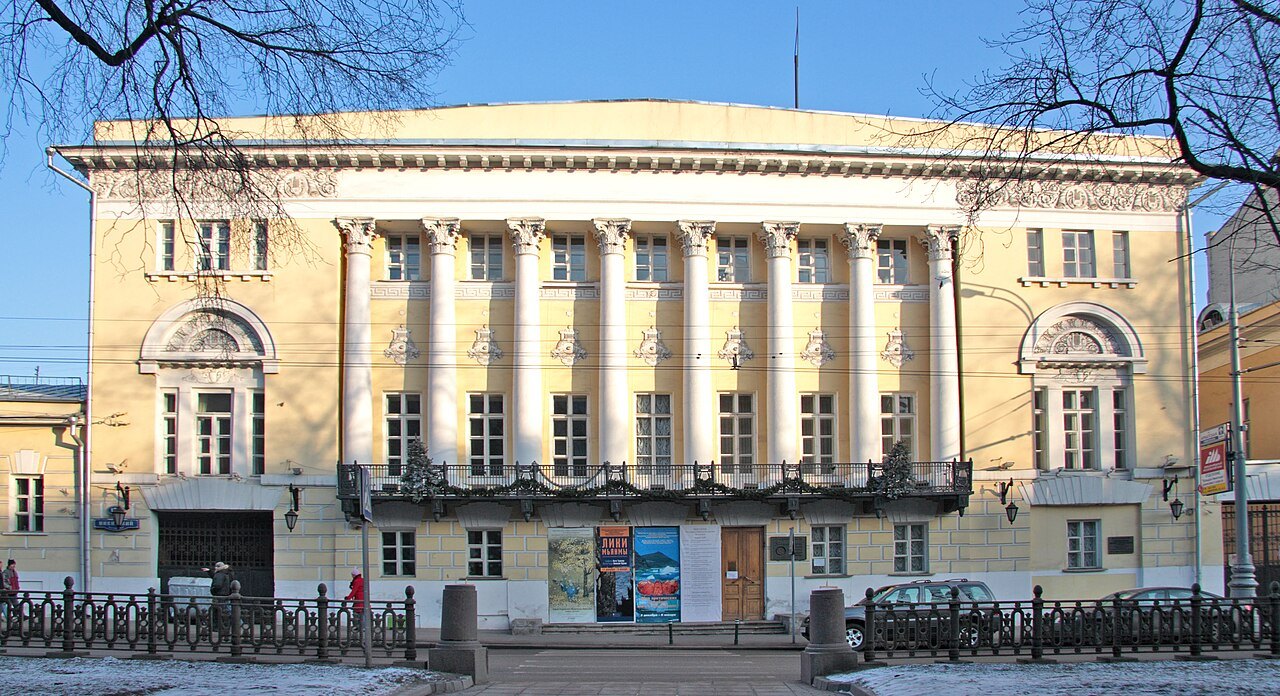
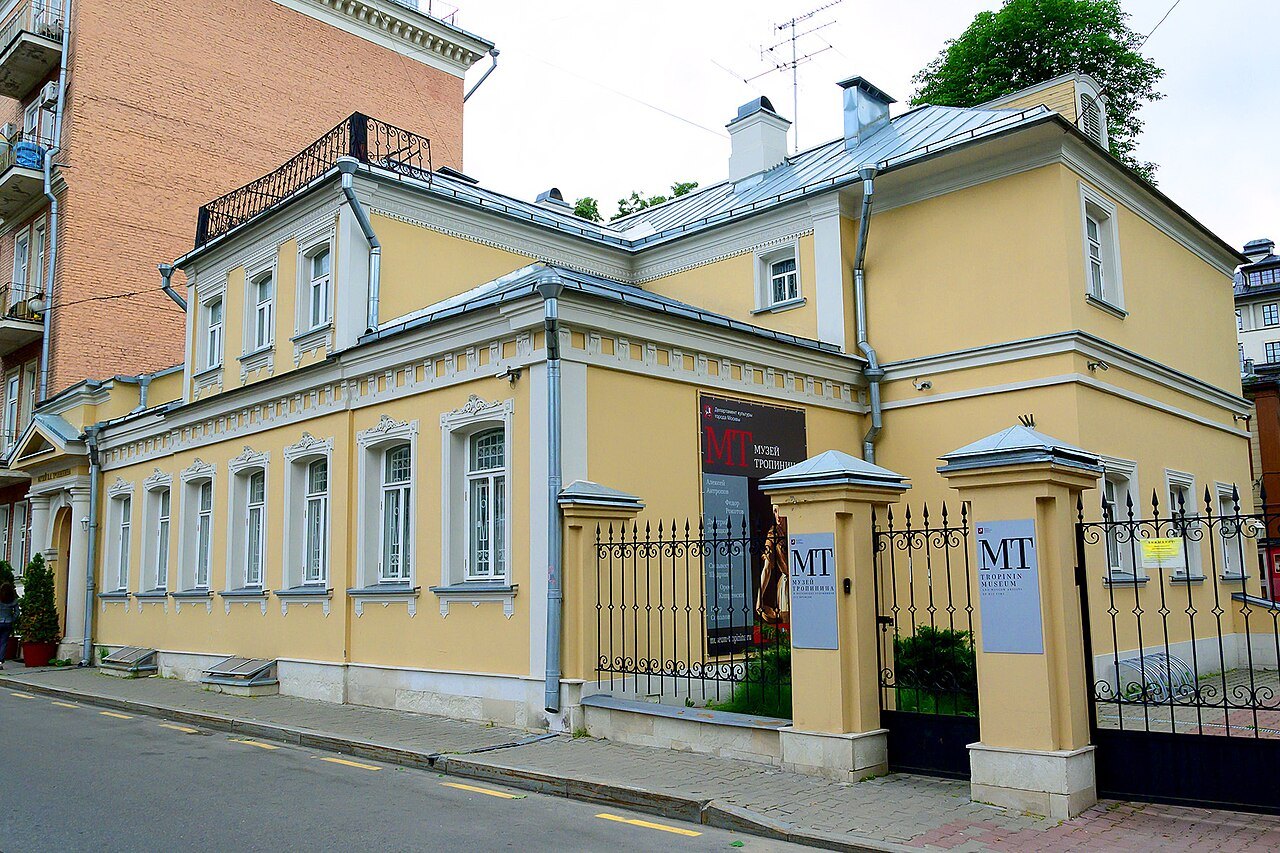
?The Moscow portrait of the first half of the 19th century is nowhere else so densely gathered. The value is also in the origin: Vishnevsky’s private collection given to the city, a model of how Russian museums came to be.
Portraits by Vasily Tropinin and his Moscow contemporaries, work by serf artists, Russian Biedermeier. The quiet Zamoskvorechye lane and the house itself are half the pleasure.