Museums near The Darwin Museum
We do not ask your browser where you are. We collect no data about people. Place the point on the city map yourself — we will find the nearest museums that suit your preferences.
MSU Botanical Garden
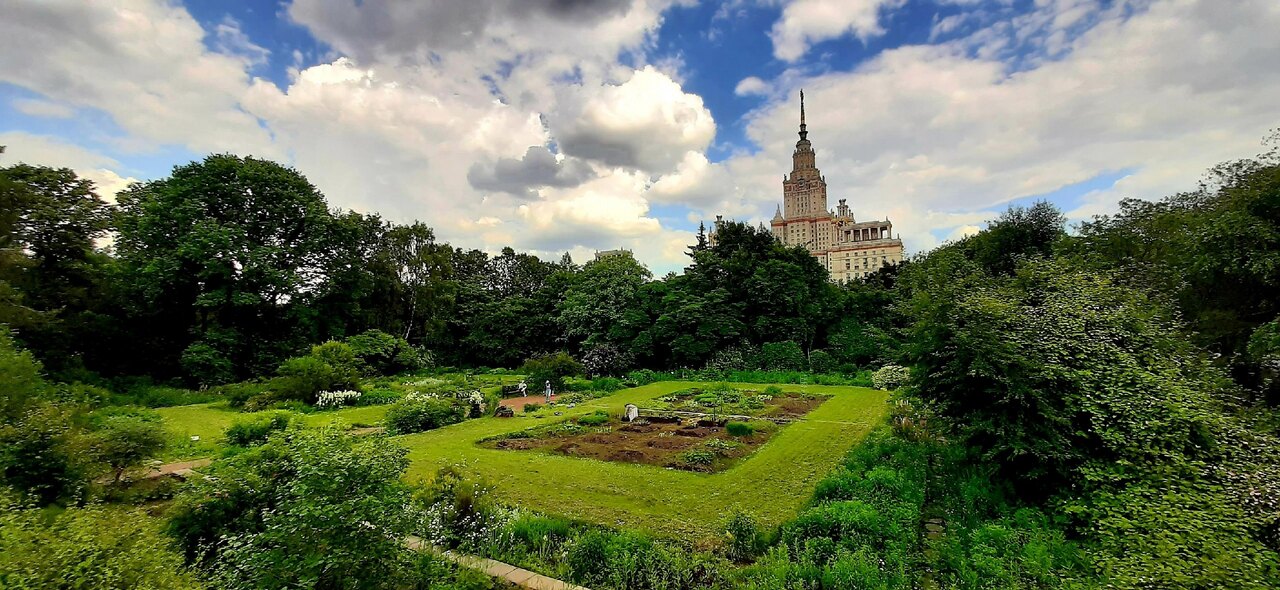
Lilacs: more than two hundred and fifty varieties, Russian and foreign; the display plot was laid out in 1974. Irises — about seven hundred, from bearded to bulbous. Roses, more than two hundred varieties. Peonies, more than three hundred, among them tree peonies bred in the university itself. Daylilies, about two hundred varieties, from the old ones to the present.
The Mineralogical Museum
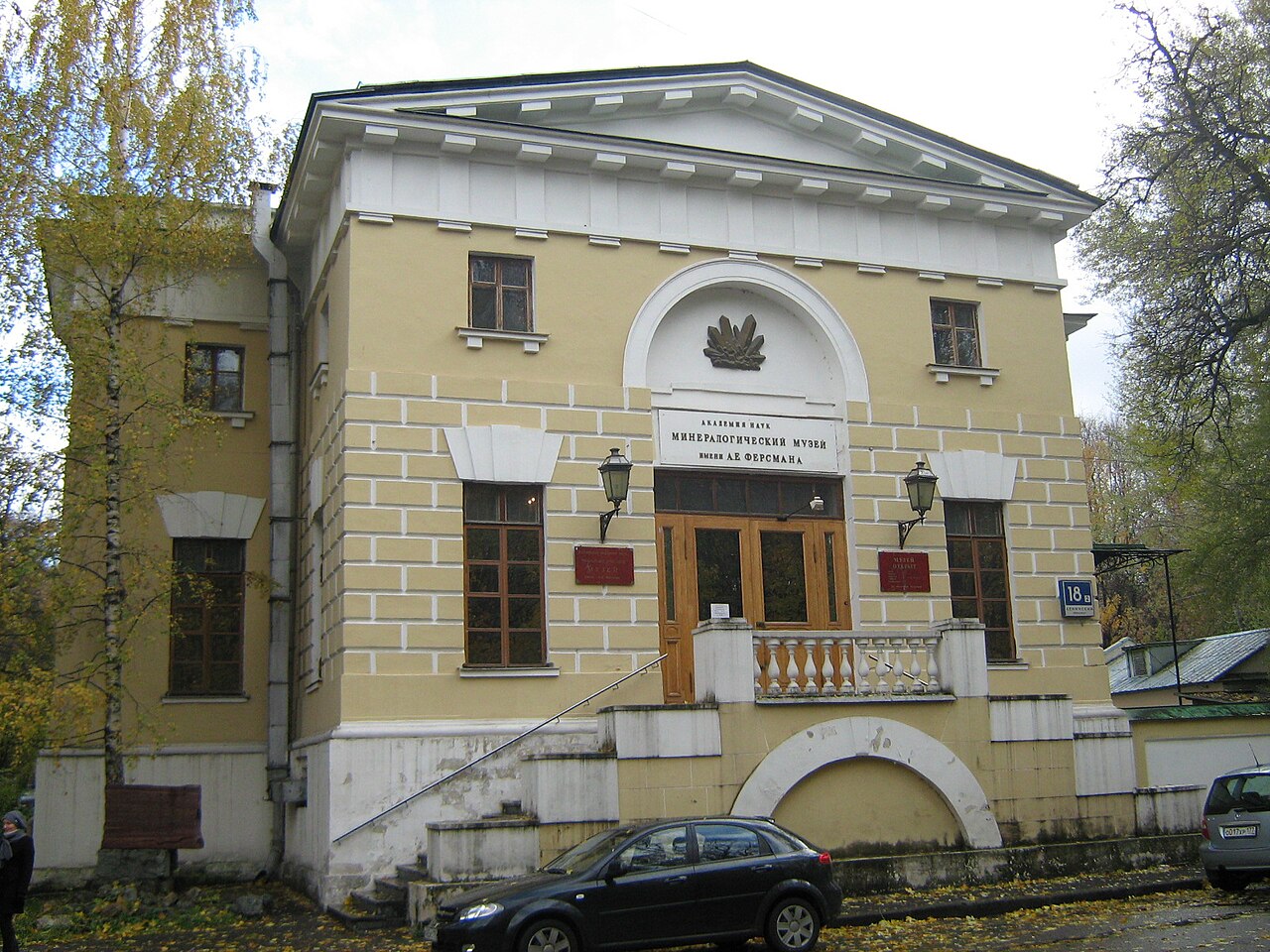
The systematic collection — the whole known mineral world by class. Ural malachite and rhodonite from the old crown holdings. Meteorites. Hardstone work by Fabergé and the Peterhof lapidary works. Large specimens of a size only museums of this age possess.
Novodevichy Convent
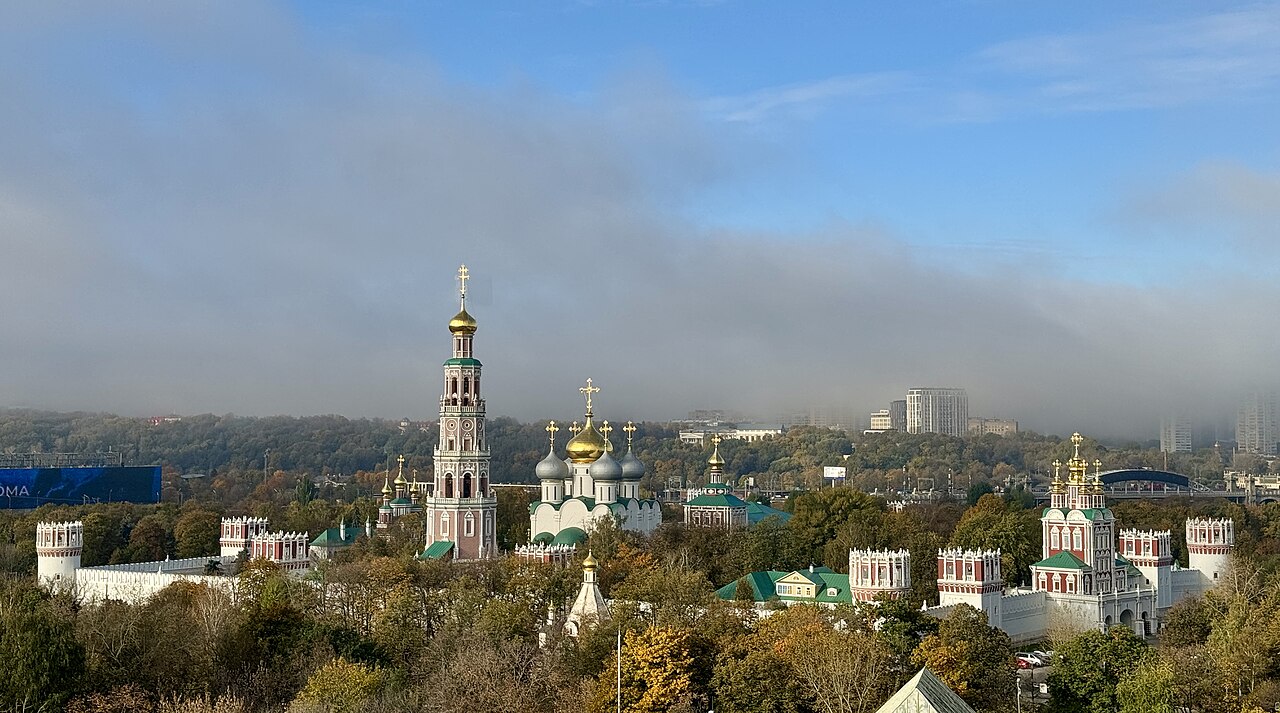
The Smolensk Cathedral of 1524 with its sixteenth-century wall painting and iconostasis. The walls and towers of the late seventeenth century — Moscow Baroque entire. The burial ground: Denis Davydov, Sergei Solovyov, and Chekhov before he was moved.
The Museum of Patrons
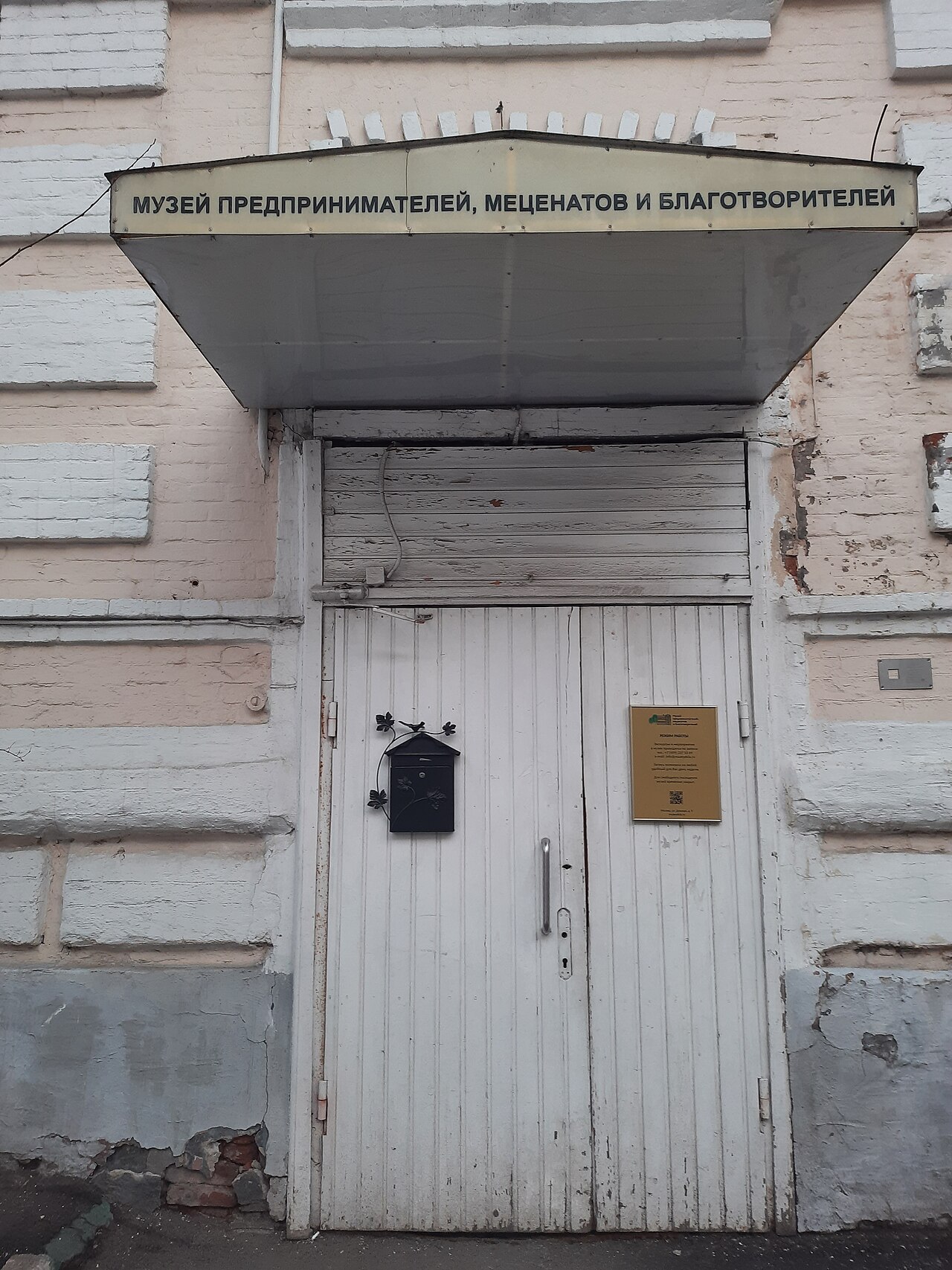
Documents, portraits and belongings of the Moscow merchantry of the nineteenth century. Material on the Tretyakov, Morozov, Bakhrushin and Shchukin dynasties. The house of Ivan Prostyakov, in which the museum lives.
Tolstoy in Khamovniki
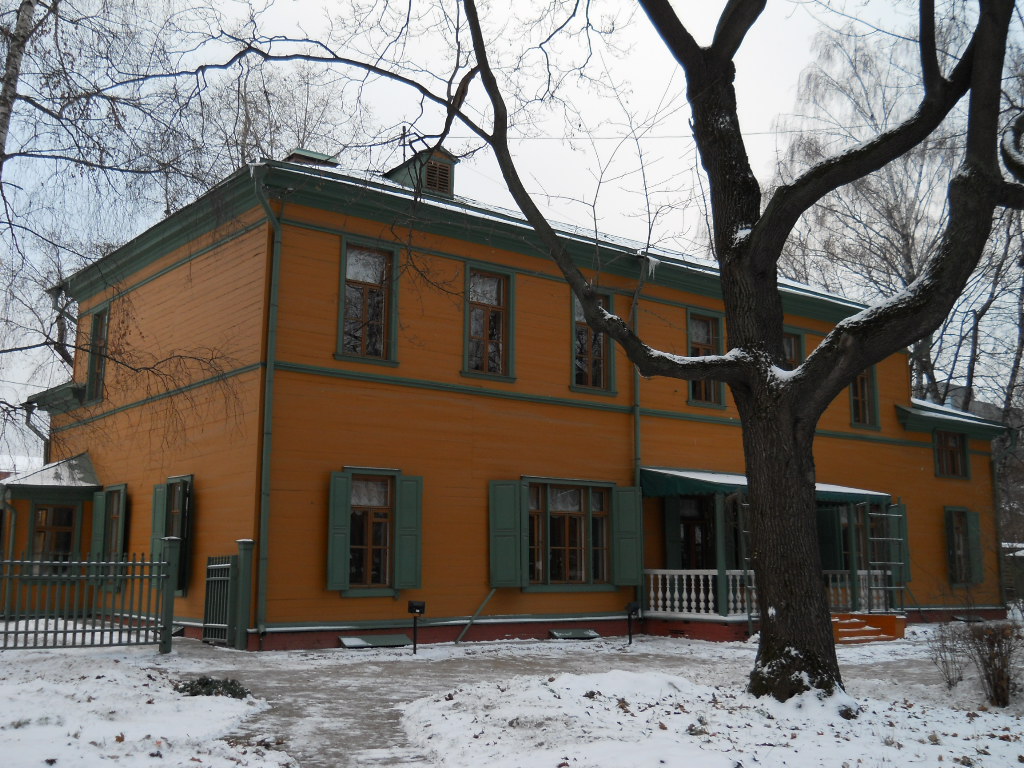
The study with its low chair, cut down to the short sight of its owner, and the writing table. Sofya Andreyevna’s room. The hall with the piano at which Taneyev and Rachmaninoff played. The cobbler’s bench — Tolstoy made his own boots. The garden, which has outlived the century along with the house.
The Dahl Literary Museum
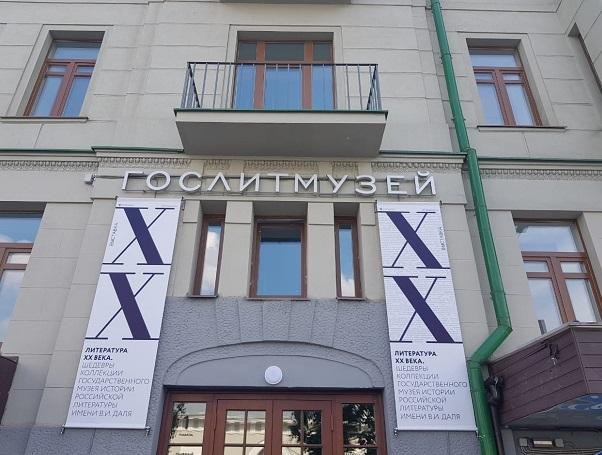
The permanent display Zubovsky 15: a house of science, literature and art, and the exhibitions on 20th-century Russian letters.
Museum of Moscow
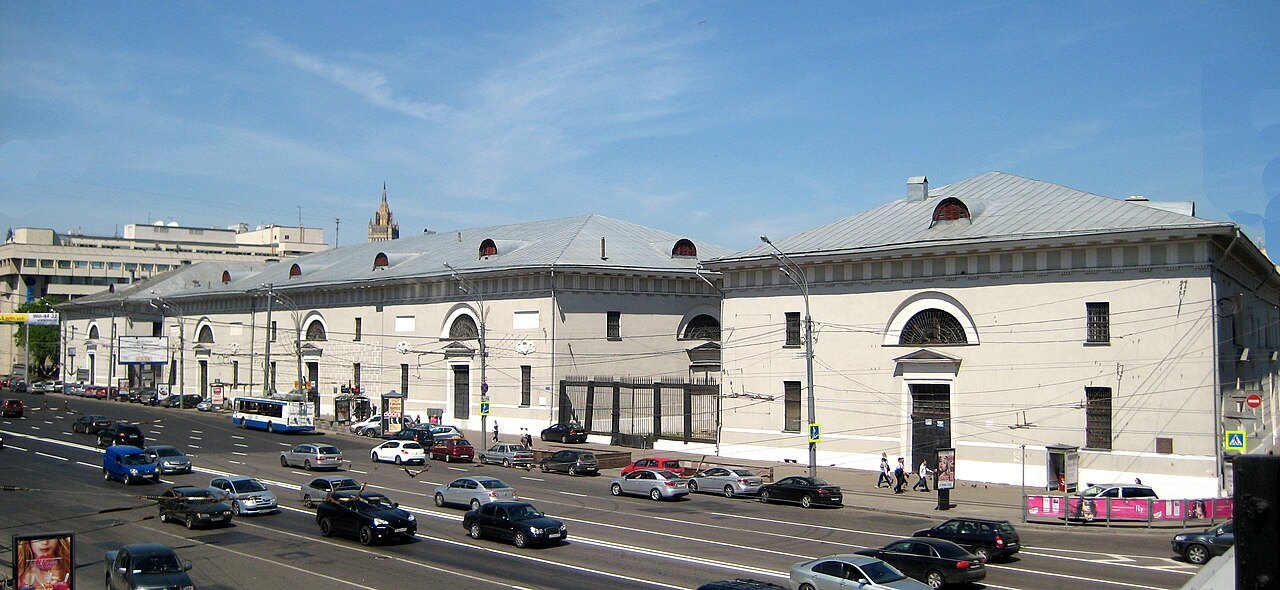
The permanent display History of Moscow: the archaeology of Moscow soil, town life, plans and views of the city by century. And the Provision Warehouses themselves, an Empire monument after Vasily Stasov.
The New Tretyakov
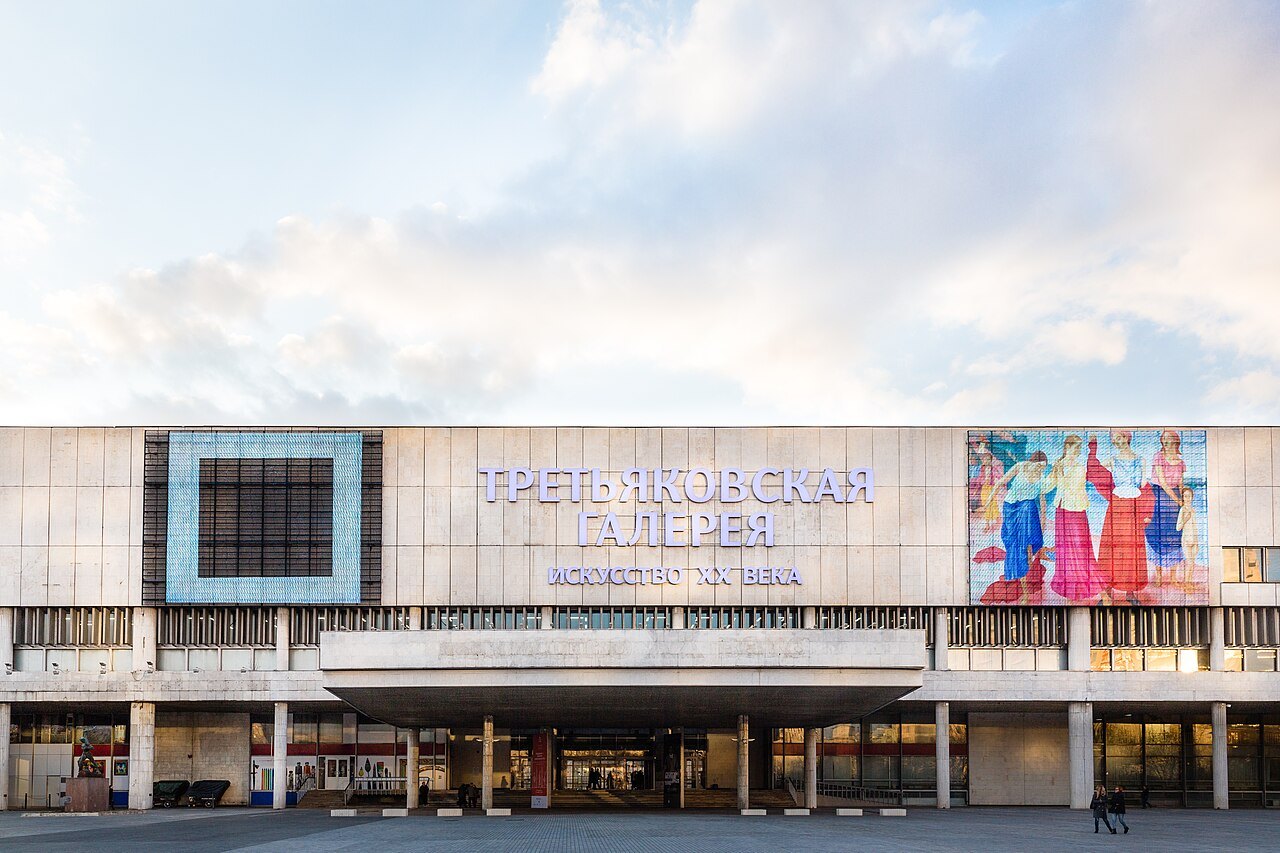
Malevich’s Black Square, Petrov-Vodkin’s Bathing of a Red Horse, work by Kandinsky, Chagall, Goncharova and Larionov, the model of Tatlin’s Tower. Next door: the Muzeon park of dismantled Soviet monuments.
The Victory Museum
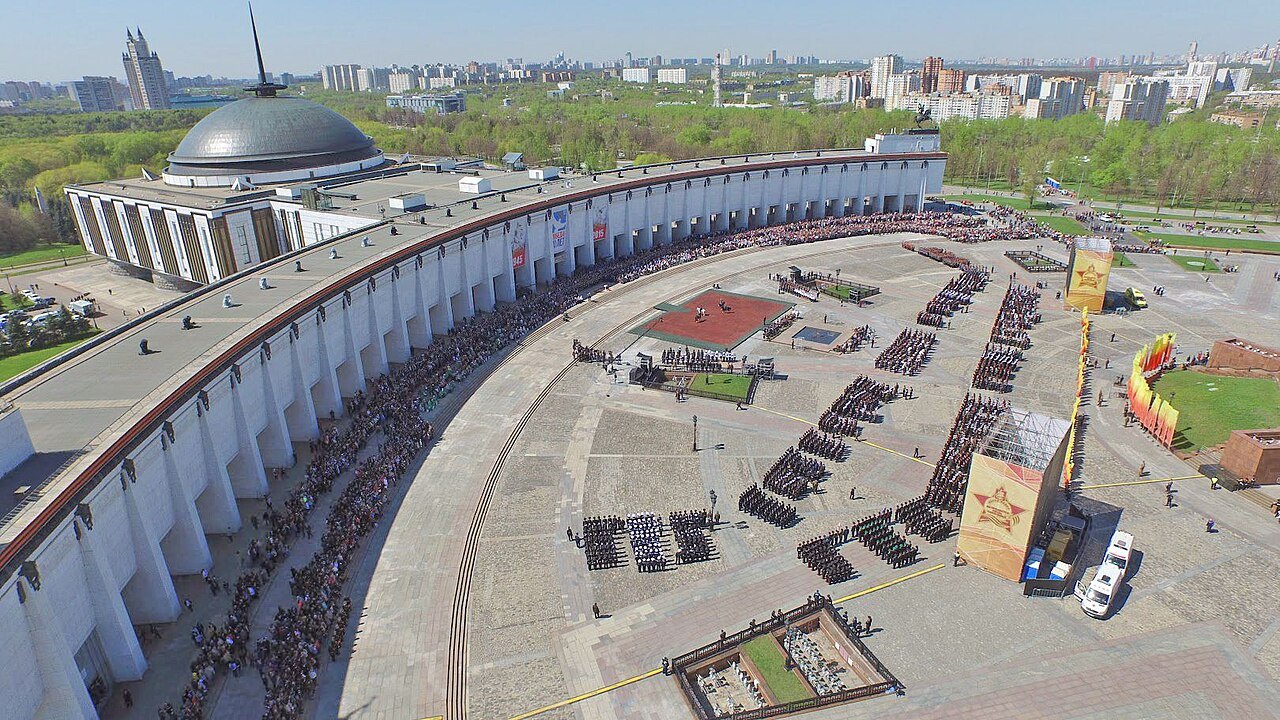
The Hall of Glory and the Hall of Remembrance and Sorrow; six dioramas of the decisive battles; the open-air park of military hardware.
The Borodino Panorama
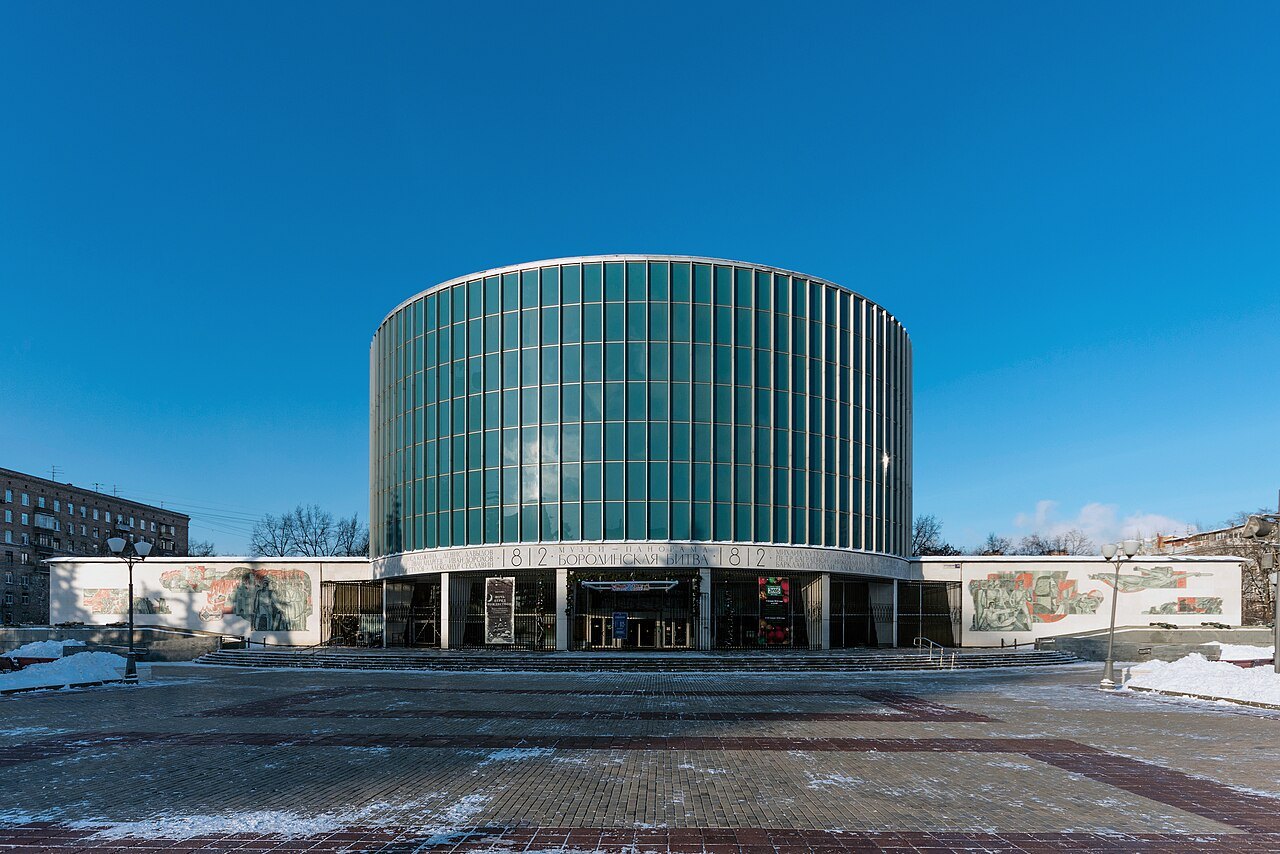
Franz Roubaud’s Borodino panorama of 1912: 115 metres of canvas in the round, 15 metres high. Next door, the Kutuzov hut where on 1 September 1812 the council of war decided to abandon Moscow.
5 museums have no point set. They are not in this count.