Museums near The Gogol House
We do not ask your browser where you are. We collect no data about people. Place the point on the city map yourself — we will find the nearest museums that suit your preferences.
Museum of Moscow
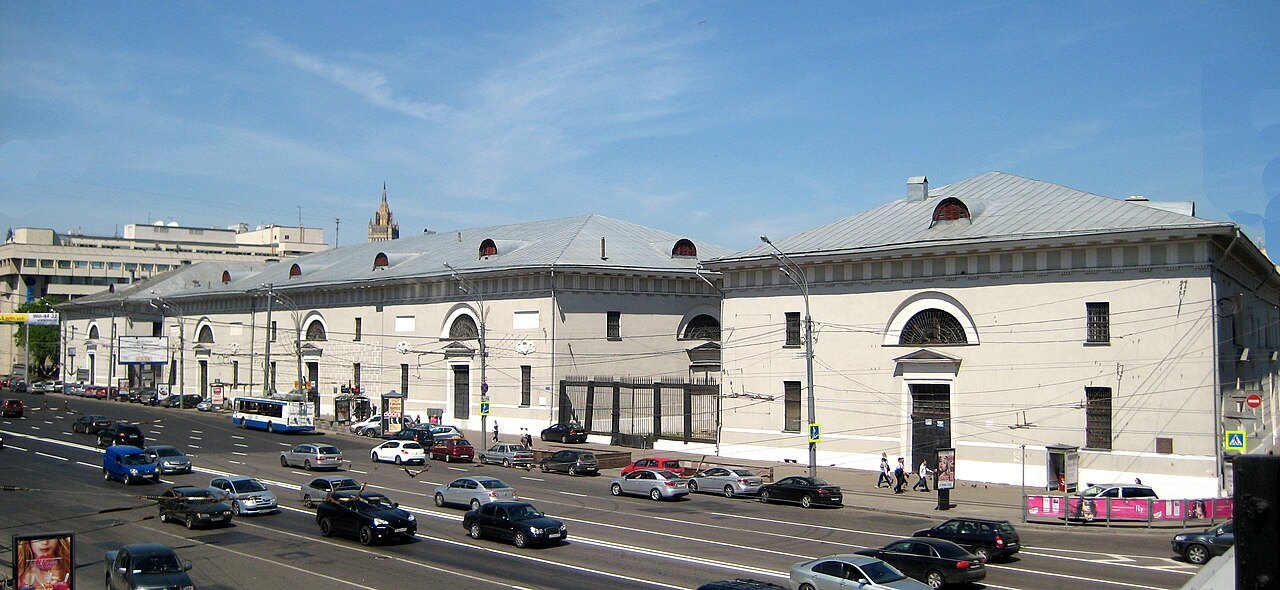
The permanent display History of Moscow: the archaeology of Moscow soil, town life, plans and views of the city by century. And the Provision Warehouses themselves, an Empire monument after Vasily Stasov.
The AZ Museum
Painting and drawing by Anatoly Zverev from Natalia Opaleva’s collection. Exhibitions setting Zverev beside other artists of his circle. Work by Vladimir Nemukhin and other nonconformists.
The Dahl Literary Museum
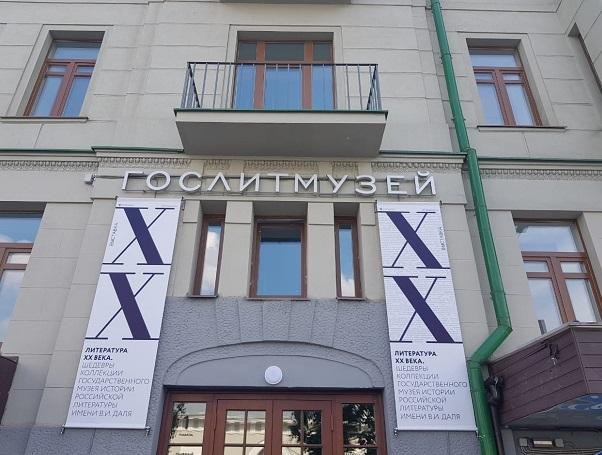
The permanent display Zubovsky 15: a house of science, literature and art, and the exhibitions on 20th-century Russian letters.
The New Tretyakov
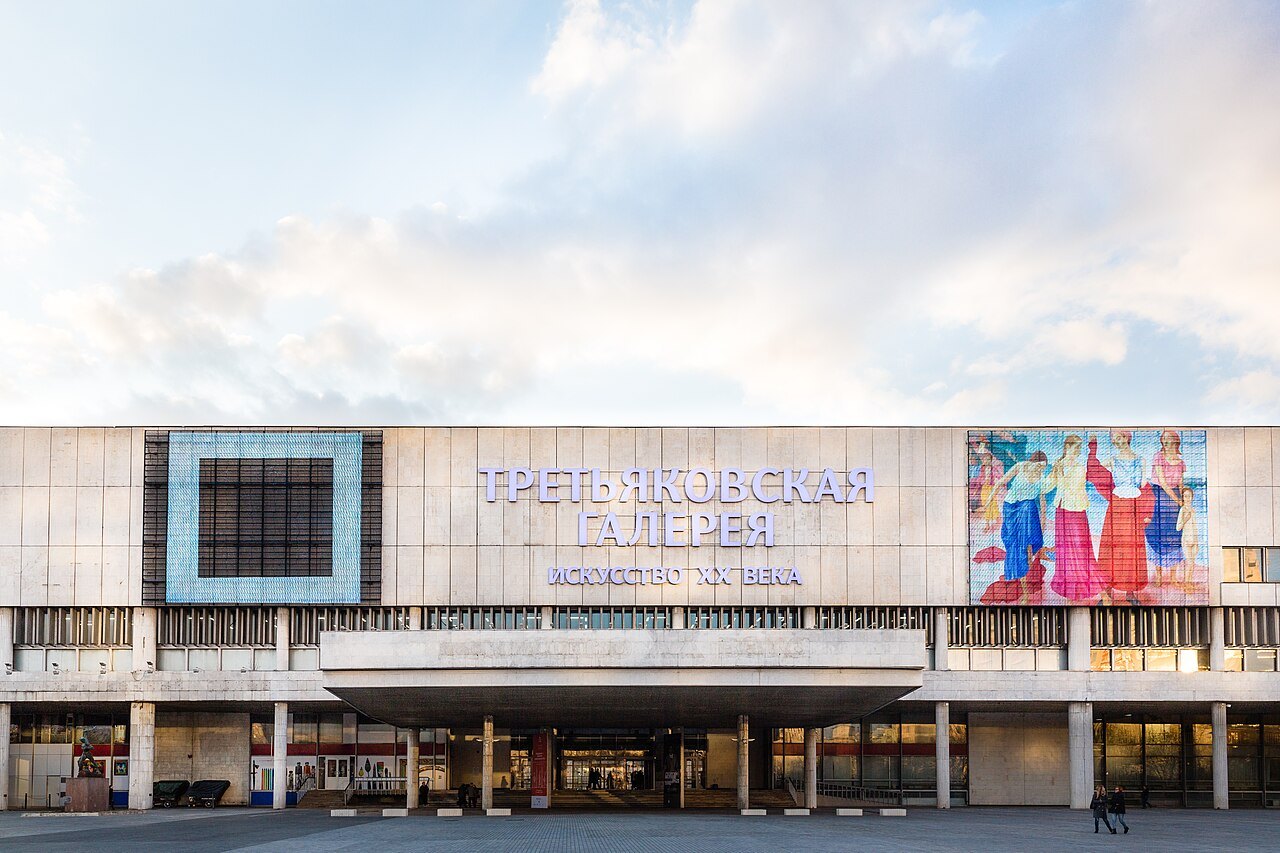
Malevich’s Black Square, Petrov-Vodkin’s Bathing of a Red Horse, work by Kandinsky, Chagall, Goncharova and Larionov, the model of Tatlin’s Tower. Next door: the Muzeon park of dismantled Soviet monuments.
The Museum of Music
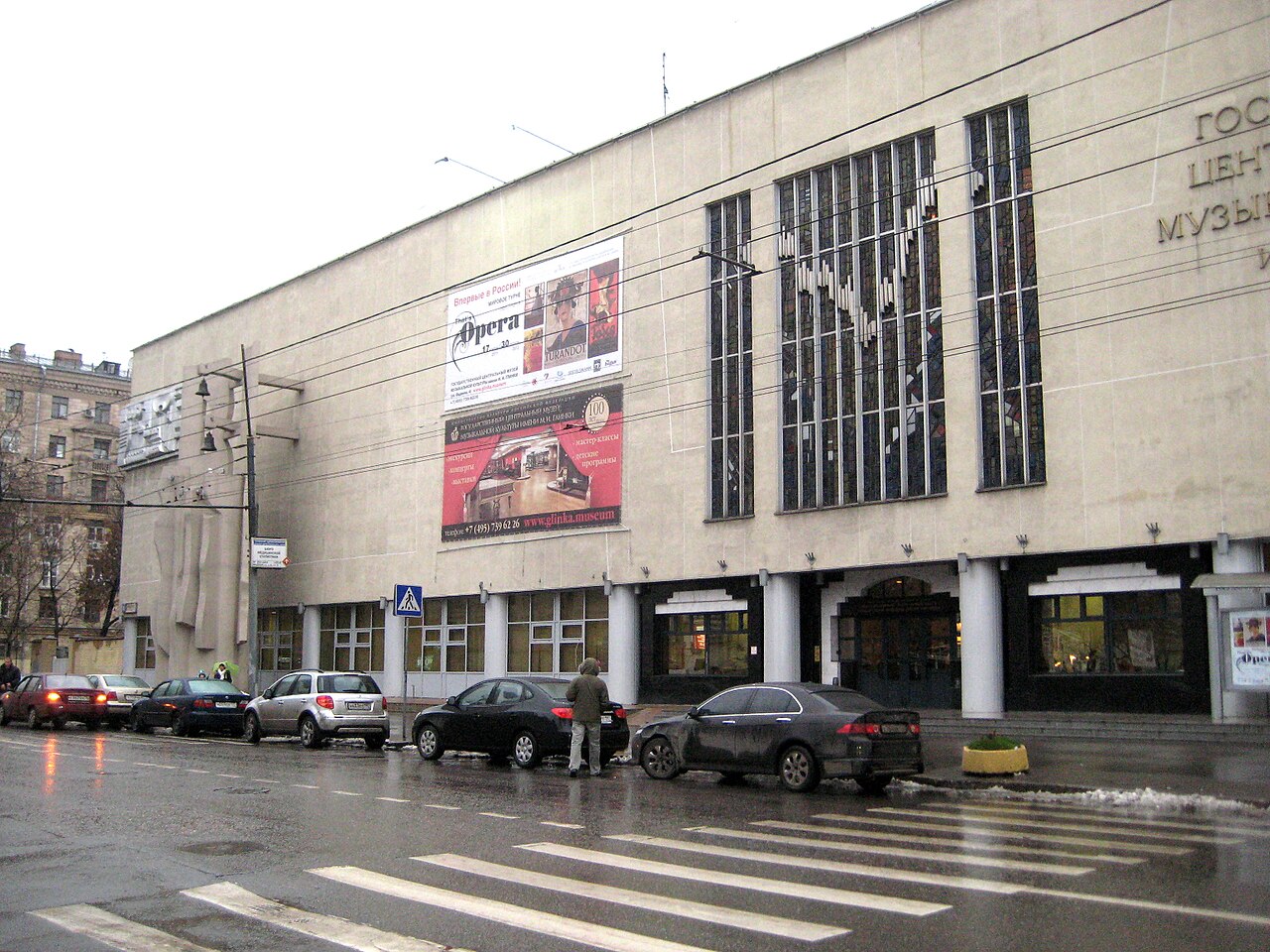
Instruments of the peoples of the world, from Russian gusli to the Japanese koto. The ANS synthesiser of Yevgeny Murzin, named with Scriabin’s initials. Autographs and manuscripts of Russian composers. The State Collection of stringed instruments, when it is in the museum.
Tolstoy in Khamovniki
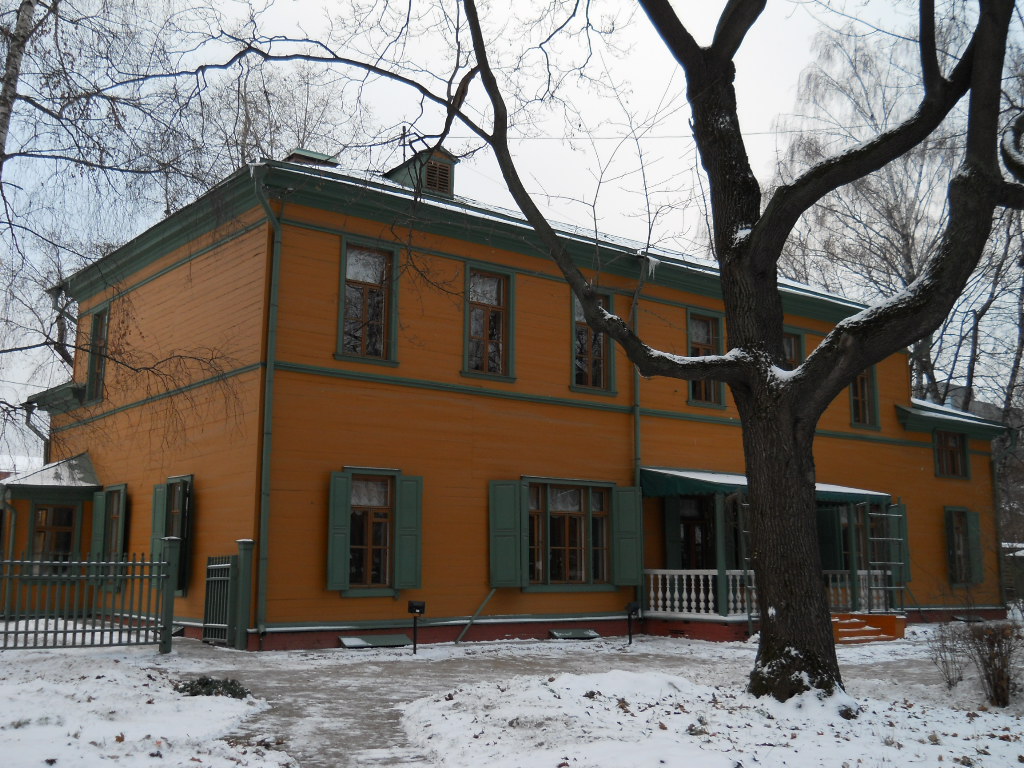
The study with its low chair, cut down to the short sight of its owner, and the writing table. Sofya Andreyevna’s room. The hall with the piano at which Taneyev and Rachmaninoff played. The cobbler’s bench — Tolstoy made his own boots. The garden, which has outlived the century along with the house.
The Museum of Decorative Art
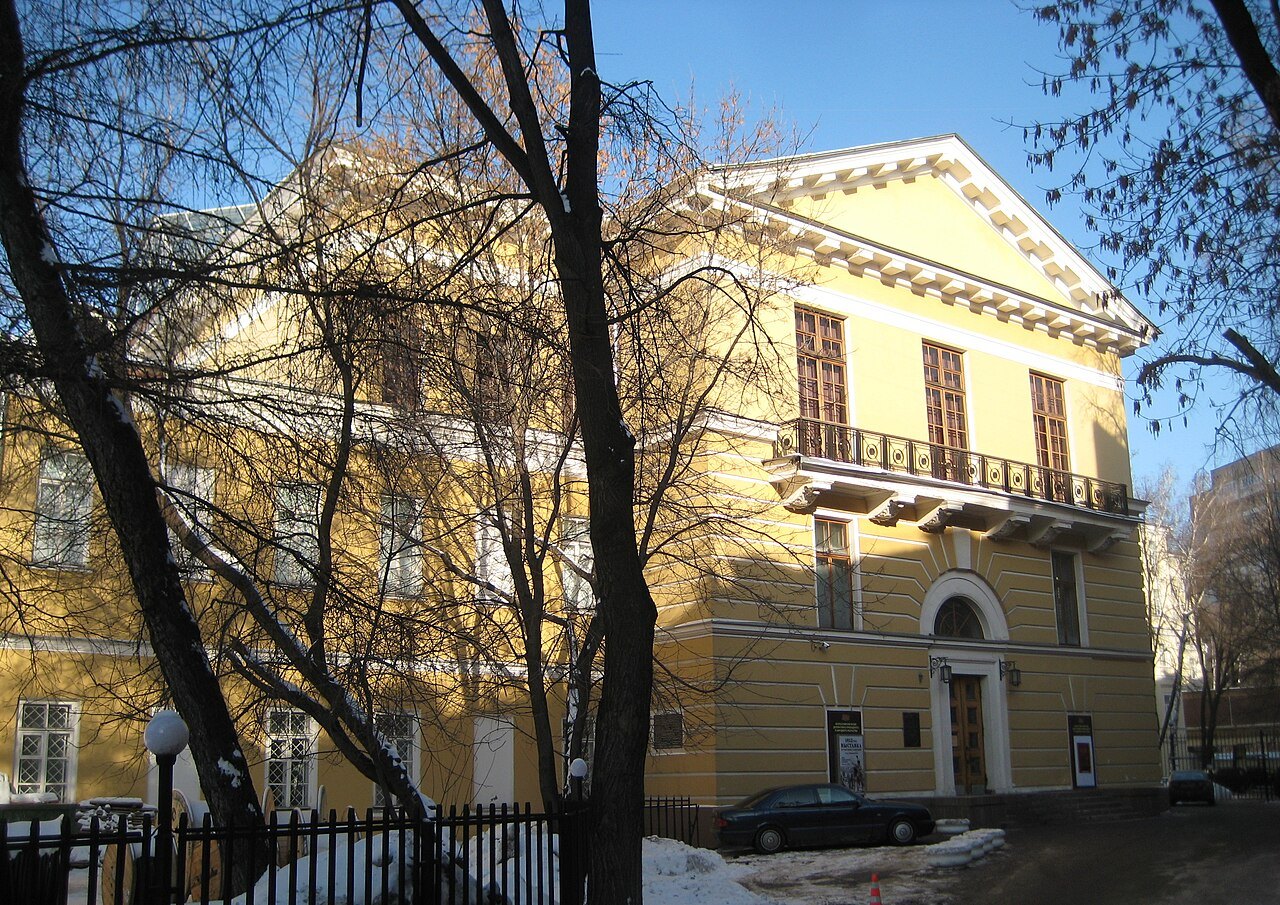
Lacquer miniature — Palekh, Fedoskino, Mstyora, Kholuy; Soviet propaganda porcelain; toys of the peoples of the world; embroidery and samovars.
The Tropinin Museum
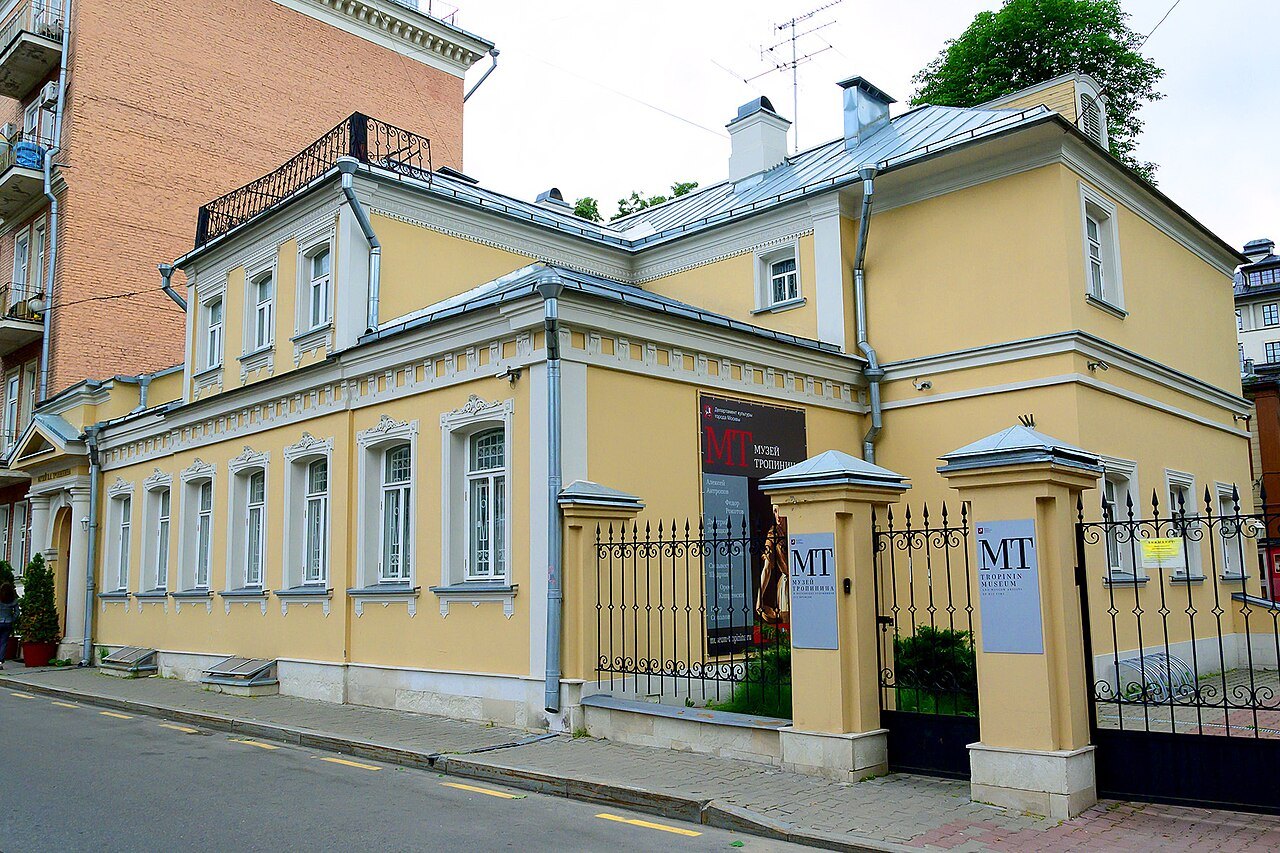
Portraits by Vasily Tropinin and his Moscow contemporaries, work by serf artists, Russian Biedermeier. The quiet Zamoskvorechye lane and the house itself are half the pleasure.
The Museum of the Russian Icon
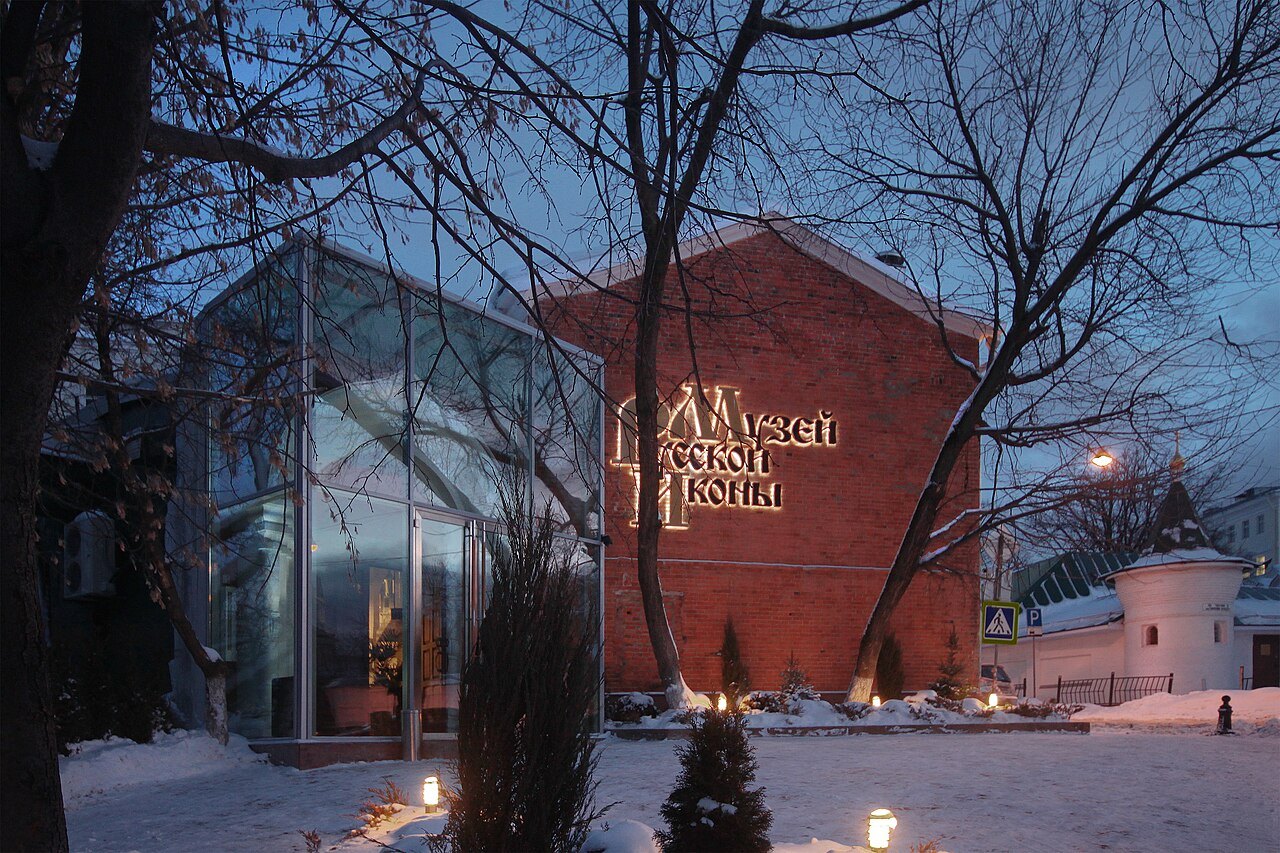
The Russian icon of the 14th to 20th century, from Novgorod panels to Old Believer painting; Ethiopian Christian art, the only such collection in Russia; a reconstructed iconostasis and post-Byzantine Greek icons.
The Vasnetsov House
The upper floor is the studio the house was built for: high ceilings, wide windows onto the yard and the garden. Viktor Vasnetsov painted the Bogatyrs and Sirin and Alkonost here. Both went long ago to Lavrushinsky Lane. What stayed is The Poem of Seven Fairy Tales — seven canvases of 1901–1926, from The Sleeping Princess to The Frog Princess. Beside them are icons and peasant costumes from his own collection. His brushes lie in a birchbark box on the work table. Downstairs, two rooms survive almost intact. The dining room and the drawing room keep their furnishing of the late nineteenth and early twentieth century: furniture to drawings by Vasnetsov and Yelena Polenova, family portraits by his own hand. In the yard, on the brick fire wall, is the mosaic Christ Enthroned after his design. It was set early in the twentieth century in Frolov’s St Petersburg workshop and moved here in the 1970s.
3 museums have no point set. They are not in this count.