Skip to content

Your browser is older than this page. The catalogue still reads here: the list, the filter and the cards all work. Your browser will mark filter choices with plain checkboxes, as best it can. Update your browser to see the page as it was built.

Museums near The Museum of Contemporary History

We do not ask your browser where you are. We collect no data about people. Place the point on the city map yourself — we will find the nearest museums that suit your preferences.

Distance
Filter
How much time
We count what is left today: from now — or from opening, if the museum has not opened yet — to the last admission. The closing hour is of no use for such a count: past the last admission nobody is let in. Where the last admission is not established we allow half an hour: erring towards «you will not make it» costs less than sending someone to a locked door.
When I go
We show those open on at least one of the days chosen. Today is Friday.
Who with
One thing is asked here: whether a child will find it interesting inside. The ease of the way and of the rooms is a question of another kind, and it stands under “Access”. In the entry this shows as a mark, and the age in the note beside it.
What to see
Access
The accessibility of a museum and the accessibility of the way to it are different things, and we keep them apart. It happens that everything inside is arranged faultlessly while the door itself cannot be reached in a wheelchair; it happens the other way round too.
How valuable
What sets it apart
Showing 46 museums

Drag the pin or press the map.

open nowclosed nowhours not known

Map — OpenStreetMap

Nearest museums · 46
House museums · since 1921

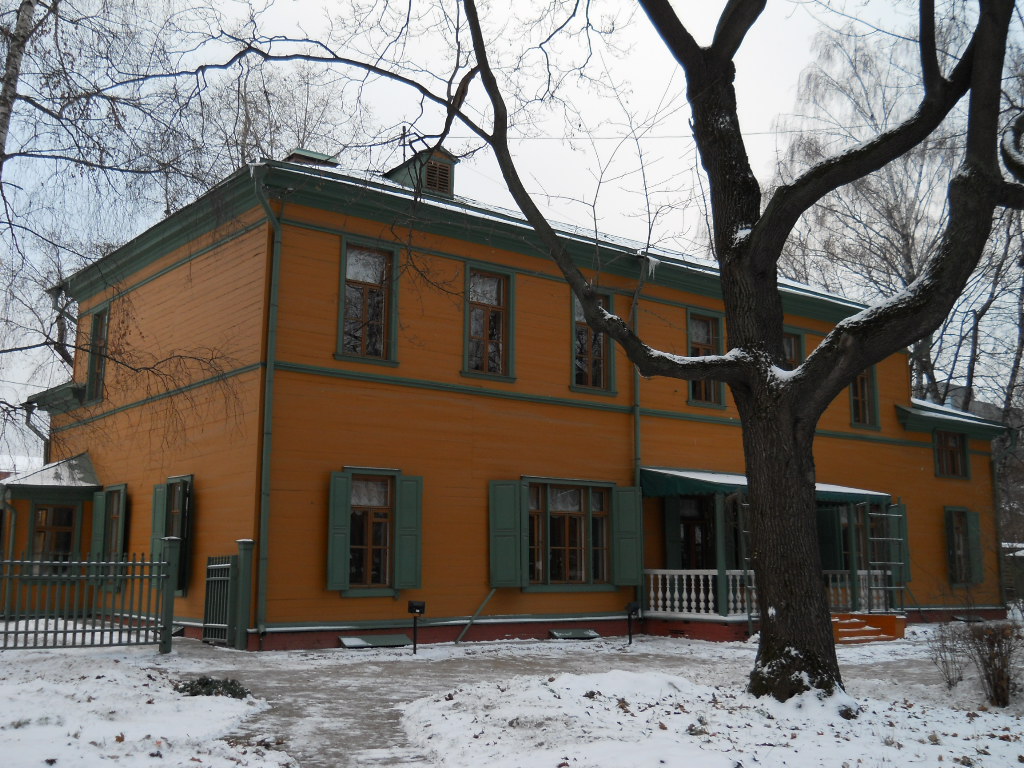
Tolstoy in Khamovniki

outstanding
Tolstoy in Khamovniki
Shuvaev, CC BY-SA 3.0 · Wikimedia Commons
A house in which nothing was reconstructed: the furnishings are its own, the objects are the family’s, and their placing follows an inventory taken while the owners were alive. There is no electric light here and never was — Tolstoy refused it on principle, so the rooms are lit as they were in his time, which for a house museum is almost unheard of. Anyone who has been to Carlyle’s House in Chelsea knows the effect and will find it carried further here: there the gas fittings survive, here there is nothing but daylight and a lamp. The literary display on Prechistenka answers the question of what he wrote; here the question answered is how he lived — and in his case that is the subject.

The study with its low chair, cut down to the short sight of its owner, and the writing table. Sofya Andreyevna’s room. The hall with the piano at which Taneyev and Rachmaninoff played. The cobbler’s bench — Tolstoy made his own boots. The garden, which has outlived the century along with the house.

3.7 km from here · Lva Tolstogo Street 21 ·
· No. 62
Art · since 1969

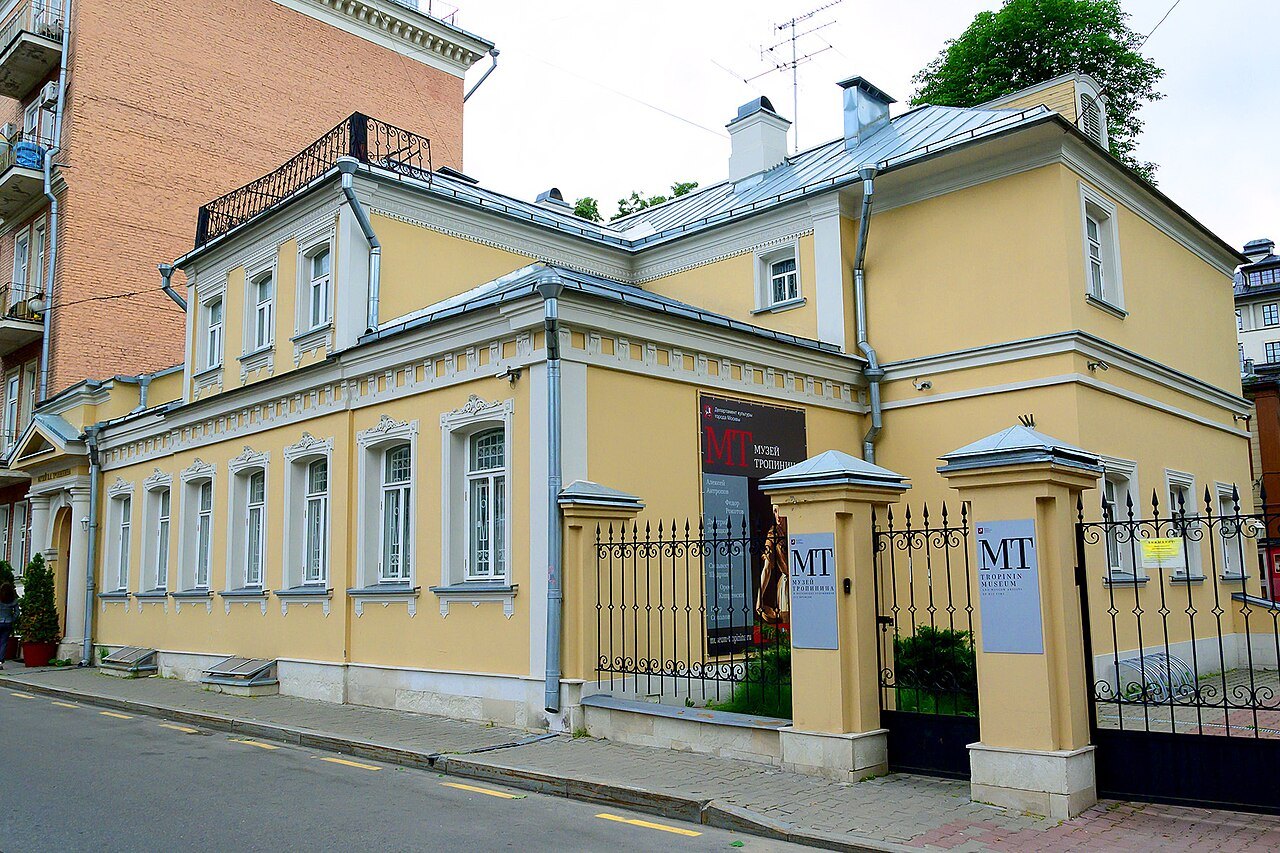
The Tropinin Museum

significant
The Tropinin Museum
Andrei Raikin, Alexei Sidelnikov, Andrei Lobanov, CC BY 3.0 · Wikimedia Commons
The Moscow portrait of the first half of the 19th century is nowhere else so densely gathered. The value is also in the origin: Vishnevsky’s private collection given to the city, a model of how Russian museums came to be.

Portraits by Vasily Tropinin and his Moscow contemporaries, work by serf artists, Russian Biedermeier. The quiet Zamoskvorechye lane and the house itself are half the pleasure.

3.8 km from here · Shchetininsky Lane 10, bldg 1 · ·
· No. 31
Unusual · since 2009

The Chocolate Museum

niche
The Chocolate Museum
An industrial tour rather than a museum: the value is the walk into the working shop and the history of Einem. As a collection it is next to nothing, and we do not hide that.

A walk into the working shop where sweets are wrapped in front of you; the history of Einem and Krasny Oktyabr in original wrappers and advertising.

4.3 km from here · Malaya Krasnoselskaya 7 (entrance from Lobachika 1, bldg 1) · ·
· No. 41
Unusual · since 1894

The Bakhrushin Museum

outstanding
The Bakhrushin Museum
Alxklg1, CC0 · Wikimedia Commons
A collection begun in 1894 by one private man and grown into the largest theatre collection in the world — so the museum reckons it, and it is hard to dispute: a million and a half items. Its value is completeness: Russian theatre can be followed here in sequence, from the serf stage to the present, rather than by isolated stars. The V&A holds the national theatre archive of Britain and shows it magnificently; the difference is that there the Russian line is a guest and here it is the whole subject. The designs by Golovin, Bakst, Korovin and Exter are, incidentally, first-rate painting — they merely happen to be filed under theatre. The main building reopened after a long restoration in 2024, and the make-up of the permanent display is worth checking before setting out.

Designs for sets and costumes by Golovin, Bakst, Korovin, Exter and Tatlin. Costumes and possessions of the great actors. Stage models. The archives of theatres and directors. Bakhrushin’s own house, built for the collection.

4.4 km from here · Bakhrushina Street 31/12
· No. 66
History · since 1991

The Museum of Patrons

for enthusiasts
The Museum of Patrons
Kotofey2016, CC BY-SA 4.0 · Wikimedia Commons
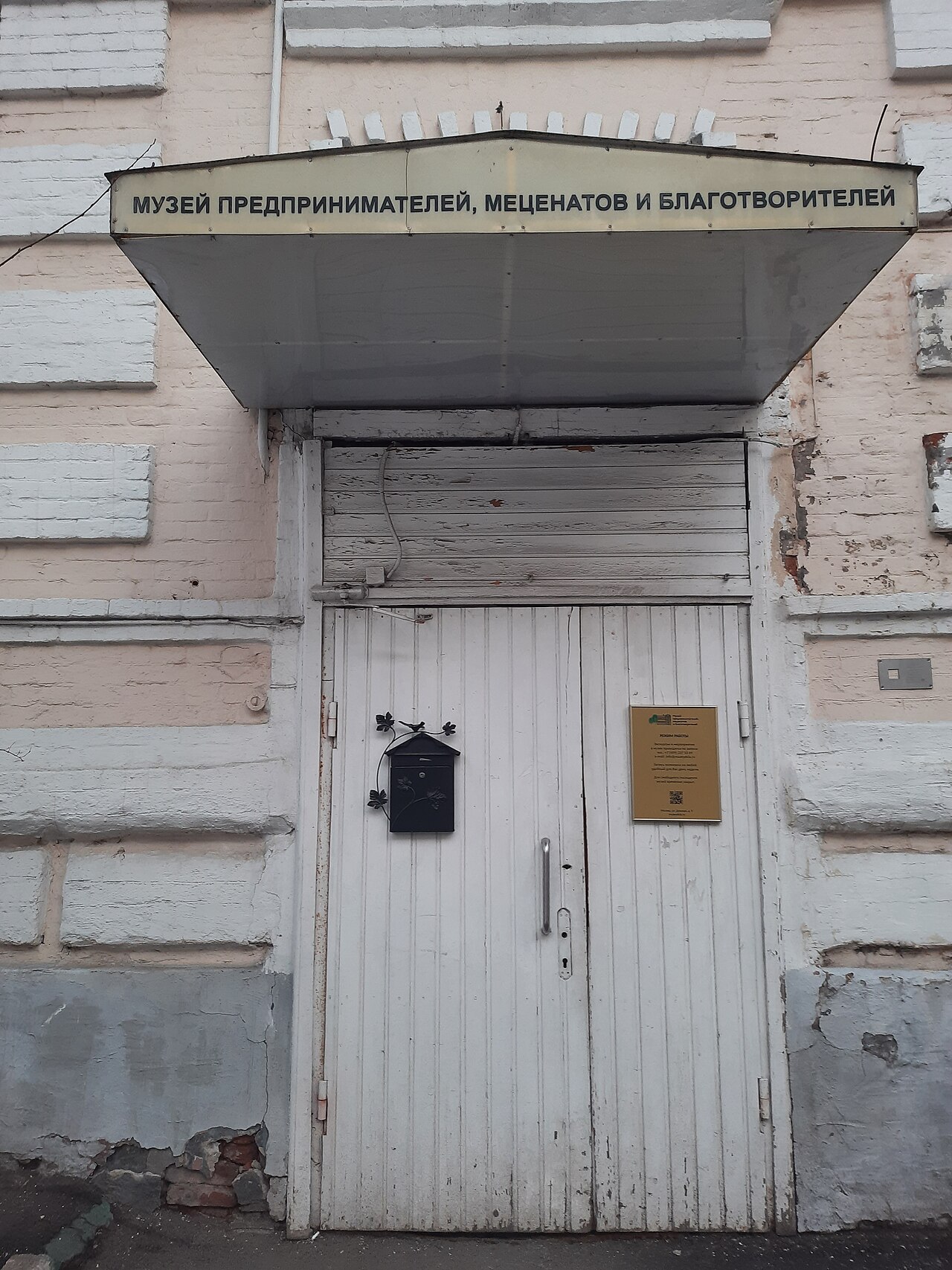
The only museum about where the Tretyakov Gallery, the Bakhrushin, the Shchukin and Morozov collections came from: about the people who paid for them. The subject runs through our whole list and is gathered nowhere else. What the Courtauld is to Britain — a private eye and a private purse turned into a public institution — the Moscow merchants were to Russia, several times over and within one generation. The rating is honest and not high: this is a private educational centre in an old merchant house, the holding is documentary and small, and there is no free entry at all, only by appointment. Come here after the great museums, having asked yourself whose money they stand on.

Documents, portraits and belongings of the Moscow merchantry of the nineteenth century. Material on the Tretyakov, Morozov, Bakhrushin and Shchukin dynasties. The house of Ivan Prostyakov, in which the museum lives.

4.6 km from here · Donskaya Street 9 · ·
· No. 79
Art · since 1947

The Rublev Museum

outstanding
The Rublev Museum
Pegushev, CC BY-SA 3.0 · Wikimedia Commons
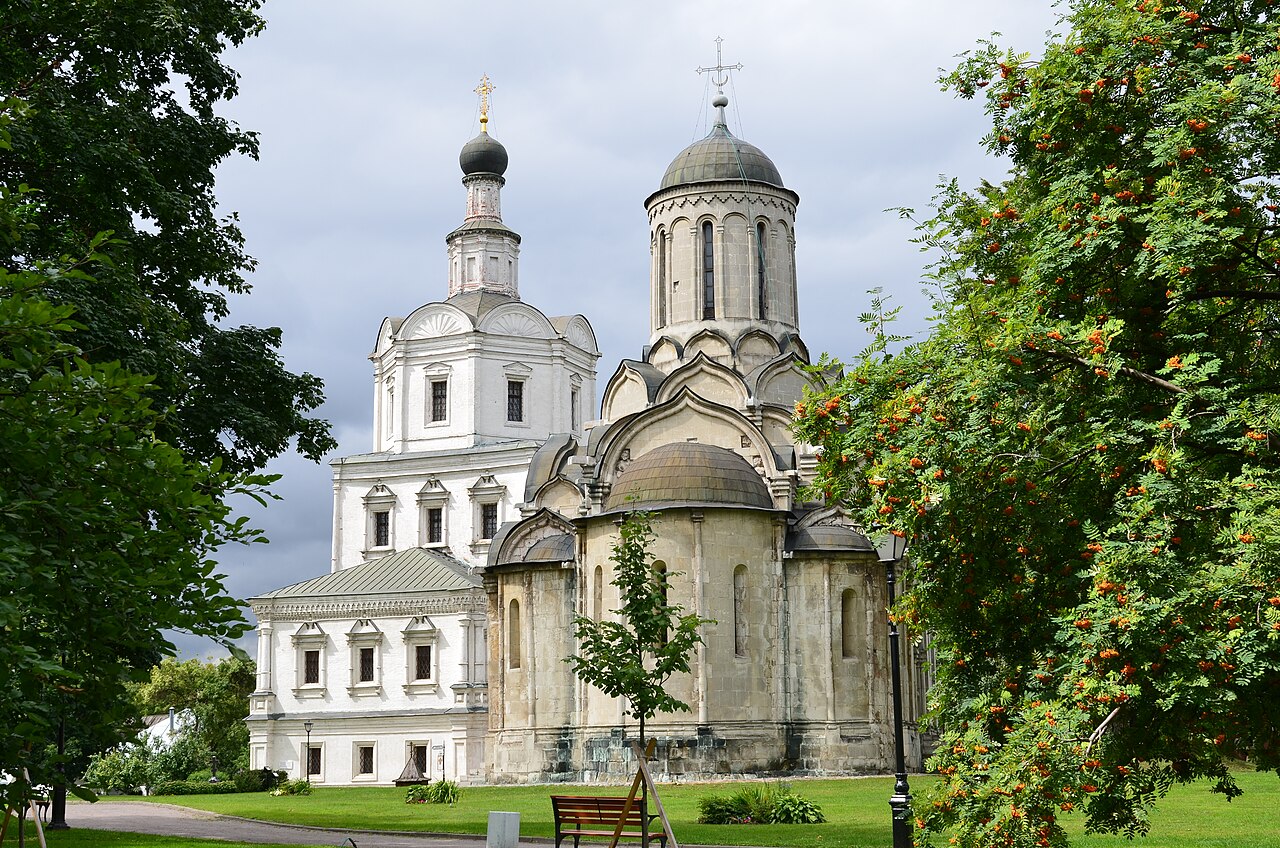
The third collection of Russian icons after the Tretyakov and the Russian Museum, and the only one built as a museum of one subject: here the icon does not stand in a row of Russian art but is explained in itself, from the board and the gesso to the iconography. The holding was formed from things brought out by the museum’s expeditions from closed and ruined churches, and its value is the completeness of the line rather than single stars: famous names are almost absent, but the sequence runs unbroken from the thirteenth century to the seventeenth. In Britain icons are met in ones and twos, in Byzantine rooms and in the trade; a museum where the subject has a building of its own does not exist there. The monastery’s Saviour Cathedral, in which all this stands, is the oldest surviving building in Moscow.

Icons of the thirteenth to seventeenth centuries, gathered by the museum’s own expeditions. Royal doors and whole iconostasis sets. Fragments of wall painting. The Saviour Cathedral of the 1420s — the oldest building in Moscow, with remains of ornamental painting associated with Rublev.

4.7 km from here · Andronyevskaya Square 10 · ·
· No. 61
Architecture and estates · since 1524

Novodevichy Convent

outstanding
Novodevichy Convent
Ivtorov, CC BY-SA 4.0 · Wikimedia Commons
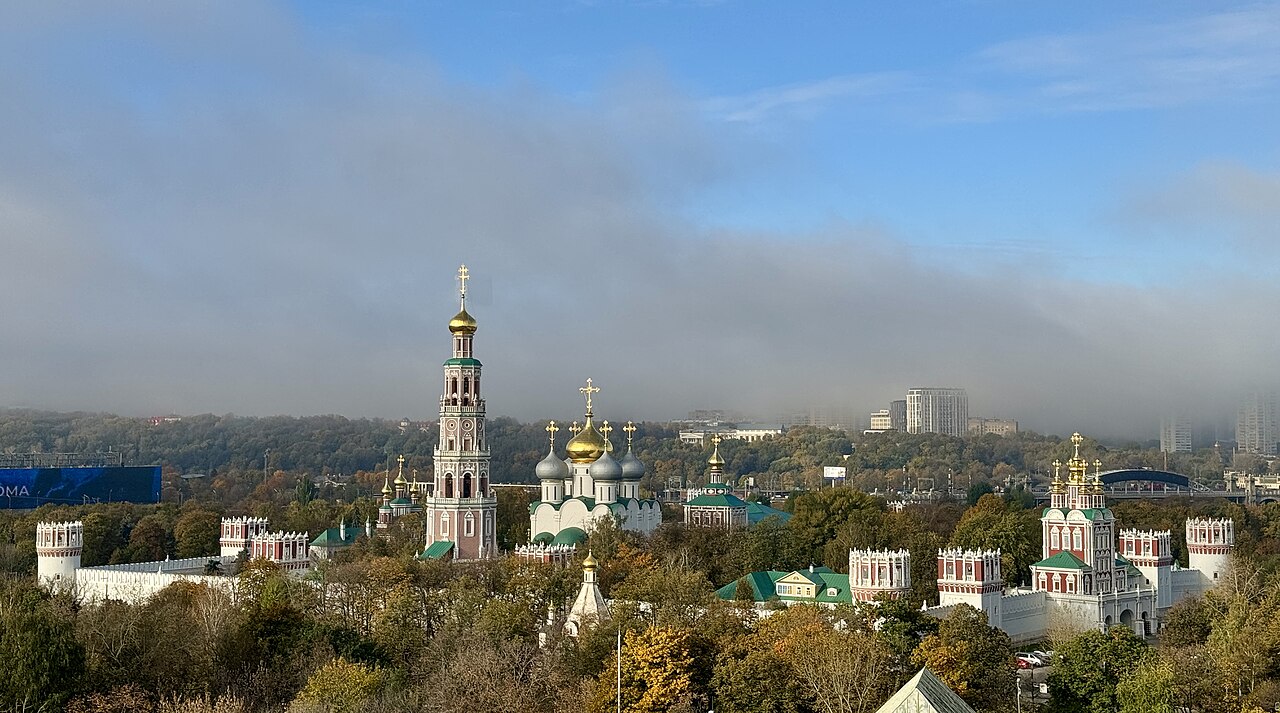
After Kolomenskoye the second building of Moscow on the World Heritage list, and for wholeness of ensemble the first: a convent of the late seventeenth century has come down almost without rebuilding — walls, towers, gate churches, refectory. The Smolensk Cathedral of 1524 keeps sixteenth-century frescoes in their places and an iconostasis of a kind of which Moscow has two or three. What is not here is a museum in the ordinary sense: this is a working convent with a museum display, and what is open changes from season to season.

The Smolensk Cathedral of 1524 with its sixteenth-century wall painting and iconostasis. The walls and towers of the late seventeenth century — Moscow Baroque entire. The burial ground: Denis Davydov, Sergei Solovyov, and Chekhov before he was moved.

5.3 km from here · Novodevichy Proyezd 1
· No. 75
Science and nature · since 1993

The Water Museum

for enthusiasts
The Water Museum
Architect: Max Hoeppener. Photo: NVO, CC BY-SA 3.0 · Wikimedia Commons
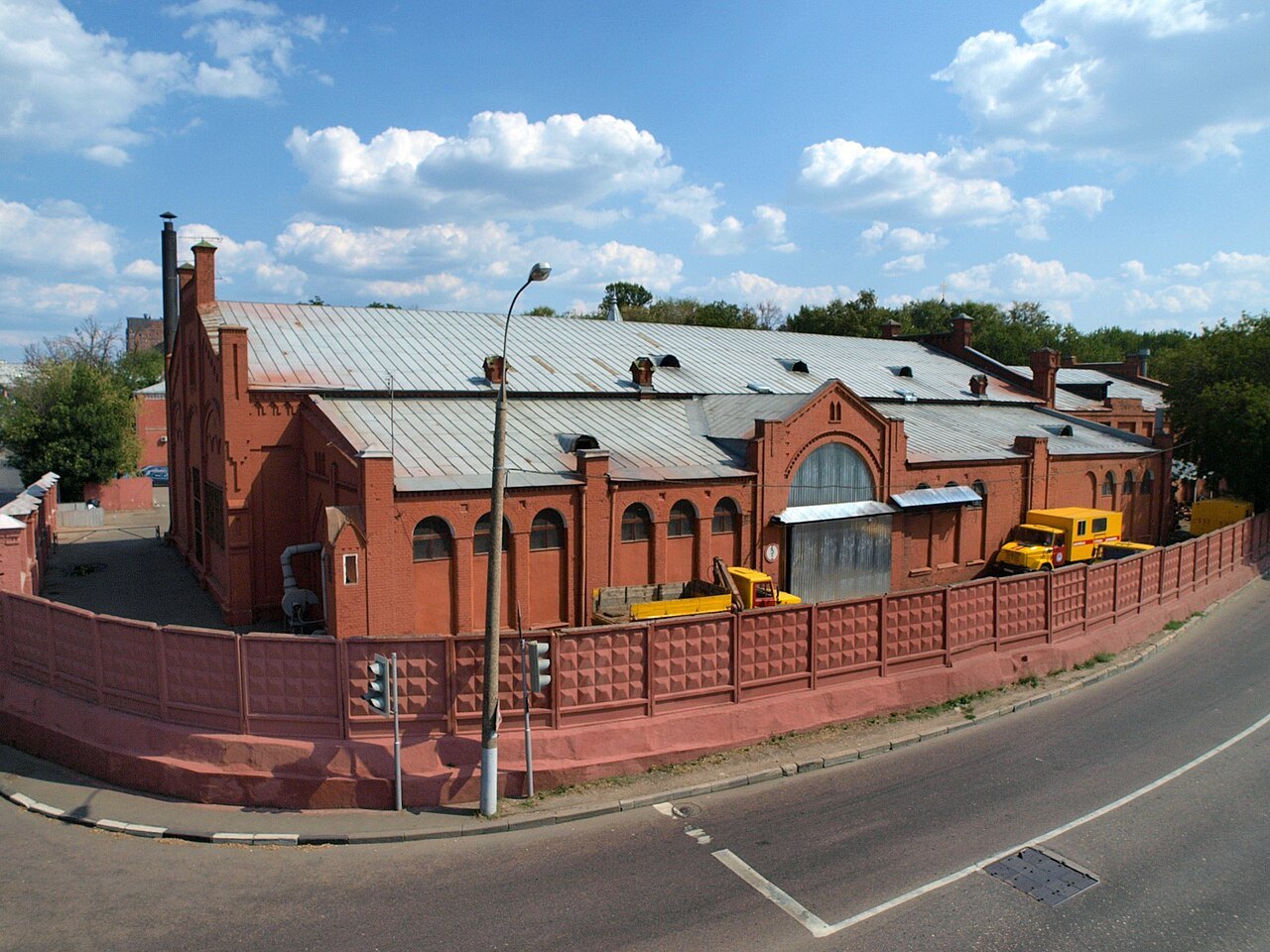
A departmental museum with working models of city infrastructure — an almost extinct genre. Worth seeing for anyone curious about how the city works underground; there is nowhere else in Moscow for that.

Working models of waterworks, from the Rostokino aqueduct to the present treatment plants; the history of the Moscow sewer in drawings and photographs.

5.3 km from here · Sarinsky Proyezd 13 · ·
· No. 39
Science and nature · since 1716

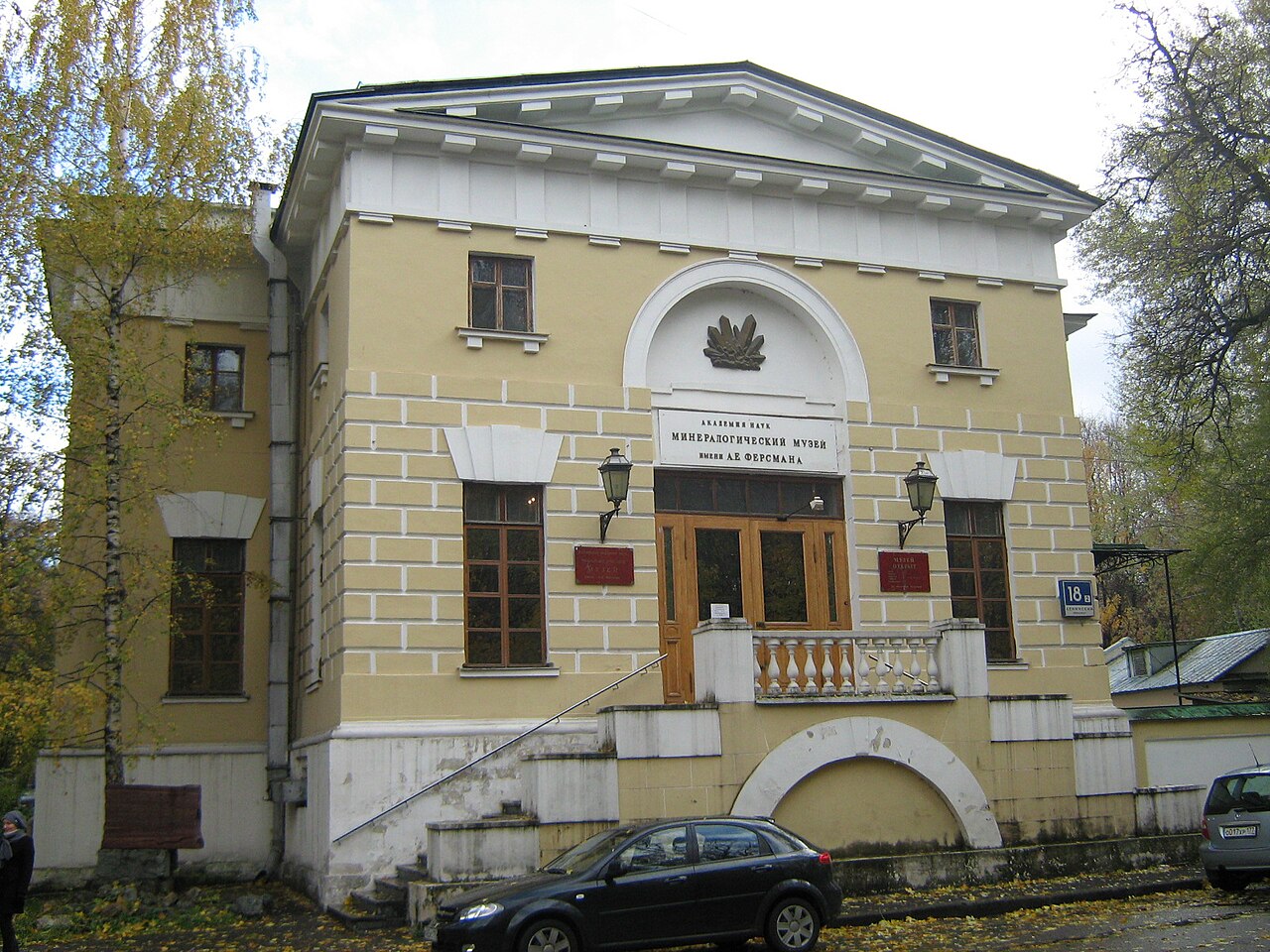
The Mineralogical Museum

outstanding
The Mineralogical Museum
Anton Cherny, public domain · Wikimedia Commons
A collection more than three hundred years old: it grew out of the mineral cabinet of Peter’s Kunstkamera and moved to Moscow with the Academy of Sciences. Some hundred and forty thousand specimens make it one of the largest mineralogical museums in the world, and for the systematics of stone it has no equal in Russia. The Vault at South Kensington shows a few dozen chosen stones magnificently; the point here is the opposite — the whole class, in order, with the ordinary specimen beside the extraordinary one, which is what a systematic collection is for. Come knowing that this is a scientific museum and not an entertaining one: cases, labels, no screens. Anyone who wants the telling needs a guided tour, and it must be booked ahead.

The systematic collection — the whole known mineral world by class. Ural malachite and rhodonite from the old crown holdings. Meteorites. Hardstone work by Fabergé and the Peterhof lapidary works. Large specimens of a size only museums of this age possess.

5.4 km from here · Leninsky Prospekt 18, building 2 · ·
· No. 63
Military history · since 1962

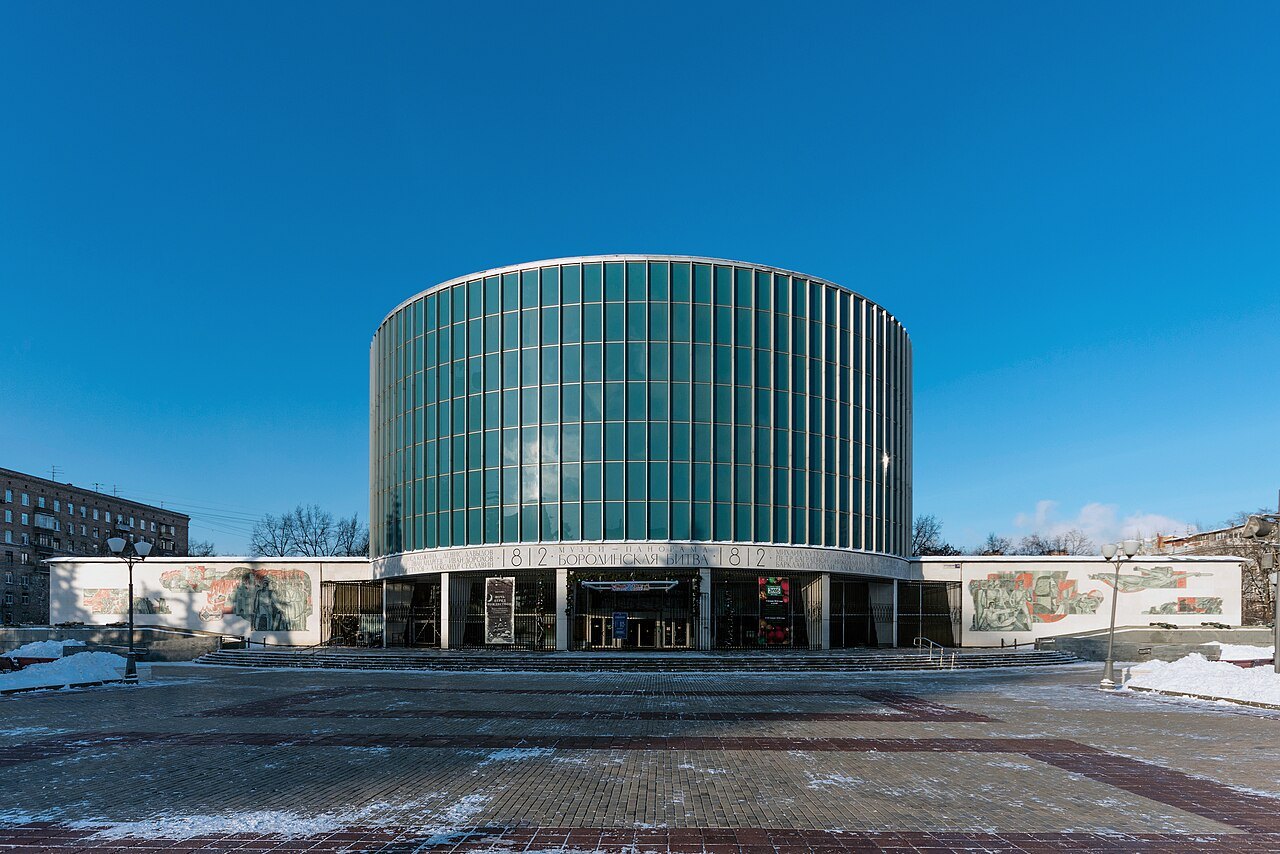
The Borodino Panorama

significant
The Borodino Panorama
Florstein (Telegram:WikiPhoto.Space), CC BY-SA 4.0 · Wikimedia Commons
Roubaud’s panorama is one of the few survivors of a genre that was the summit of 19th-century visual culture and has almost entirely vanished. The value lies in the machinery of the spectacle, not in the subject: this is how people looked before cinema.

Franz Roubaud’s Borodino panorama of 1912: 115 metres of canvas in the round, 15 metres high. Next door, the Kutuzov hut where on 1 September 1812 the council of war decided to abandon Moscow.

5.8 km from here · Kutuzovsky Prospekt 38, bldg 1 · ·
· No. 9

5 museums have no point set. They are not in this count.