Museums near The Museum of Cryptography
We do not ask your browser where you are. We collect no data about people. Place the point on the city map yourself — we will find the nearest museums that suit your preferences.
The Armoury Chamber
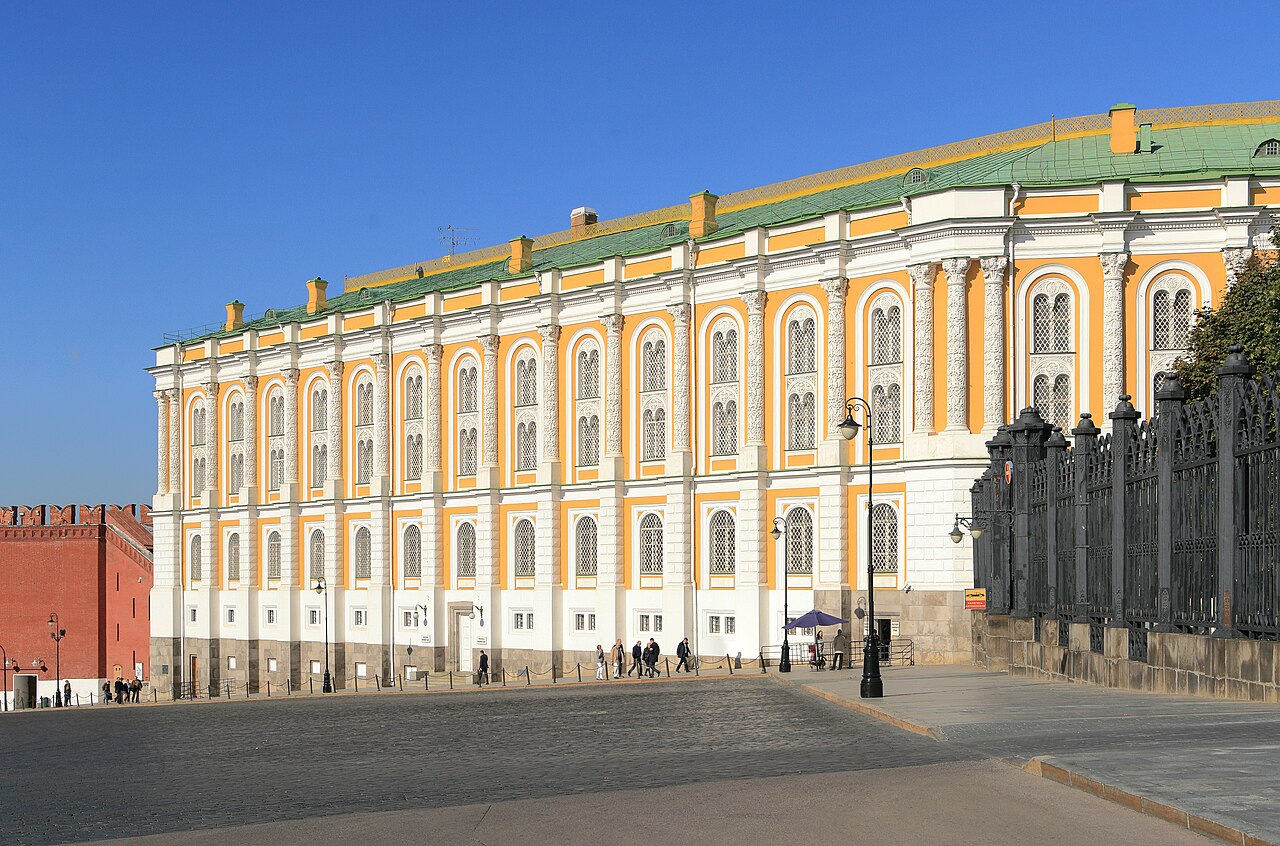
The Cap of Monomakh and the double throne of the boy tsars Ivan and Peter. Tudor and Stuart silver, a holding with no equal anywhere. Fabergé Easter eggs. Icon covers, panagias and chalices of pre-Mongol Rus. The carriage rooms: coronation coaches of the eighteenth century.
The Old English Court
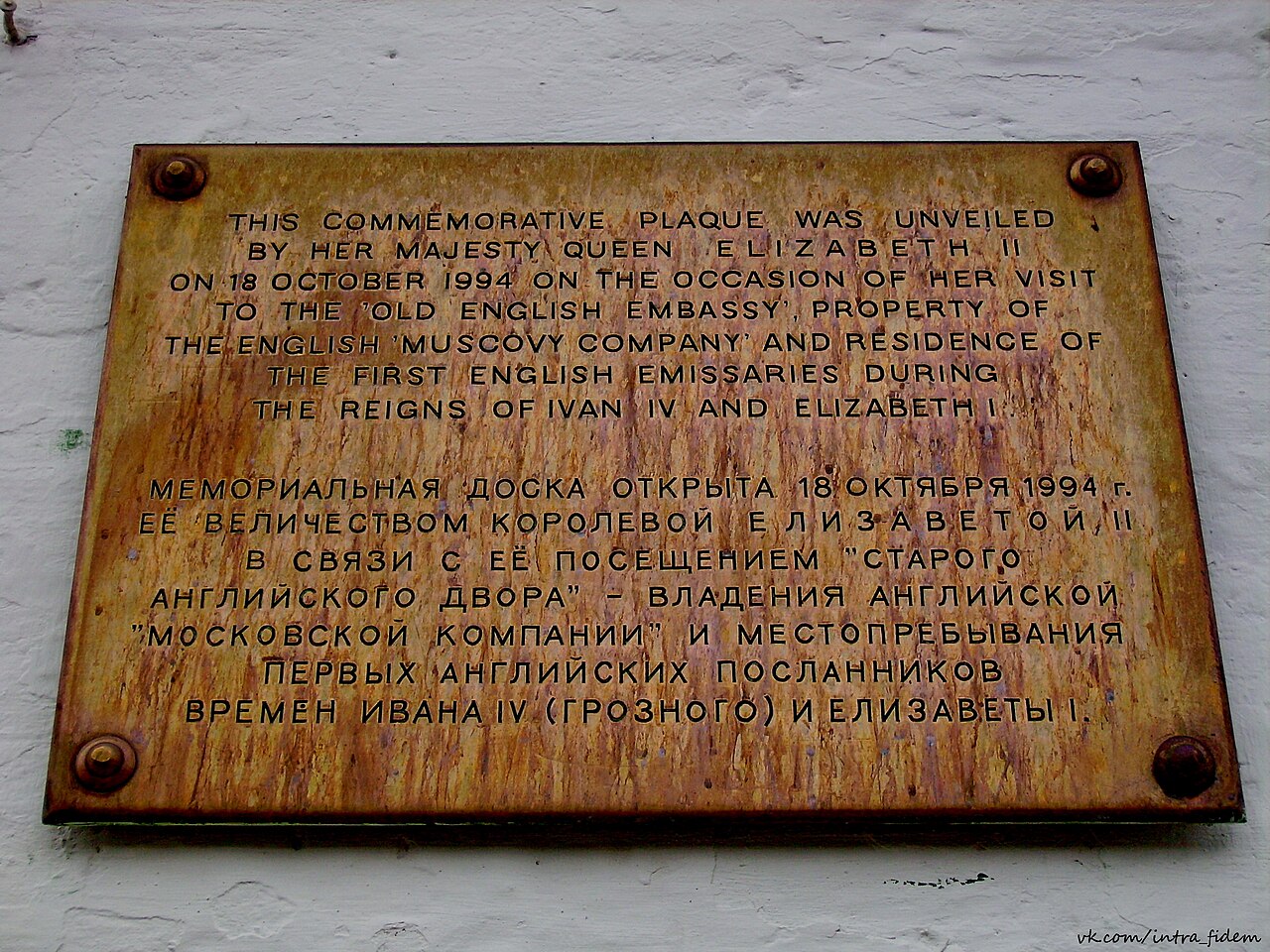
The Treasury Chamber with its 16th–17th-century interior and the original vaults; the display on Russian–English trade and finds from the Zaryadye digs.
And we came to the Mosco the 4. day of October, and were lodged that night in a simple house: but the next day we were sent for to the Emperour his secretarie…
The Scriabin Museum
The Bechstein grand at which the last works were written. The study and the library with the owner’s markings. The colour score of Prometheus and the colour-light apparatus assembled to his design. A concert hall in the same house.
The Romanov Chambers
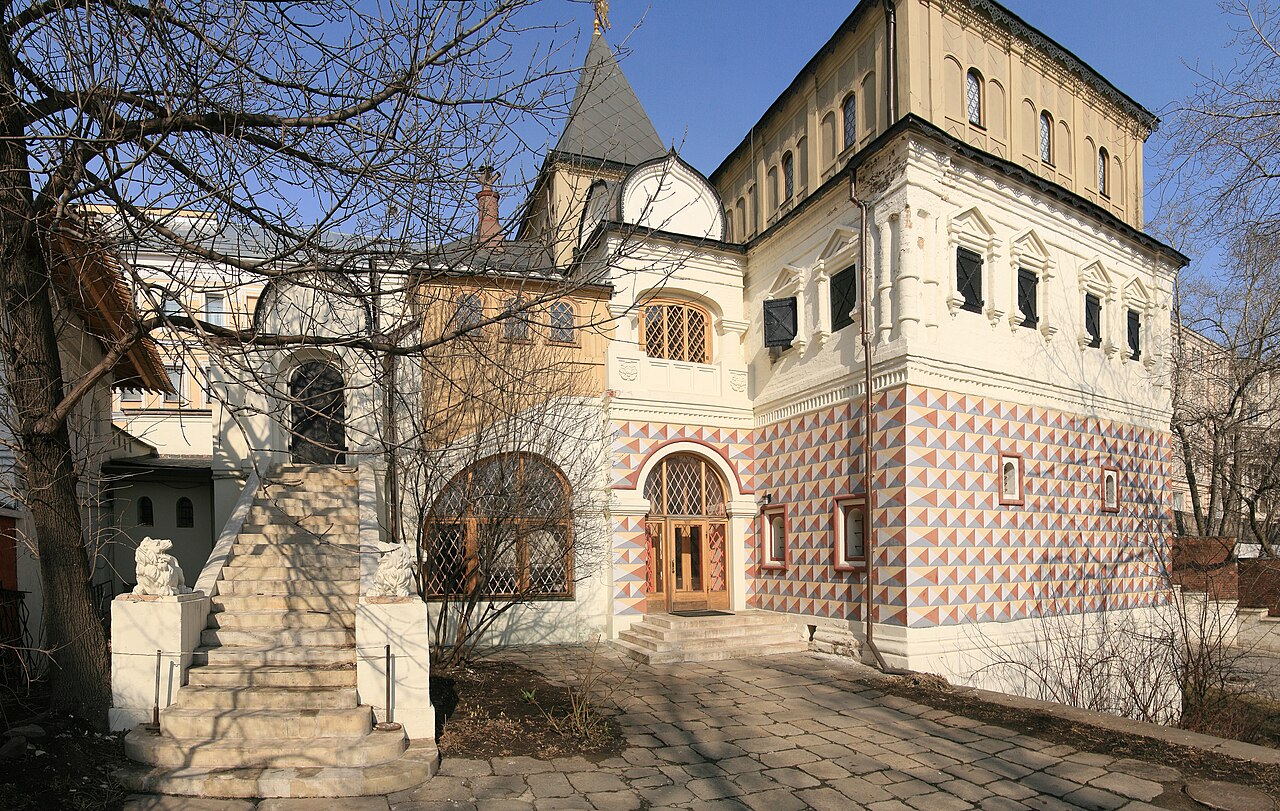
The sixteenth-century undercroft, the one genuine part of the building. The interiors recreated by Richter in the 1850s: the dining chamber, the boyarynya’s room, the light room. Tiled stoves, chests, vessels and textiles of the seventeenth century.
The Kremlin Cathedrals
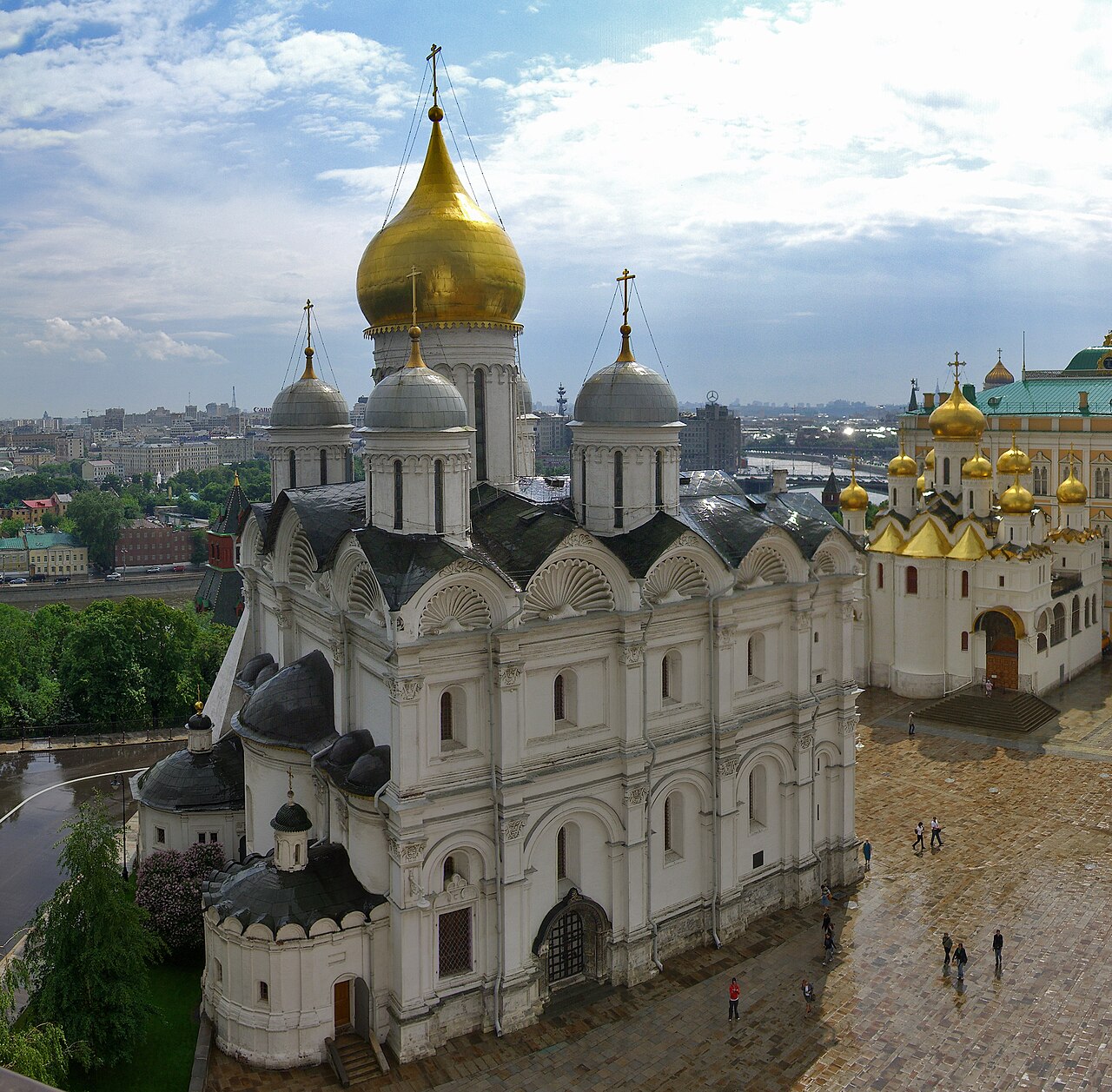
The deesis tier of the Annunciation Cathedral. The frescoes of the Dormition Cathedral, 1642–1644, and its iconostasis; there too the oldest icons, brought to Moscow as the lands were gathered in. The tombs of the Moscow princes and tsars in the Archangel Cathedral, painted 1652–1666. The Patriarch’s Palace: applied art and the household of the seventeenth century.
The Mosco it selfe is great: I take the whole towne to bee greater then London with the suburbes: but it is very rude, and standeth without all order. […] There is a faire Castle, the walles whereof are of bricke, and very high…
The Pushkin Museum of Fine Arts
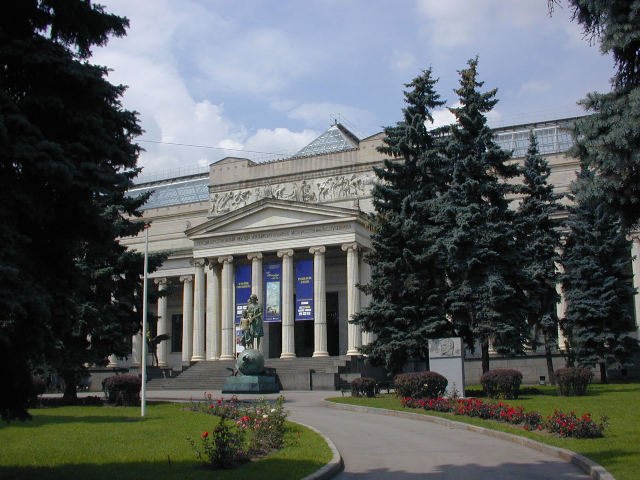
The teaching collection of plaster casts after antique and Renaissance sculpture — Tsvetaev’s idea, unmatched for completeness; the Fayum portraits; objects from Priam’s Treasure found by Schliemann at Troy; the Egyptian collection. The French 19th–20th century is in the Gallery at Volkhonka 14, on a separate ticket.
The Pushkin Museum on Prechistenka
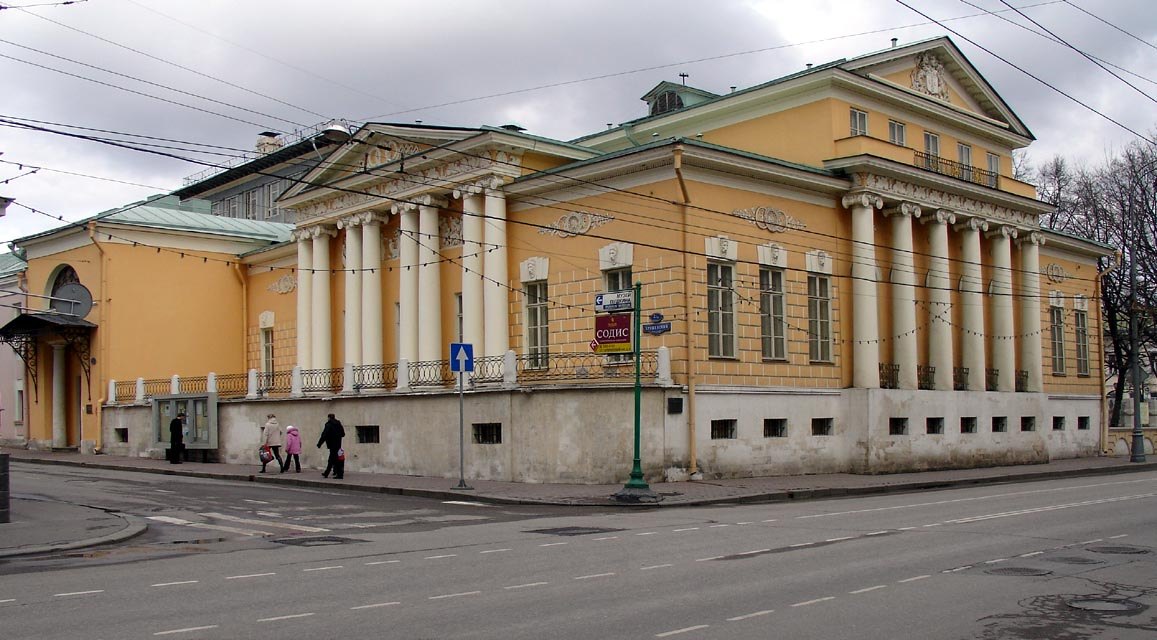
The permanent displays Pushkin and His Age (fifteen rooms of the manor house) and Pushkin’s Fairy Tales; first editions, portraits of his circle, everyday objects of the early 19th century.
The Tolstoy Museum on Prechistenka
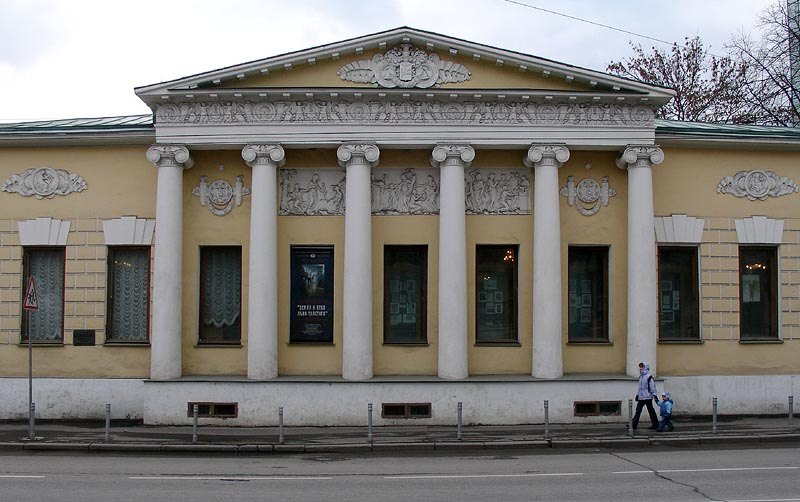
Manuscripts in Tolstoy’s hand, first editions, portraits and photographs of the writer and his family. The display follows the books, from Childhood to Resurrection.
The Museum of the Russian Icon
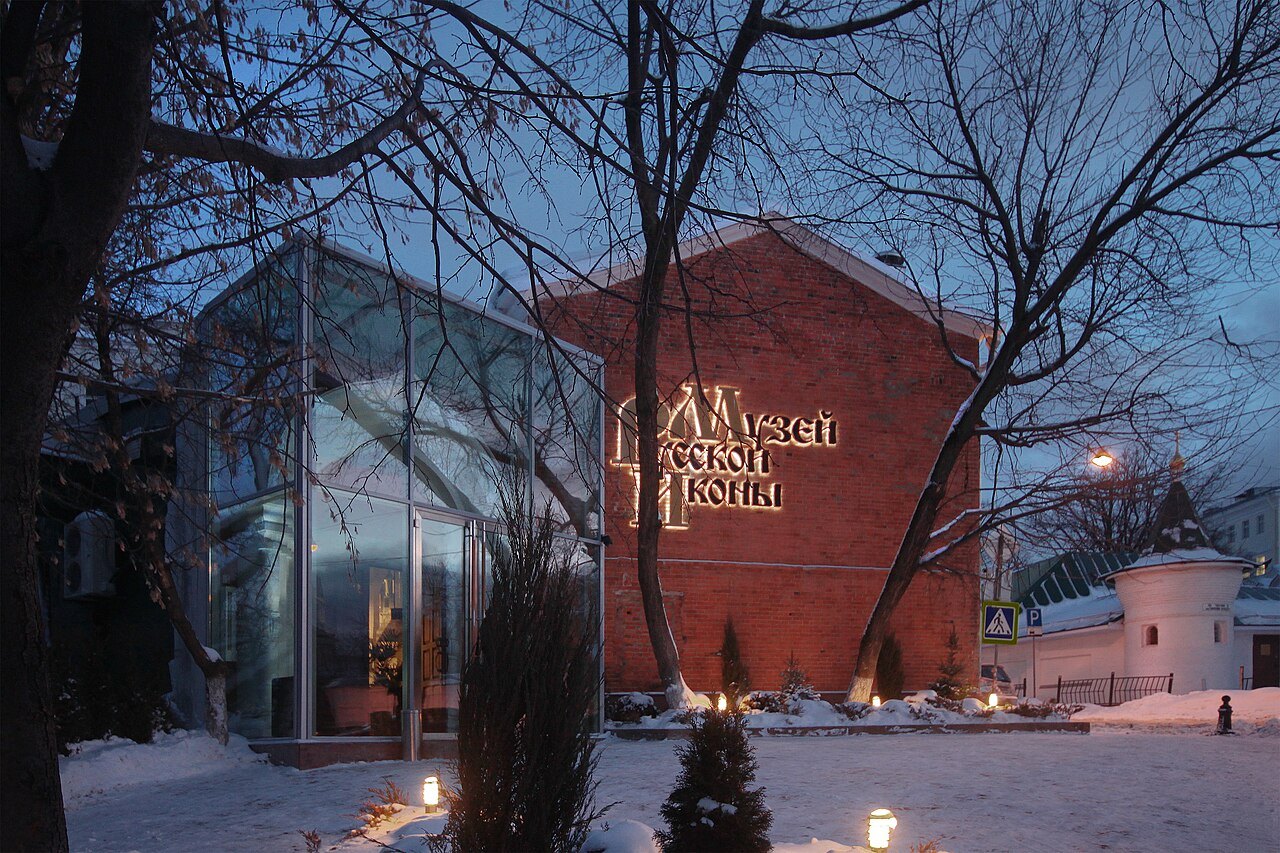
The Russian icon of the 14th to 20th century, from Novgorod panels to Old Believer painting; Ethiopian Christian art, the only such collection in Russia; a reconstructed iconostasis and post-Byzantine Greek icons.
The Tretyakov on Kadashevskaya
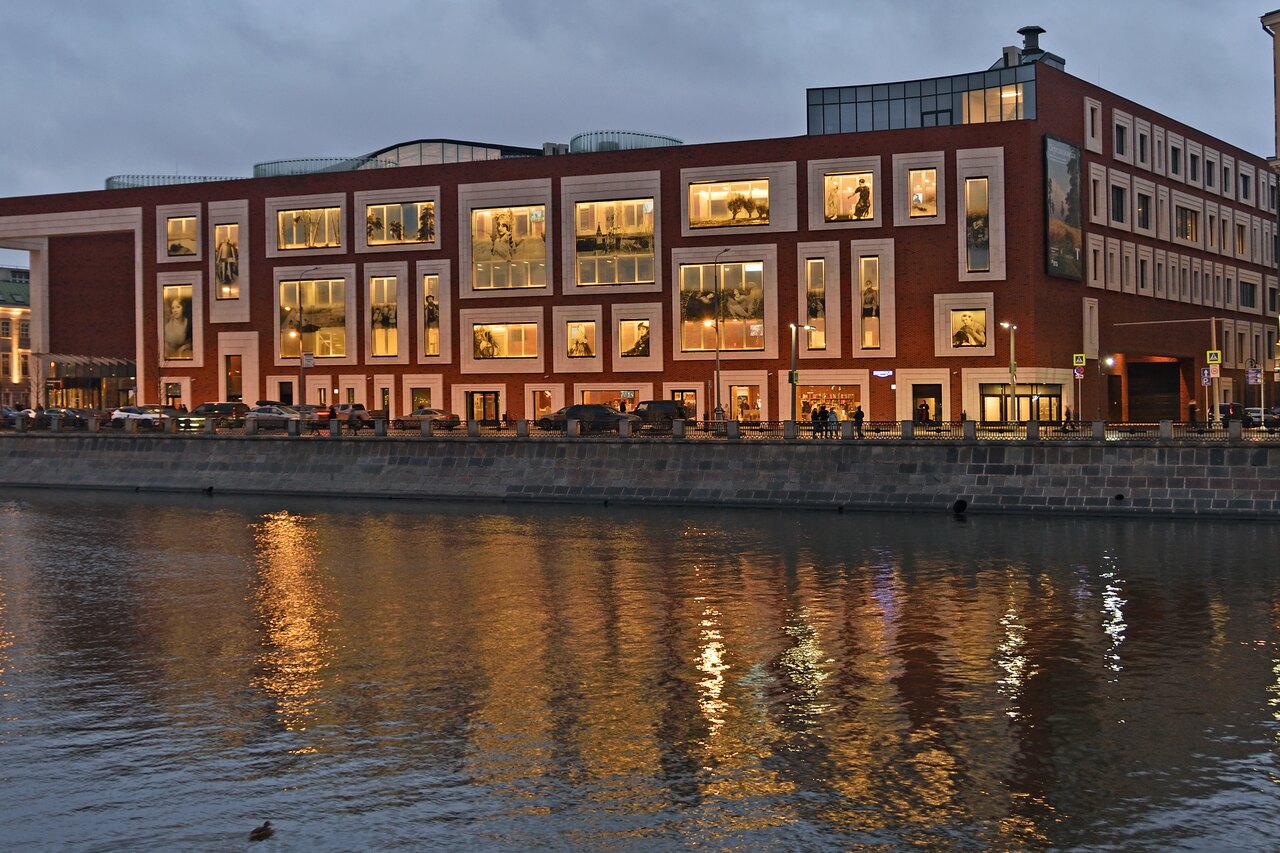
There is no permanent collection — this is an exhibition wing. See the atrium, open without a ticket, and the façades: they carry reproductions of 34 works by Russian artists.
5 museums have no point set. They are not in this count.