Your browser is older than this page. The catalogue still reads here: the list, the filter and the cards all work. Your browser will mark filter choices with plain checkboxes, as best it can. Update your browser to see the page as it was built.
We do not ask your browser where you are. We collect no data about people. Place the point on the city map yourself — we will find the nearest museums that suit your preferences.
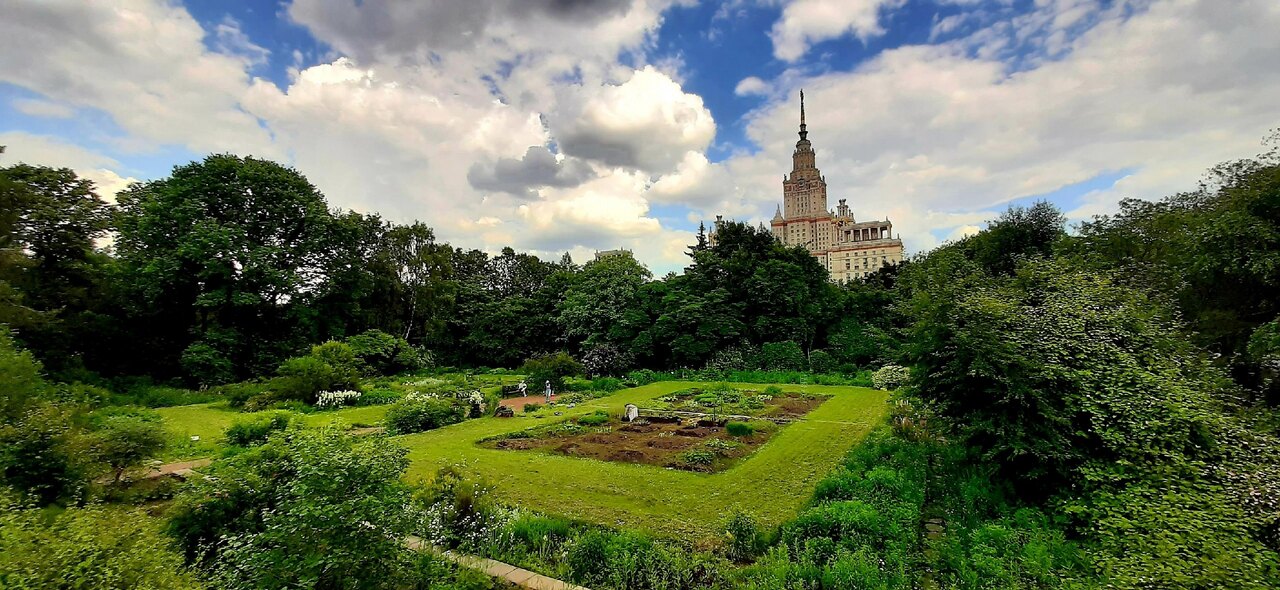
The garden was laid out in 1951 together with the new university buildings on the Lenin Hills, and it is kept as a collection: every holding has its name, its count of varieties and its year. The flowering part by the gate is open to walk through on your own — lilacs, irises, roses, peonies, perennials. There are more than two hundred and fifty varieties of lilac here and about seven hundred irises; the tree peonies were bred in the university itself. Every plant here has its own name and its own provenance.
Lilacs: more than two hundred and fifty varieties, Russian and foreign; the display plot was laid out in 1974. Irises — about seven hundred, from bearded to bulbous. Roses, more than two hundred varieties. Peonies, more than three hundred, among them tree peonies bred in the university itself. Daylilies, about two hundred varieties, from the old ones to the present.
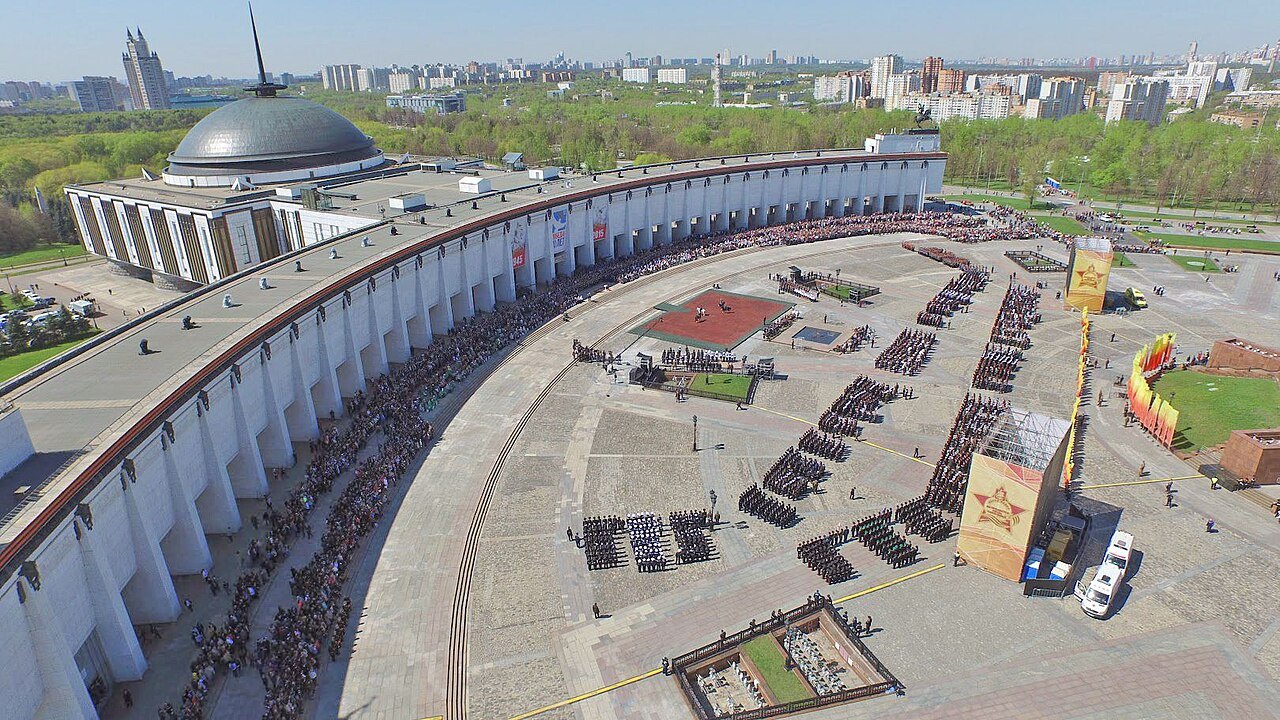
A memorial rather than a collection: its strength is the scale of the spectacle and the Hall of Remembrance, not the originals. By museum standards it is average, and you should know that before going.
The Hall of Glory and the Hall of Remembrance and Sorrow; six dioramas of the decisive battles; the open-air park of military hardware.
An industrial tour rather than a museum: the value is the walk into the working shop and the history of Einem. As a collection it is next to nothing, and we do not hide that.
A walk into the working shop where sweets are wrapped in front of you; the history of Einem and Krasny Oktyabr in original wrappers and advertising.
6.7 km from here· Malaya Krasnoselskaya 7 (entrance from Lobachika 1, bldg 1) ··
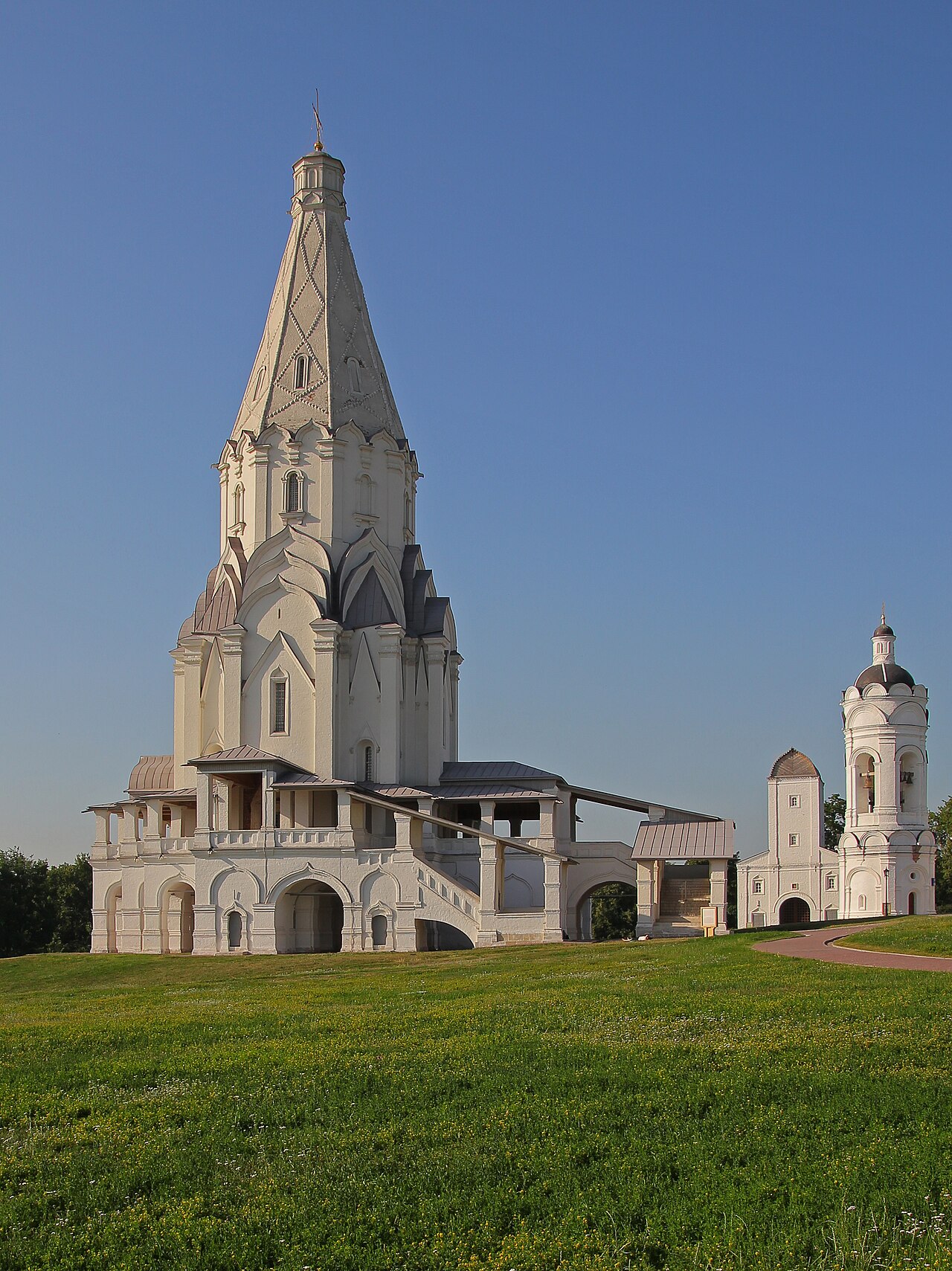
The Church of the Ascension of 1532 is the first stone tented church in Russia and the only building in Moscow on the World Heritage list. The tent here is structure and not ornament, and sixteenth-century Russian architecture cannot be understood without having stood under it. The rest is a museum reserve with a middling collection: icons, tiles, manuscripts, wooden buildings brought from the North. And one warning: the palace of Alexei Mikhailovich shown in every photograph is a 2010 replica put up elsewhere in the park; it should not be confused with the real Kolomenskoye.
The Church of the Ascension, 1532. The Church of the Beheading of St John the Baptist at Dyakovo, sixteenth century, usually empty. The Front Gate with its display. Peter the Great’s cabin, brought from Arkhangelsk. Tiles and icons in the reserve’s exhibitions.
8.4 km from here· Andropova Prospekt 39 ·
· No. 69
5 museums have no point set. They are not in this count.