Museums near the centre of Moscow
We do not ask your browser where you are. We collect no data about people. Place the point on the city map yourself — we will find the nearest museums that suit your preferences.
The Museum of Decorative Art
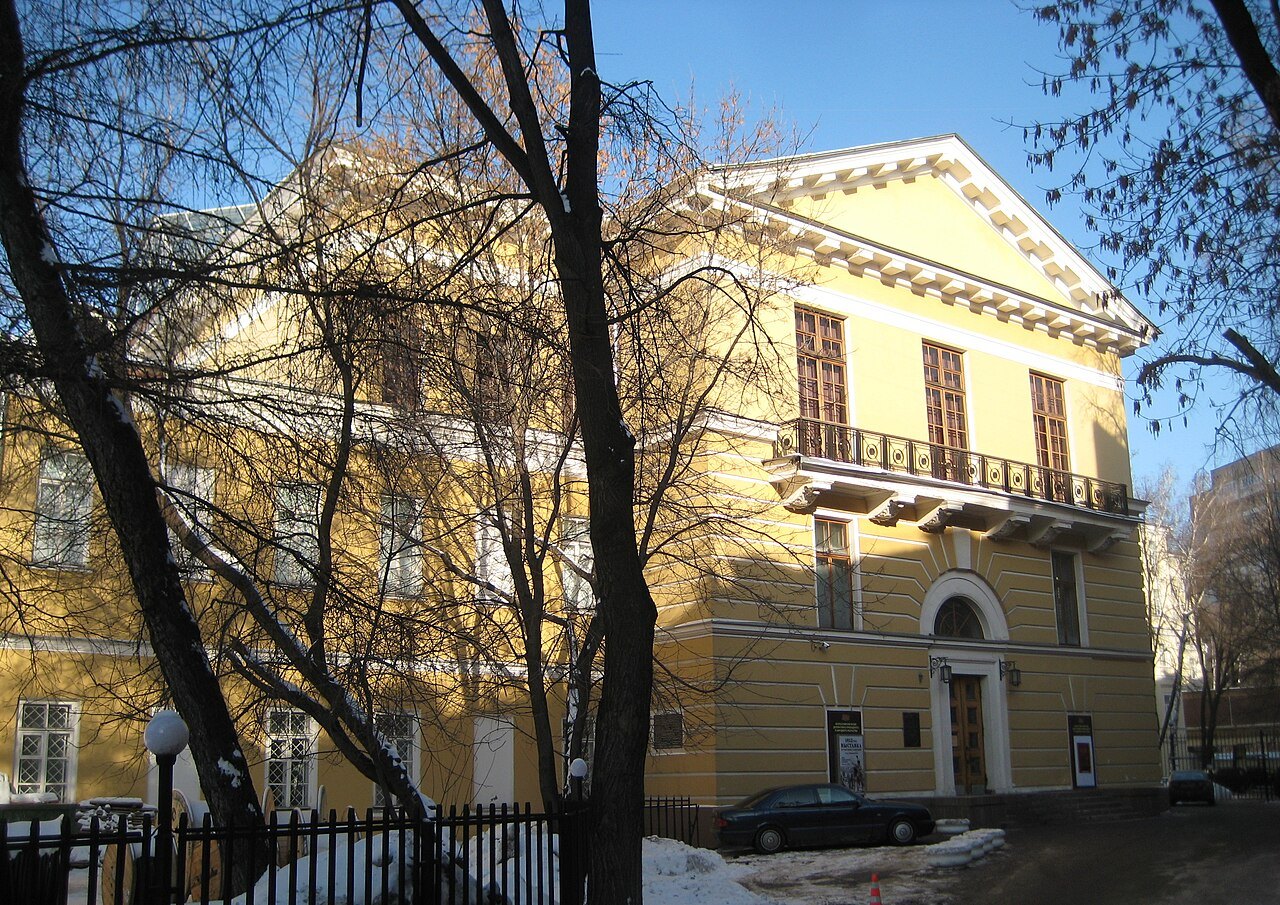
Lacquer miniature — Palekh, Fedoskino, Mstyora, Kholuy; Soviet propaganda porcelain; toys of the peoples of the world; embroidery and samovars.
Apollinary Vasnetsov Museum
The studio with its original furnishings, and the views of old Moscow — historical reconstructions by which the medieval city is still imagined.
The Narkomfin Building
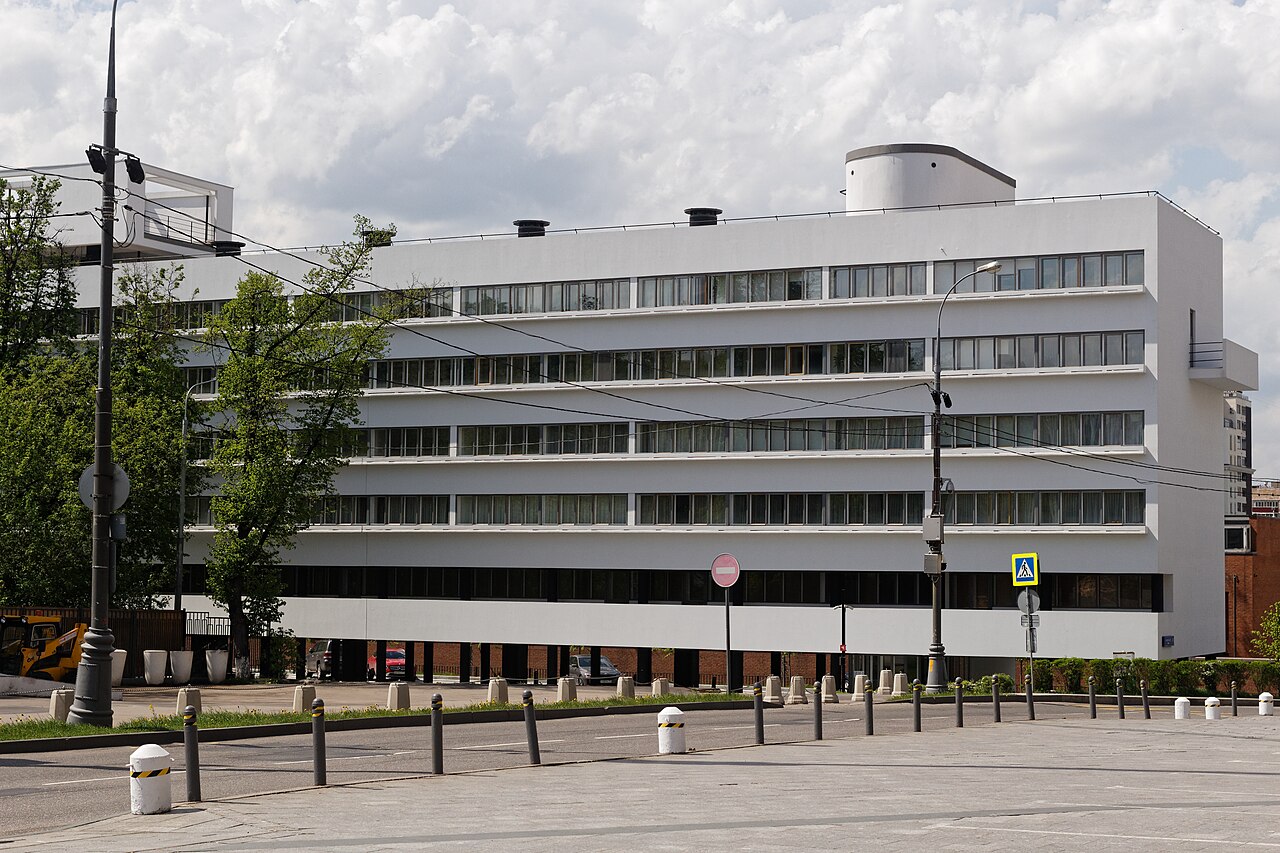
A restored type F unit, furnished to Ginzburg’s drawings. The building itself: the residential block on columns, the communal block, the bridge between them.
The AZ Museum
Painting and drawing by Anatoly Zverev from Natalia Opaleva’s collection. Exhibitions setting Zverev beside other artists of his circle. Work by Vladimir Nemukhin and other nonconformists.
The Museum of Music
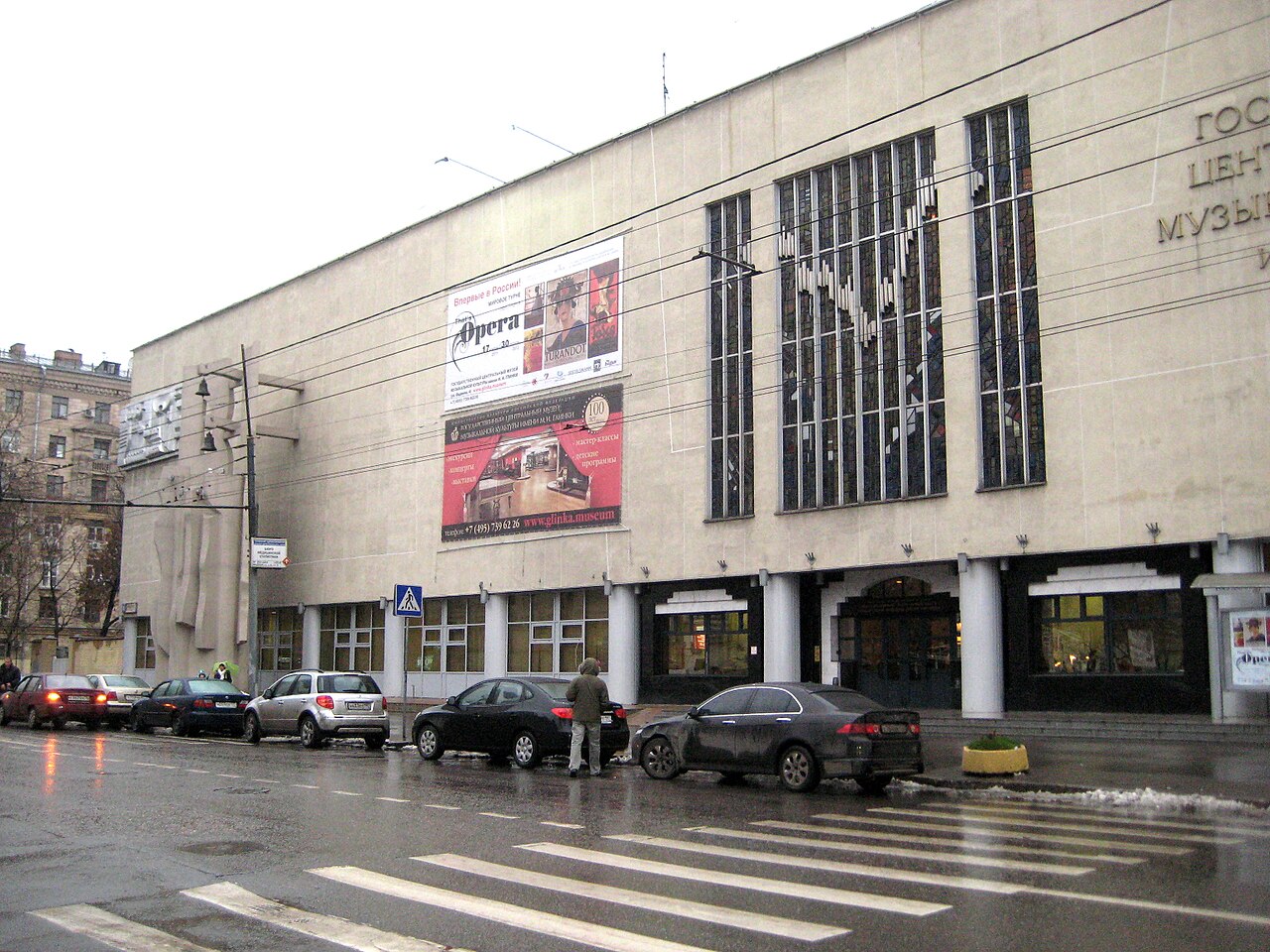
Instruments of the peoples of the world, from Russian gusli to the Japanese koto. The ANS synthesiser of Yevgeny Murzin, named with Scriabin’s initials. Autographs and manuscripts of Russian composers. The State Collection of stringed instruments, when it is in the museum.
The Tropinin Museum
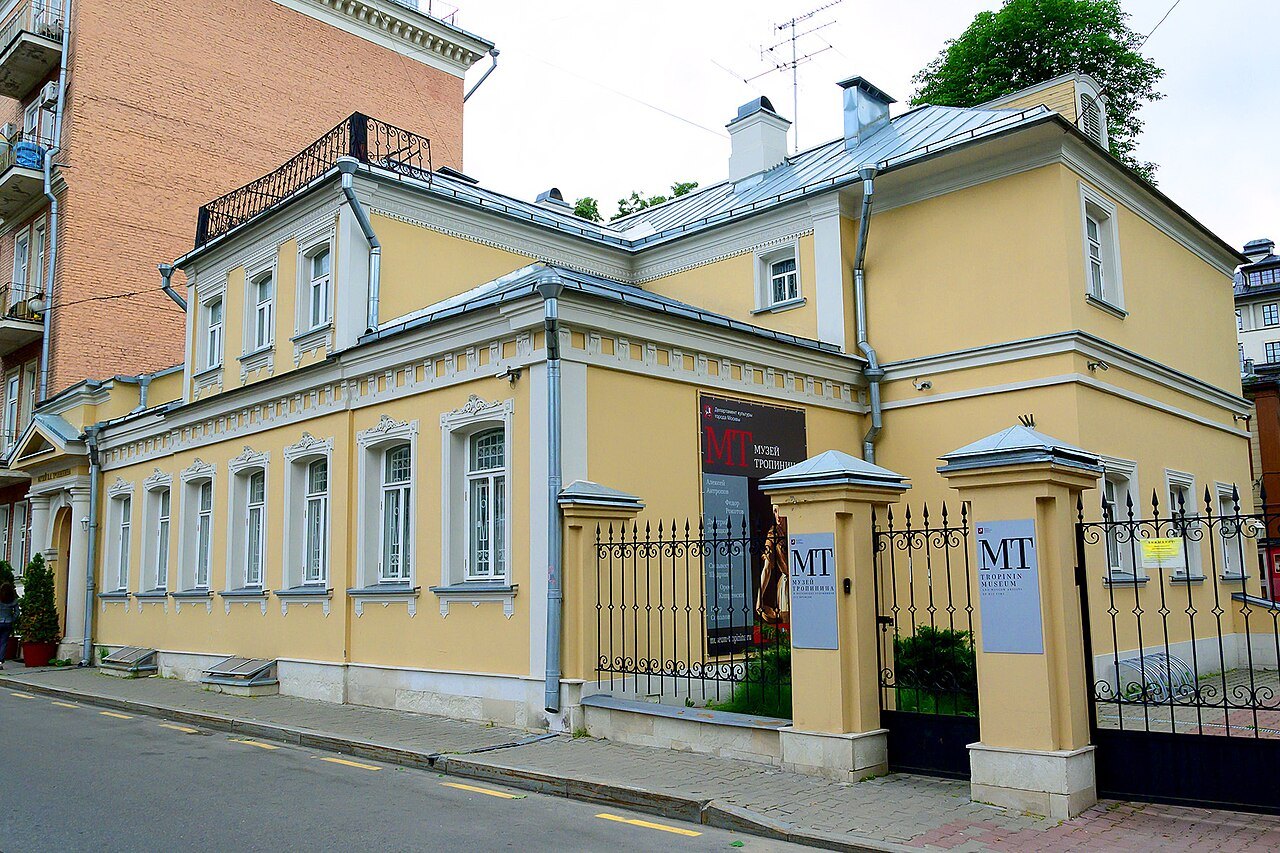
Portraits by Vasily Tropinin and his Moscow contemporaries, work by serf artists, Russian Biedermeier. The quiet Zamoskvorechye lane and the house itself are half the pleasure.
The New Tretyakov
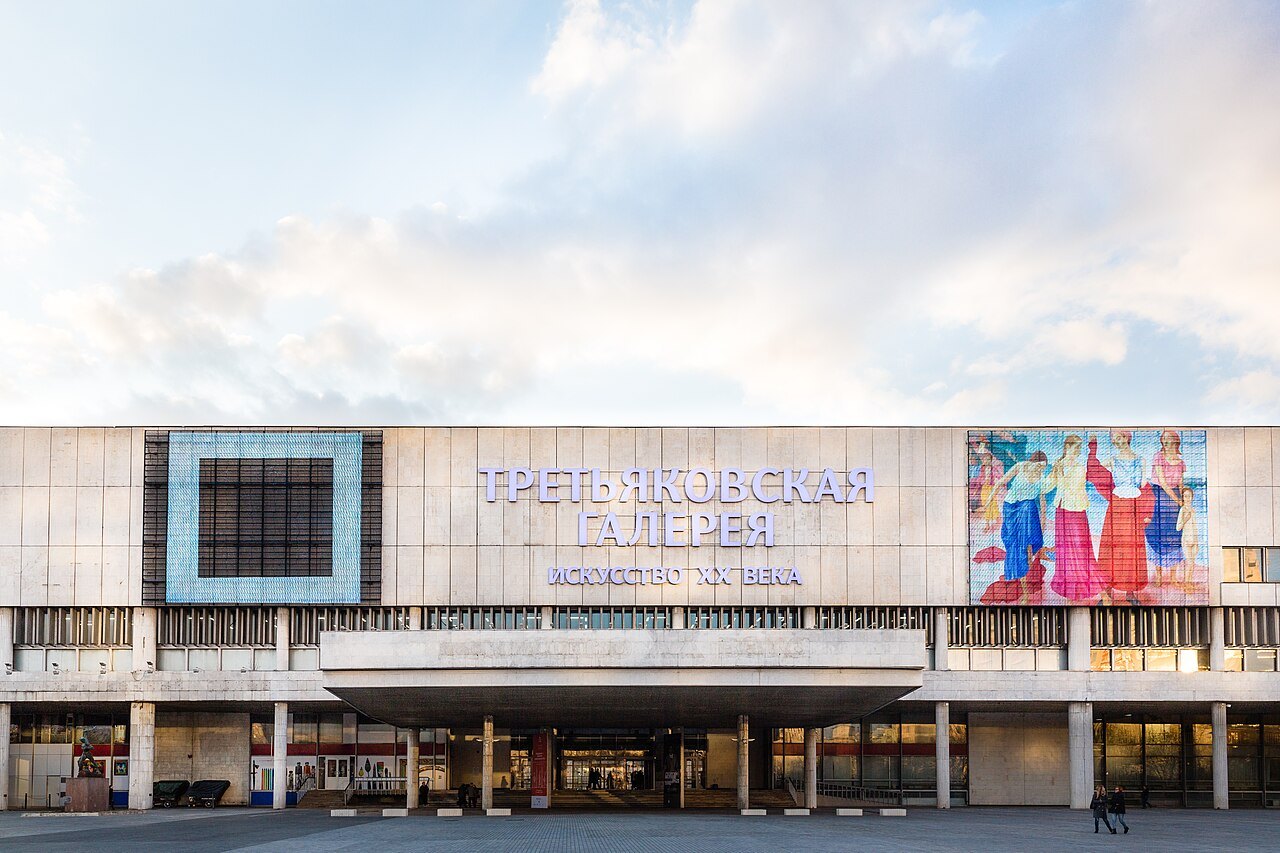
Malevich’s Black Square, Petrov-Vodkin’s Bathing of a Red Horse, work by Kandinsky, Chagall, Goncharova and Larionov, the model of Tatlin’s Tower. Next door: the Muzeon park of dismantled Soviet monuments.
Museum of Moscow
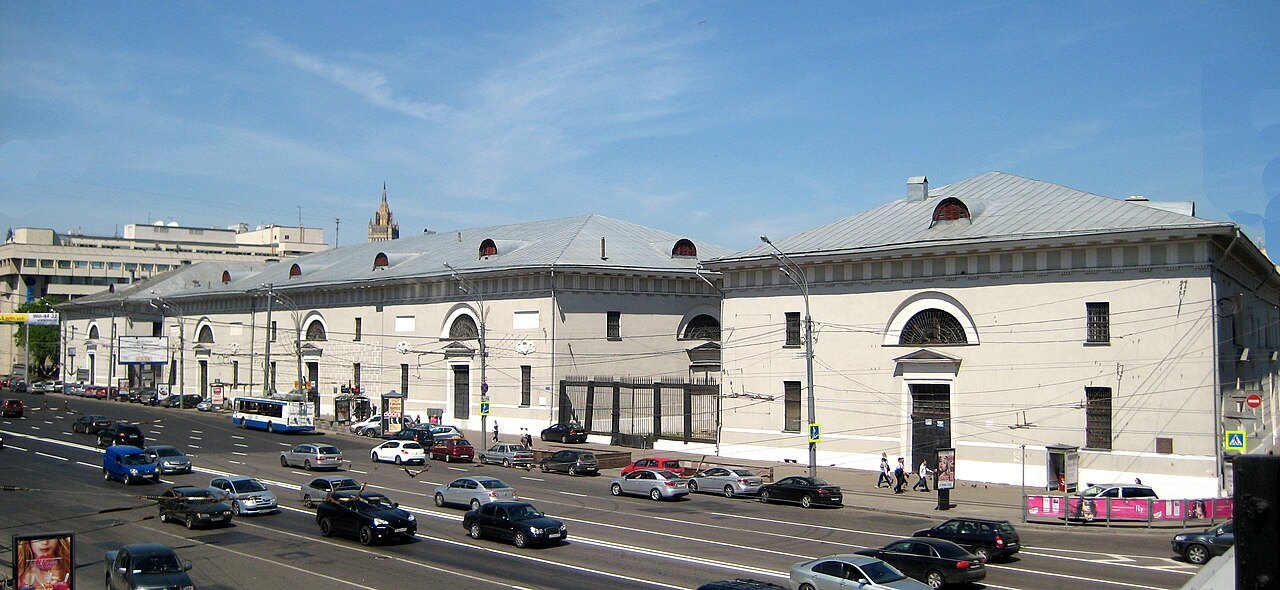
The permanent display History of Moscow: the archaeology of Moscow soil, town life, plans and views of the city by century. And the Provision Warehouses themselves, an Empire monument after Vasily Stasov.
The Dahl Literary Museum
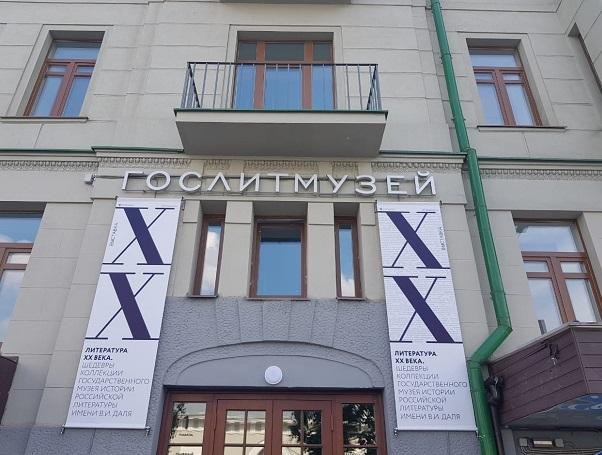
The permanent display Zubovsky 15: a house of science, literature and art, and the exhibitions on 20th-century Russian letters.
The Apothecary Garden
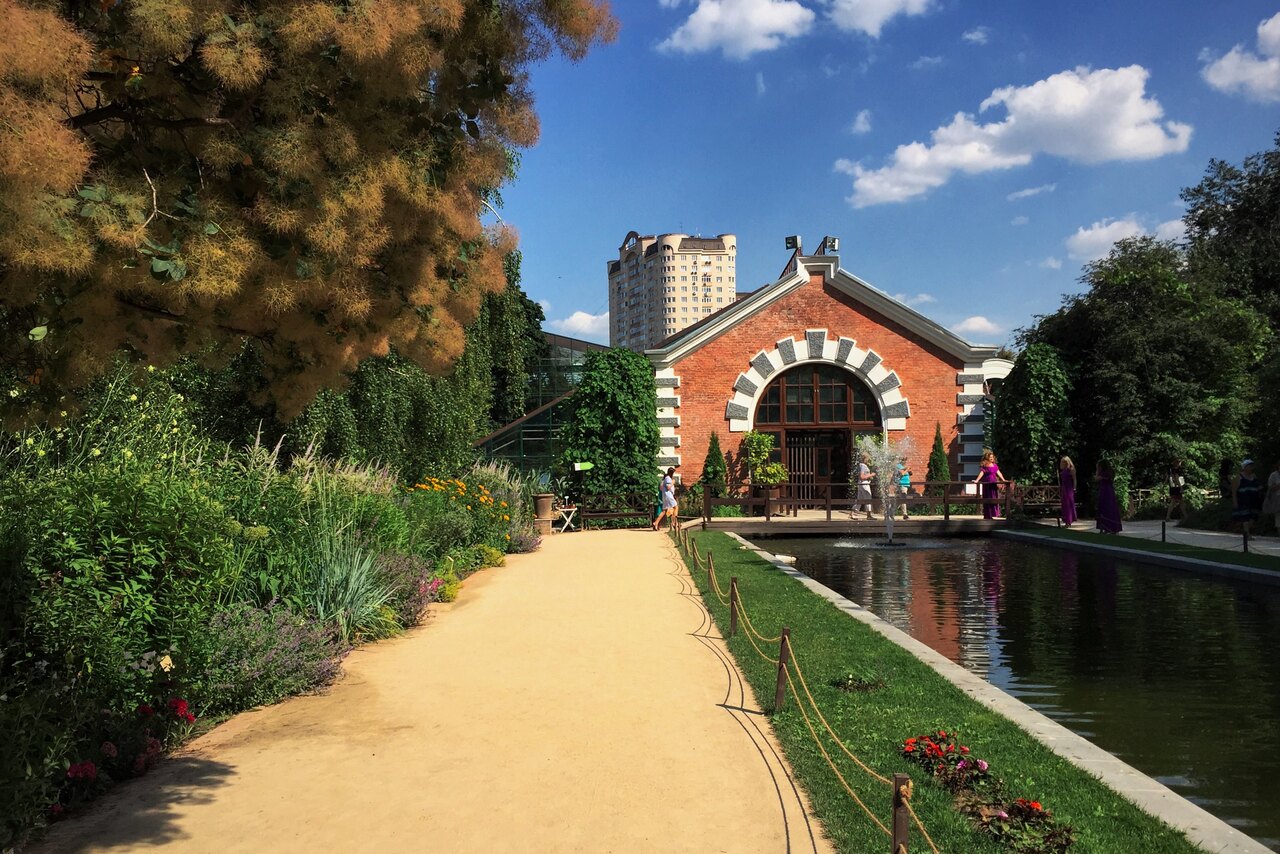
Peter's larch, as the garden has always called it, stands in the middle of the arboretum. Beside it a pedunculate oak more than two hundred years old, limes past a hundred, and a rare weeping form of the Dahurian larch. The Palm House of 1891: palms, figs and pandanus at their full height. The Succulent House on the upper floor of the glasshouse block holds cacti, euphorbias, agaves and aloes, some of them among the rarest anywhere. The old pond with its water plants, the shade garden, the heather slope where the rockery used to be; the conifer slopes took a gold diploma of the landscape architecture prize in 2013.
5 museums have no point set. They are not in this count.