Museums near The Melnikov House
We do not ask your browser where you are. We collect no data about people. Place the point on the city map yourself — we will find the nearest museums that suit your preferences.
The Mineralogical Museum
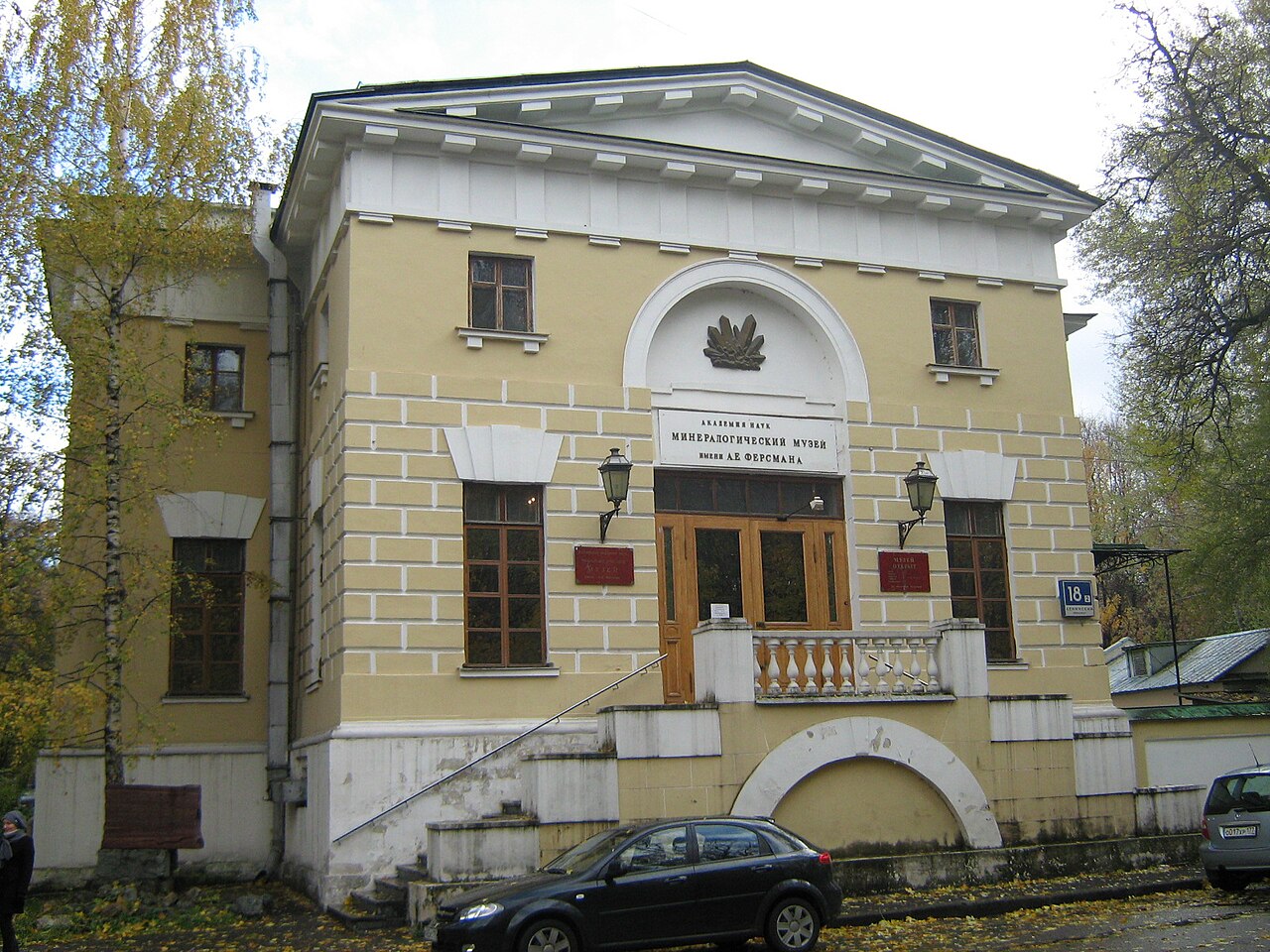
The systematic collection — the whole known mineral world by class. Ural malachite and rhodonite from the old crown holdings. Meteorites. Hardstone work by Fabergé and the Peterhof lapidary works. Large specimens of a size only museums of this age possess.
The Museum of the Russian Icon
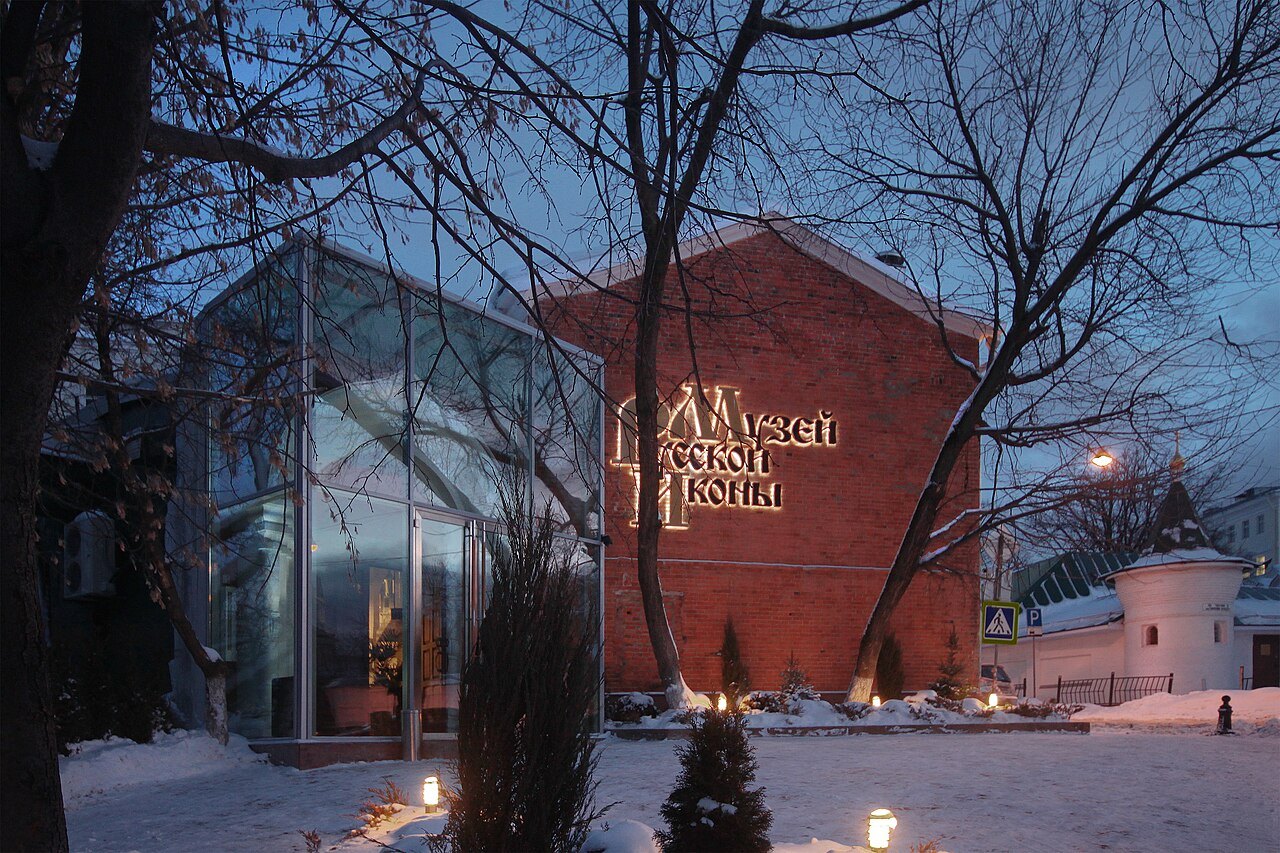
The Russian icon of the 14th to 20th century, from Novgorod panels to Old Believer painting; Ethiopian Christian art, the only such collection in Russia; a reconstructed iconostasis and post-Byzantine Greek icons.
The Bakhrushin Museum
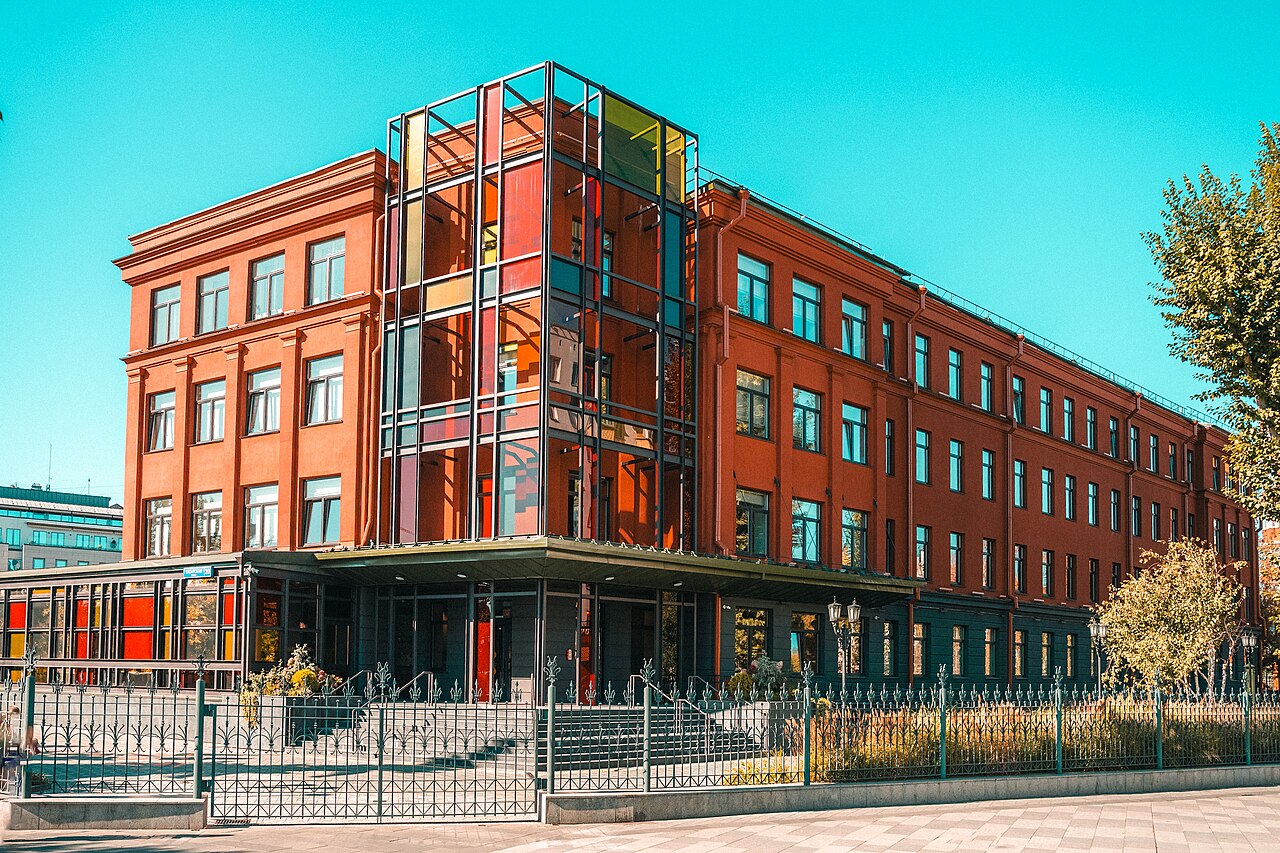
Designs for sets and costumes by Golovin, Bakst, Korovin, Exter and Tatlin. Costumes and possessions of the great actors. Stage models. The archives of theatres and directors. Bakhrushin’s own house, built for the collection.
Museum of Russian Impressionism
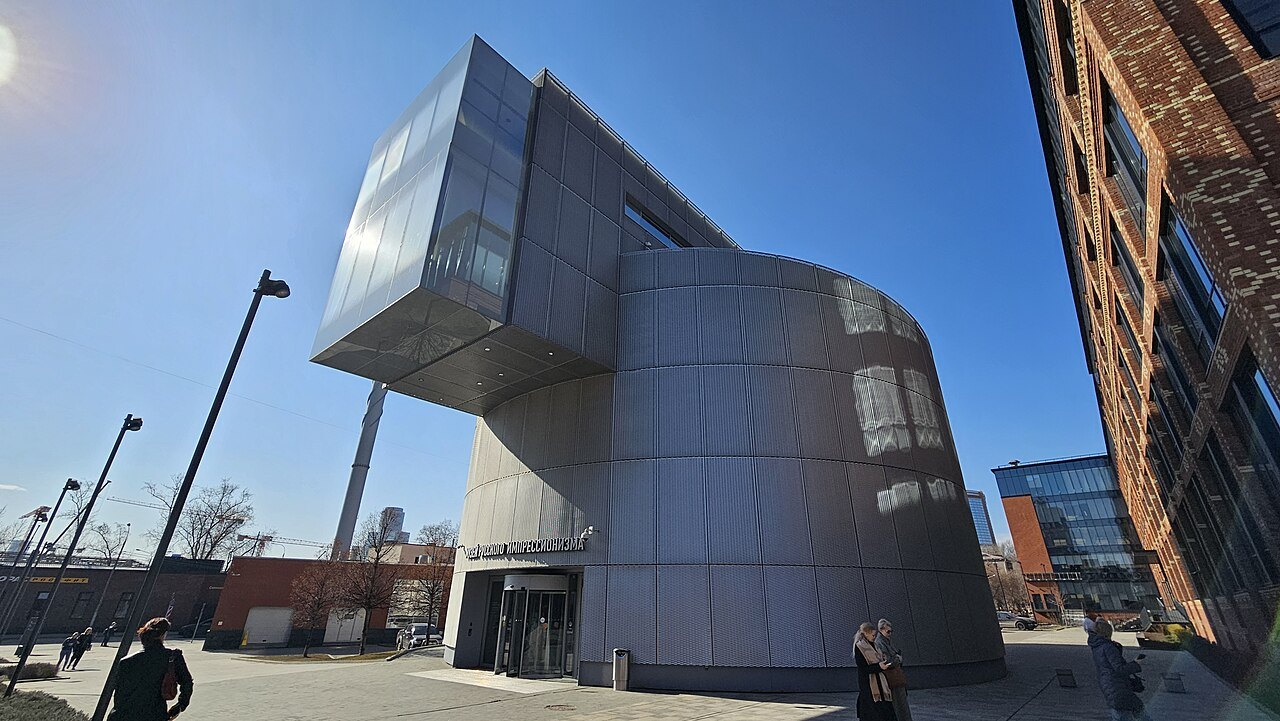
Konstantin Korovin, Valentin Serov, Igor Grabar, Nikolai Bogdanov-Belsky. The building is a converted cylindrical flour store of the Bolshevik factory — a rare case of industry turned into a museum.
Apollinary Vasnetsov Museum
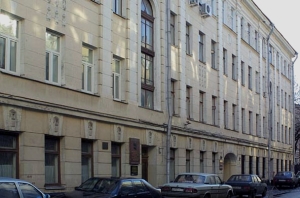
The studio with its original furnishings, and the views of old Moscow — historical reconstructions by which the medieval city is still imagined.
The Borodino Panorama
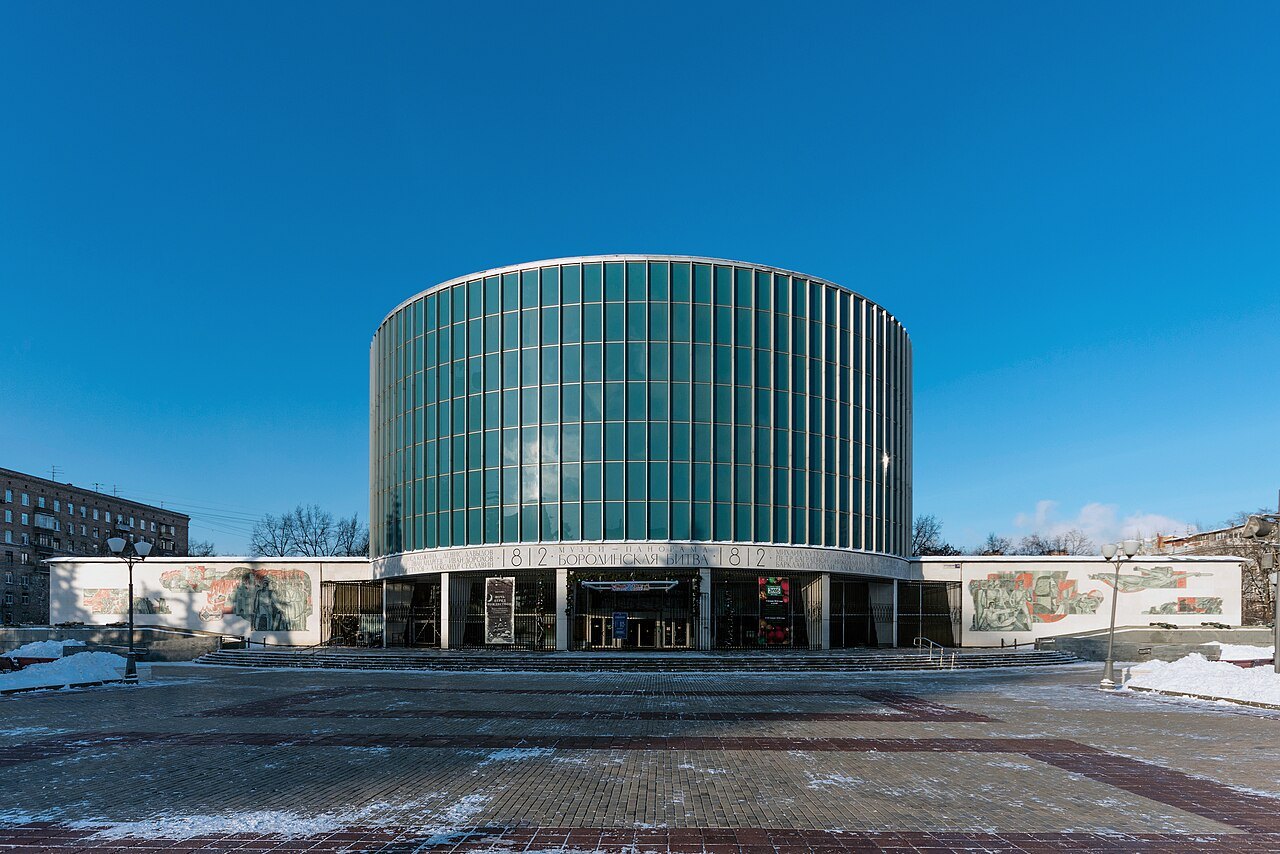
Franz Roubaud’s Borodino panorama of 1912: 115 metres of canvas in the round, 15 metres high. Next door, the Kutuzov hut where on 1 September 1812 the council of war decided to abandon Moscow.
The Apothecary Garden
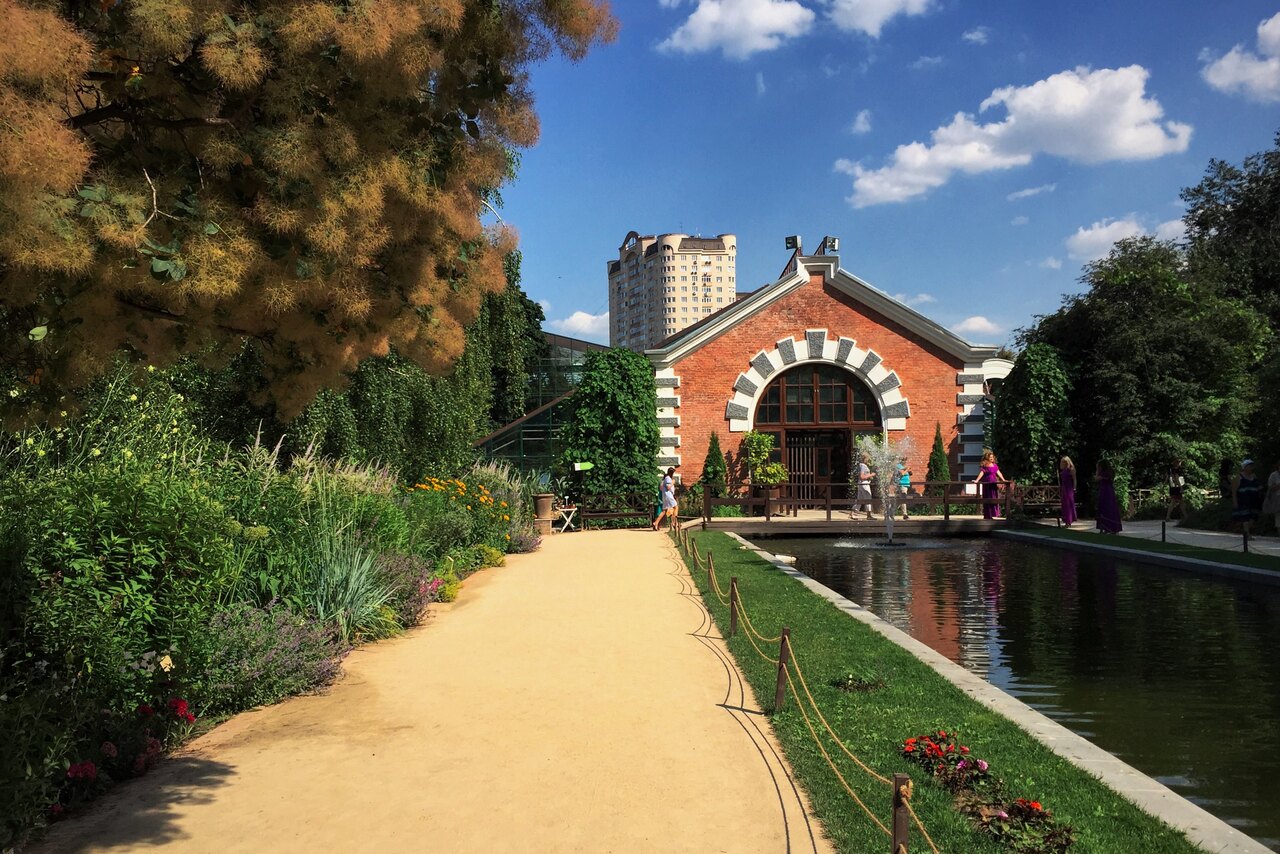
Peter's larch, as the garden has always called it, stands in the middle of the arboretum. Beside it a pedunculate oak more than two hundred years old, limes past a hundred, and a rare weeping form of the Dahurian larch. The Palm House of 1891: palms, figs and pandanus at their full height. The Succulent House on the upper floor of the glasshouse block holds cacti, euphorbias, agaves and aloes, some of them among the rarest anywhere. The old pond with its water plants, the shade garden, the heather slope where the rockery used to be; the conifer slopes took a gold diploma of the landscape architecture prize in 2013.
The Water Museum
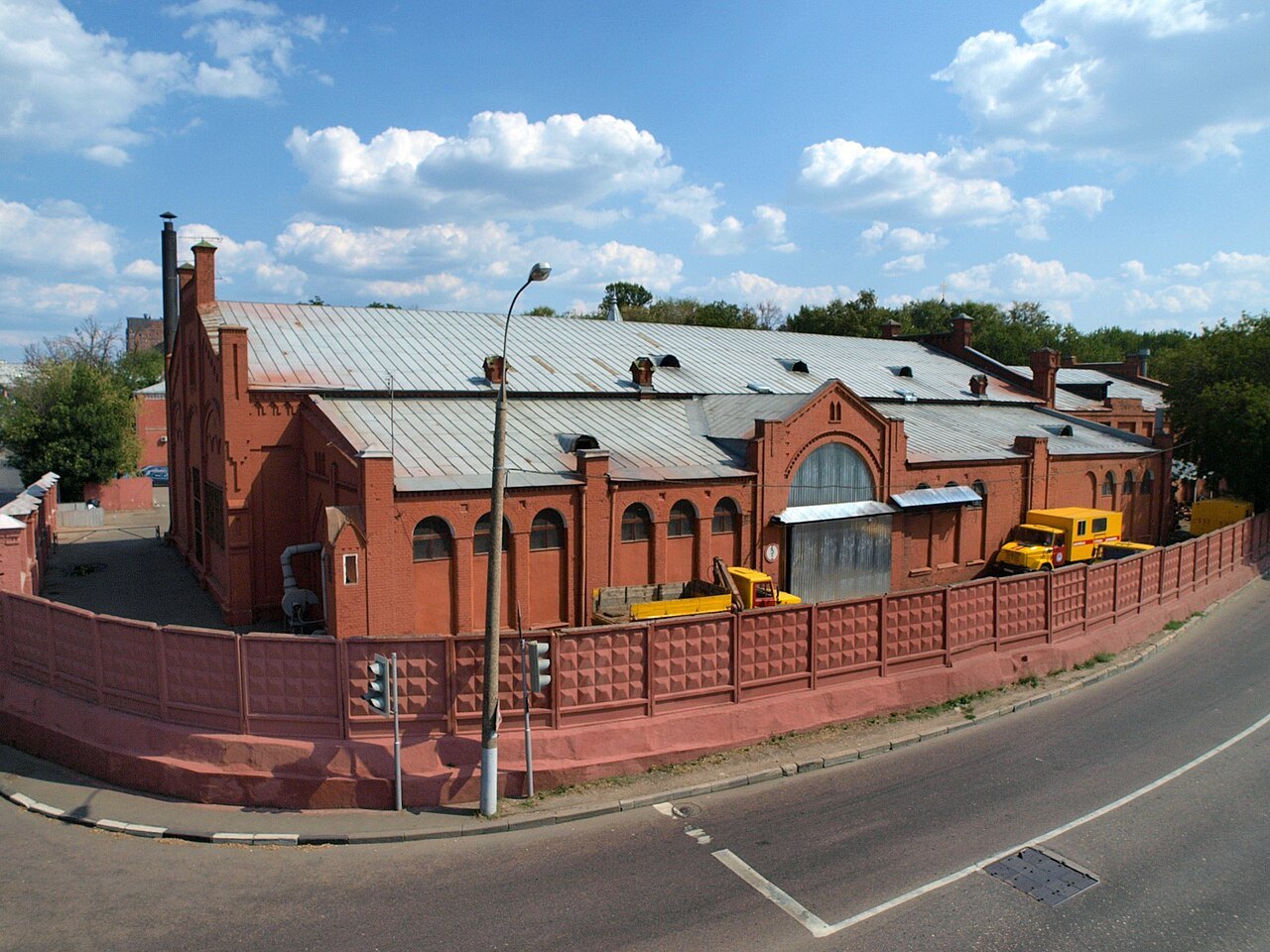
Working models of waterworks, from the Rostokino aqueduct to the present treatment plants; the history of the Moscow sewer in drawings and photographs.
The Jewish Museum
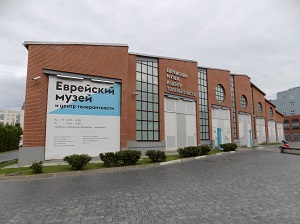
The building itself — the Bakhmetevsky garage of 1926–1927, one of Konstantin Melnikov’s principal works with steel structures by Vladimir Shukhov; the Café on Basseynaya, a reconstruction of shtetl life.
The Rublev Museum
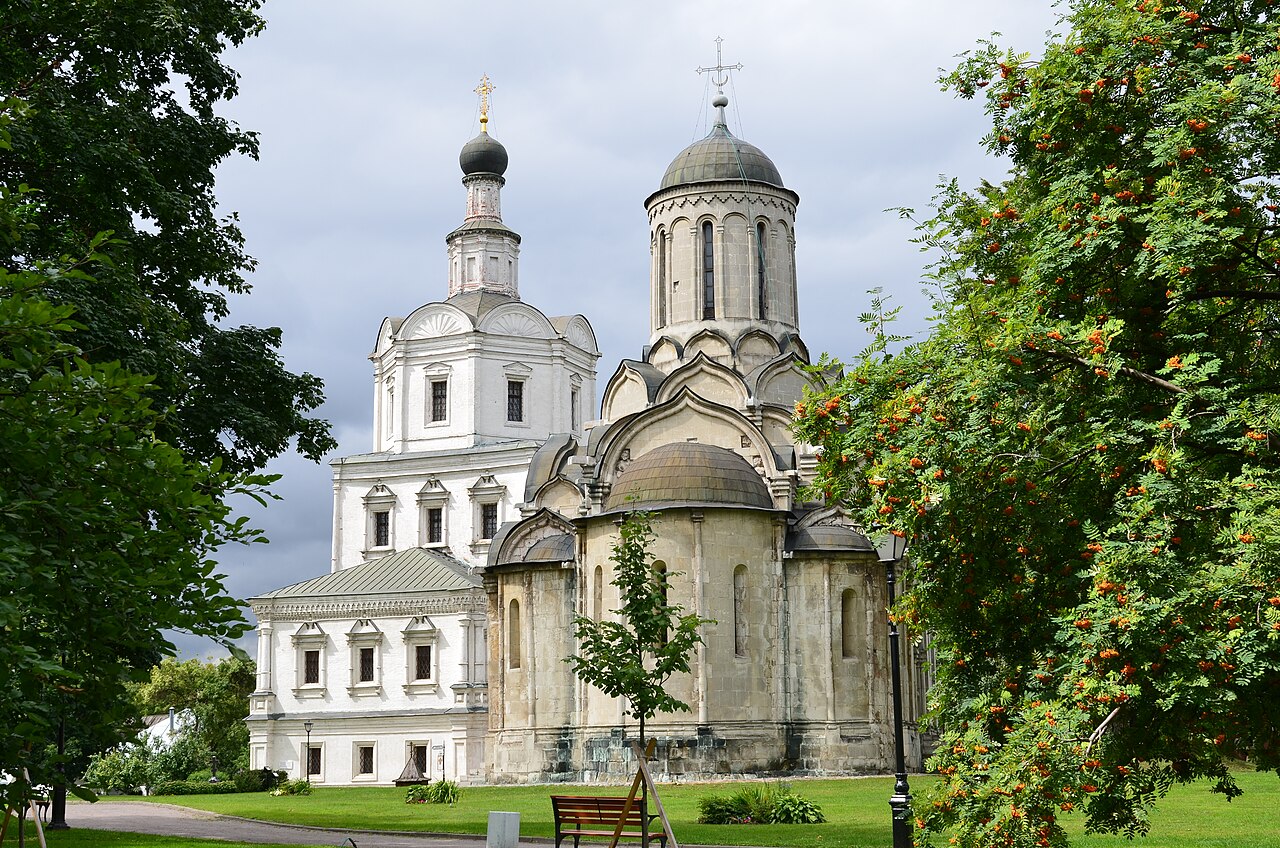
Icons of the thirteenth to seventeenth centuries, gathered by the museum’s own expeditions. Royal doors and whole iconostasis sets. Fragments of wall painting. The Saviour Cathedral of the 1420s — the oldest building in Moscow, with remains of ornamental painting associated with Rublev.
5 museums have no point set. They are not in this count.