Skip to content

Your browser is older than this page. The catalogue still reads here: the list, the filter and the cards all work. Your browser will mark filter choices with plain checkboxes, as best it can. Update your browser to see the page as it was built.

Museums near The Museum of Architecture

We do not ask your browser where you are. We collect no data about people. Place the point on the city map yourself — we will find the nearest museums that suit your preferences.

Distance
Filter
How much time
We count what is left today: from now — or from opening, if the museum has not opened yet — to the last admission. The closing hour is of no use for such a count: past the last admission nobody is let in. Where the last admission is not established we allow half an hour: erring towards «you will not make it» costs less than sending someone to a locked door.
When I go
We show those open on at least one of the days chosen. Today is Friday.
Who with
One thing is asked here: whether a child will find it interesting inside. The ease of the way and of the rooms is a question of another kind, and it stands under “Access”. In the entry this shows as a mark, and the age in the note beside it.
What to see
Access
The accessibility of a museum and the accessibility of the way to it are different things, and we keep them apart. It happens that everything inside is arranged faultlessly while the door itself cannot be reached in a wheelchair; it happens the other way round too.
How valuable
What sets it apart
Showing 46 museums

Drag the pin or press the map.

open nowclosed nowhours not known

Map — OpenStreetMap

Nearest museums · 46
History · since 1994

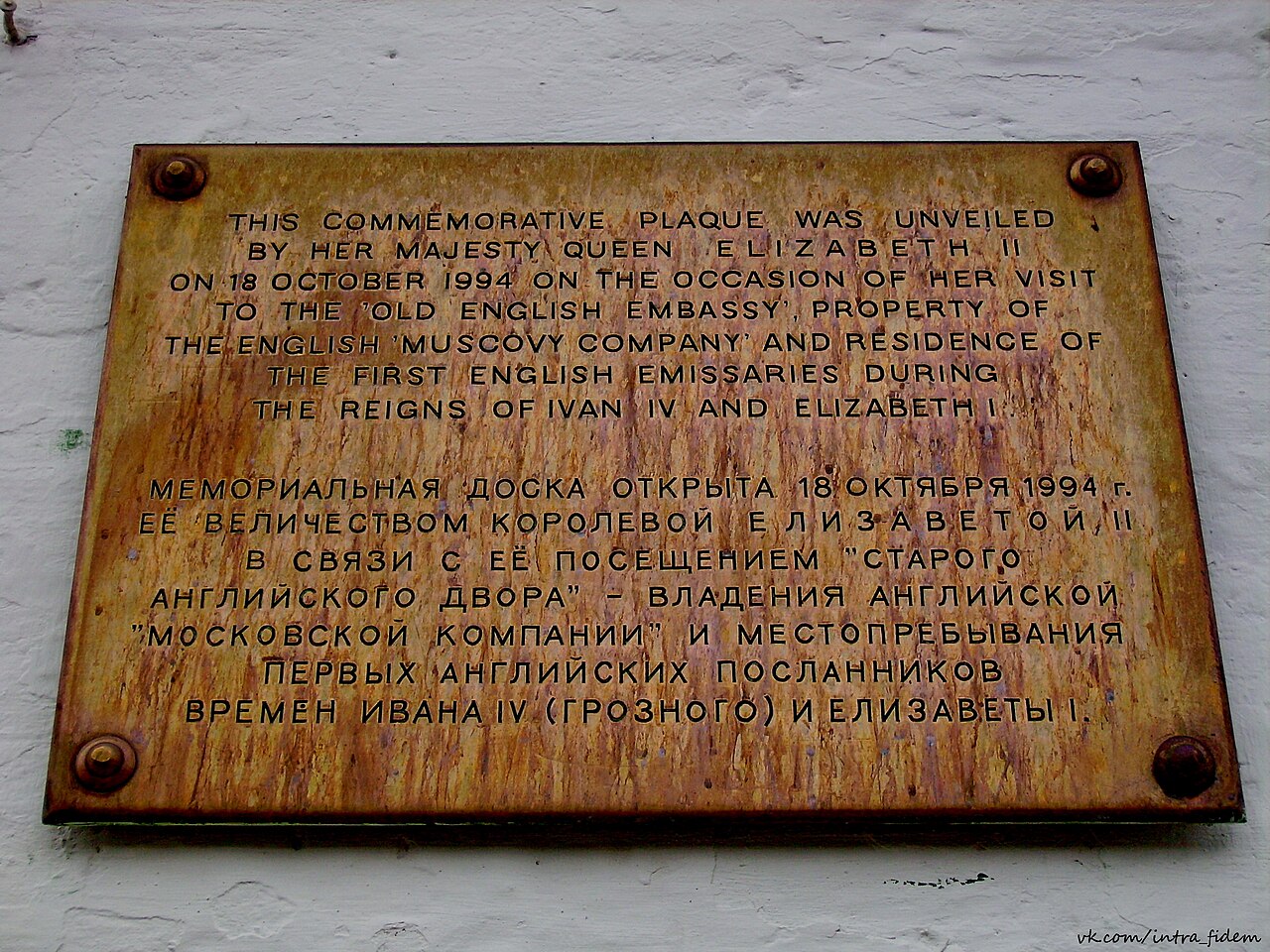
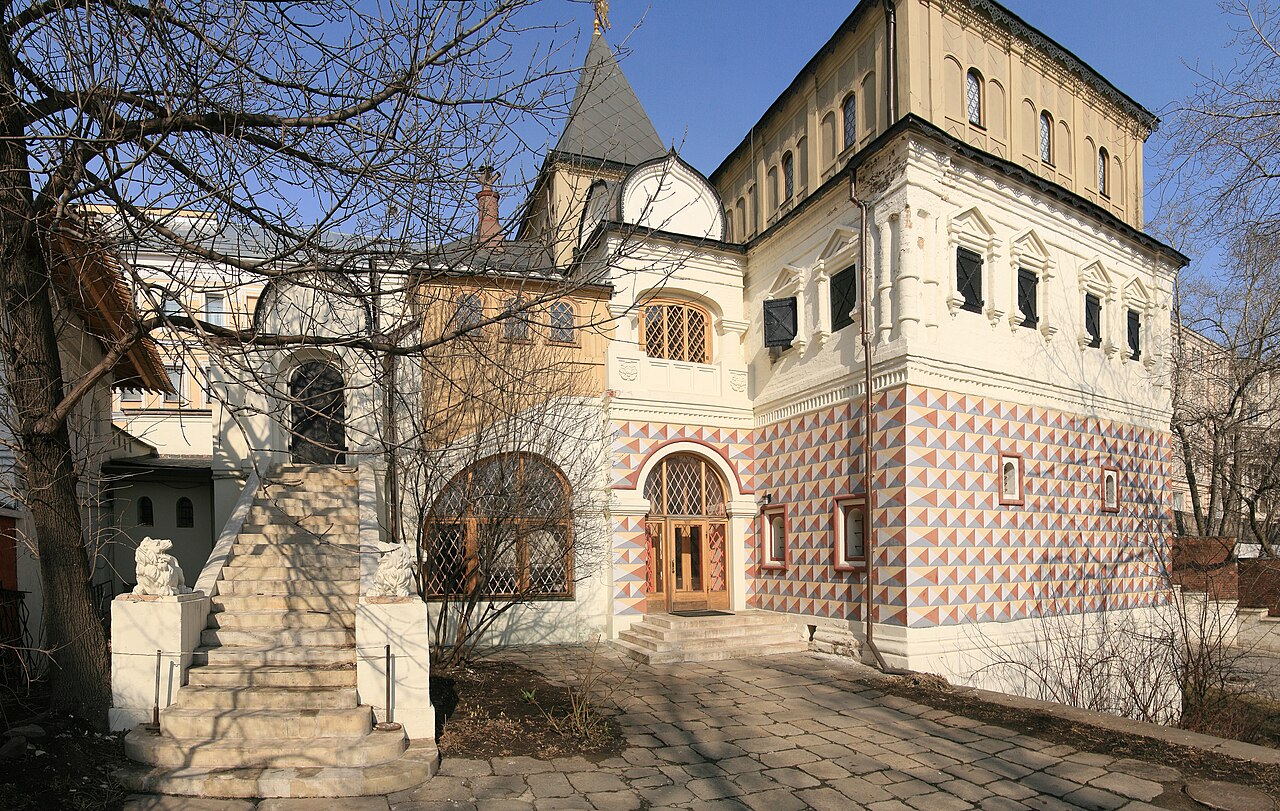
The Old English Court

significant
The Old English Court
O.Bragina, CC BY-SA 3.0 · Wikimedia Commons
The oldest surviving secular building in Moscow. The value is in the vaults themselves: almost no 16th-century interiors are left in the city, and these were recovered by Baranovsky, the restorer who saved half of it.

The Treasury Chamber with its 16th–17th-century interior and the original vaults; the display on Russian–English trade and finds from the Zaryadye digs.

And we came to the Mosco the 4. day of October, and were lodged that night in a simple house: but the next day we were sent for to the Emperour his secretarie…
George Killingworth, 1589 in full
1.2 km from here · Varvarka 4a (Zaryadye Park) · ·
· No. 18
House museums · since 1911

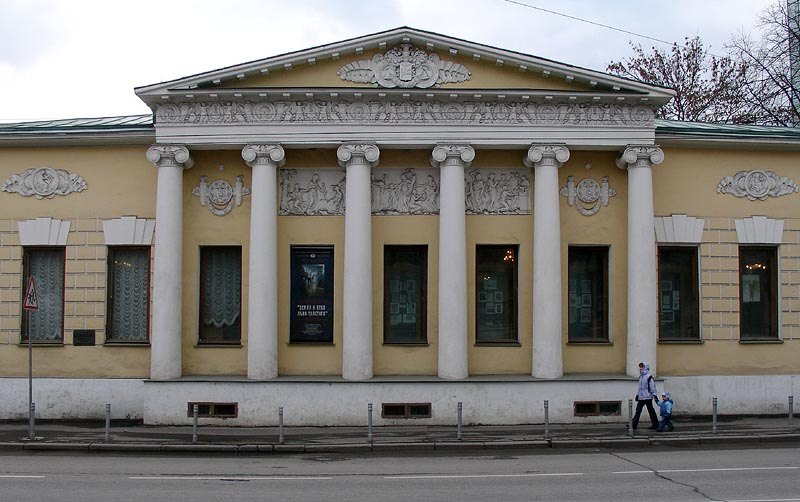
The Tolstoy Museum on Prechistenka

significant
The Tolstoy Museum on Prechistenka
NVO, CC BY-SA 2.5 · Wikimedia Commons
The largest manuscript fund of any single writer in the world. The value is scholarly: you see how the text was made — Tolstoy rewrote a sentence ten times, and you can watch it happen. For the house he lived in, go to Khamovniki.

Manuscripts in Tolstoy’s hand, first editions, portraits and photographs of the writer and his family. The display follows the books, from Childhood to Resurrection.

1.3 km from here · Prechistenka 11/8 · ·
· No. 7
Unusual · since 1991

The Bookplate Museum

niche
The Bookplate Museum
The only collection of bookplates in Russia — a field between graphic art and bibliophilia shown systematically nowhere else. The circle of admirers is narrow, the subject genuine.

Bookplates by Russian and foreign artists, miniature editions and micro-books, writing on a grain of rice and miniatures on ivory.

1.3 km from here · Pushechnaya 7/5, bldg 2 (2nd floor) · ·
· No. 40
significant
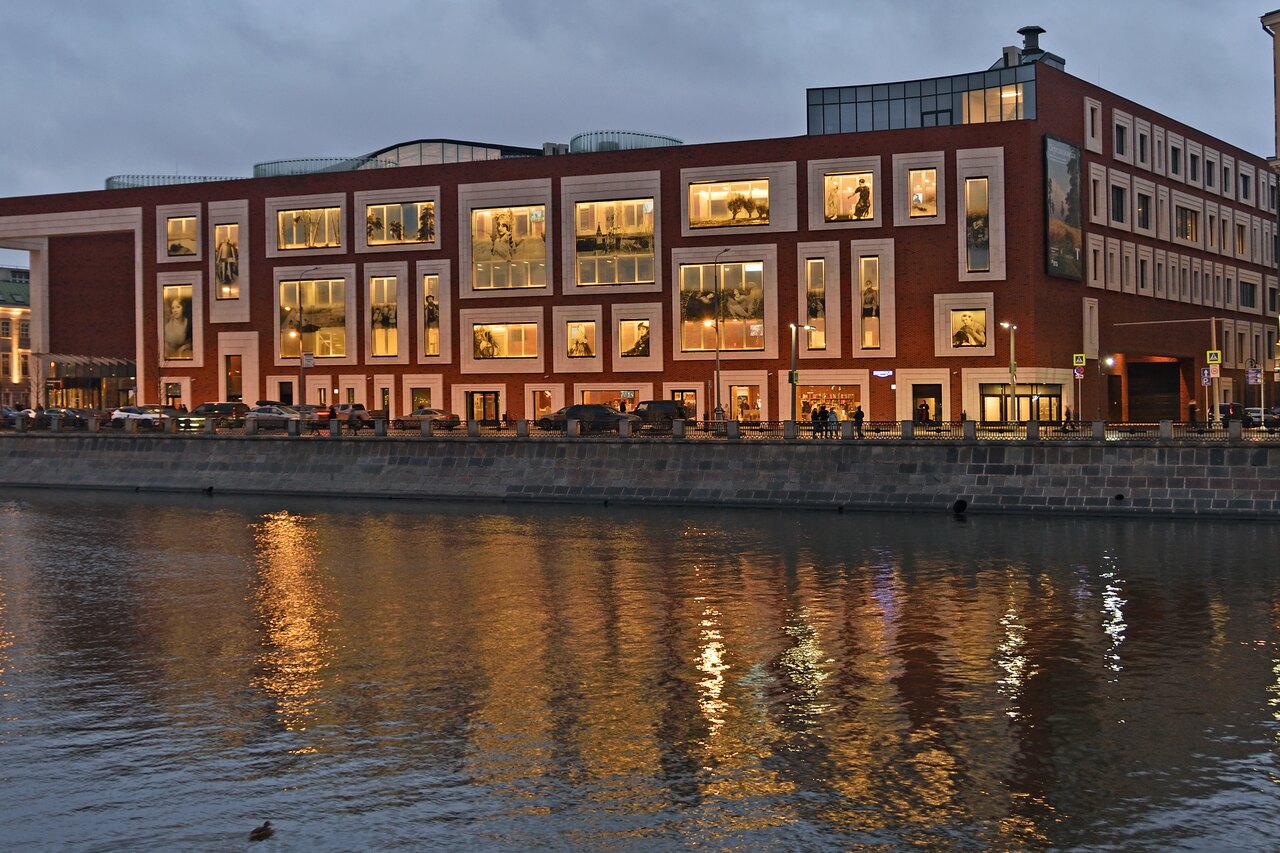
The Tretyakov on Kadashevskaya
Ludvig14, CC BY-SA 4.0 · Wikimedia Commons
Not yet a collection but an instrument: the first exhibition building in Moscow built to 21st-century museum standards — climate, light, spans. Its value is that things can now be brought here that could not be brought before.

There is no permanent collection — this is an exhibition wing. See the atrium, open without a ticket, and the façades: they carry reproductions of 34 works by Russian artists.

1.3 km from here · Kadashevskaya Embankment 12 · ·
· No. 55
History · since 1859

The Romanov Chambers

significant
The Romanov Chambers
Ludvig14, CC BY-SA 3.0 · Wikimedia Commons
One of the first museums in Russia: it opened in 1859, thirteen years before the Historical Museum, and opened already as a reconstruction of boyar life — an idea unheard of at the time. What is to be looked at is not authenticity down to the nail but the conception itself: how the middle of the nineteenth century pictured the seventeenth, and what came of it. Barry and Pugin were building Westminster in those same decades, and the case is the same — a century imagining an earlier one and building it in earnest. The collection meanwhile is real: furniture, vessels, textiles, tiles. Together with the Old English Court two steps away, this is the best pair in Moscow about the city before Peter.

The sixteenth-century undercroft, the one genuine part of the building. The interiors recreated by Richter in the 1850s: the dining chamber, the boyarynya’s room, the light room. Tiled stoves, chests, vessels and textiles of the seventeenth century.

1.4 km from here · Varvarka Street 10 ·
· No. 77
for enthusiasts
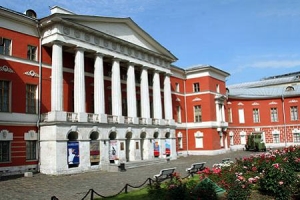
The Museum of Contemporary History
The collection is large, but the display is built ideologically and is unreliable as a source of knowledge — we say so plainly. The value is the building: this is the Moscow English Club, the one from the novels, and some objects such as the propaganda porcelain.

The building of the Moscow English Club — the club of Eugene Onegin and War and Peace, with the lions on its gate; Soviet propaganda porcelain; the collection of gifts to Stalin.

1.5 km from here · Tverskaya 21 · ·
· No. 28
Art · since 1856

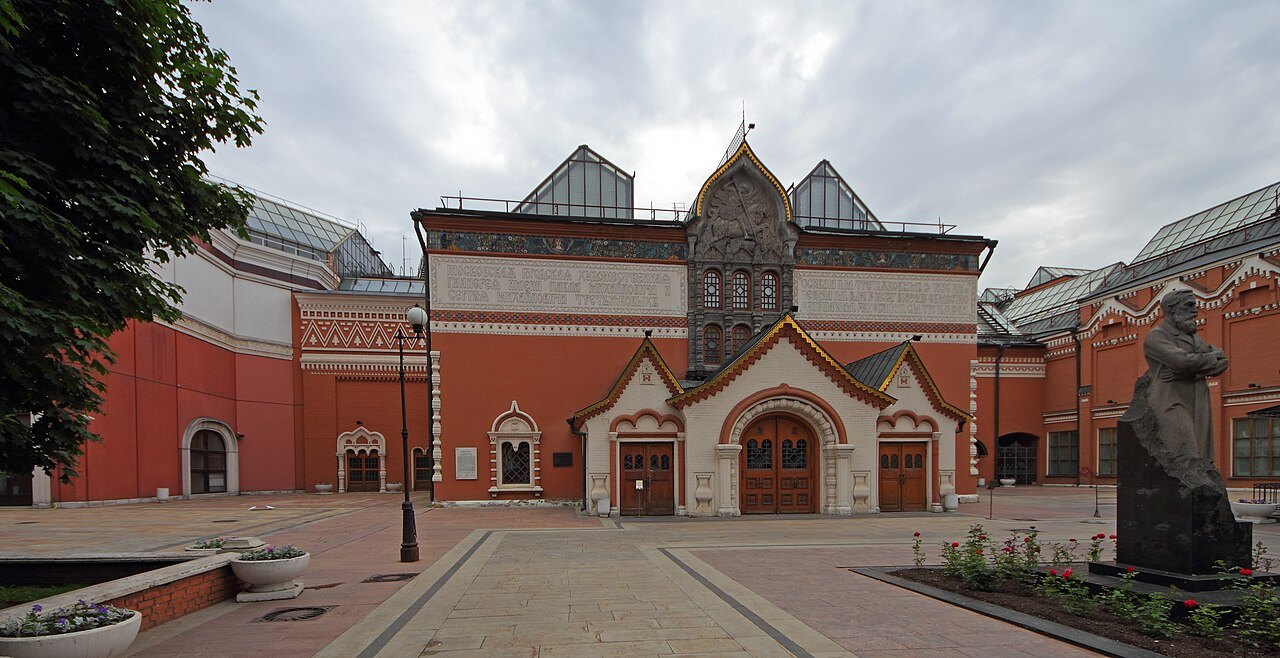
The Tretyakov Gallery

world-class
The Tretyakov Gallery
A.Savin, CC BY-SA 3.0 · Wikimedia Commons
Russian art of the 11th to early 20th century is nowhere else assembled so fully — only the Russian Museum compares. But the canon was formed here: Tretyakov bought from living artists what he himself thought mattered, and one man’s private judgement became what we now call the Russian school. Seeing the 19th century elsewhere means seeing fragments.

Ivanov’s The Appearance of Christ Before the People in its own hall; Surikov’s Boyarynya Morozova and Morning of the Streltsy Execution; Repin’s Ivan the Terrible and His Son; Serov’s Girl with Peaches; Vasnetsov’s Bogatyrs; the icon halls. Rublev’s Trinity is no longer here: it was handed to the Church in 2023.

1.5 km from here · Lavrushinsky Lane 10 · ·
· No. 1
Unusual · since 2007

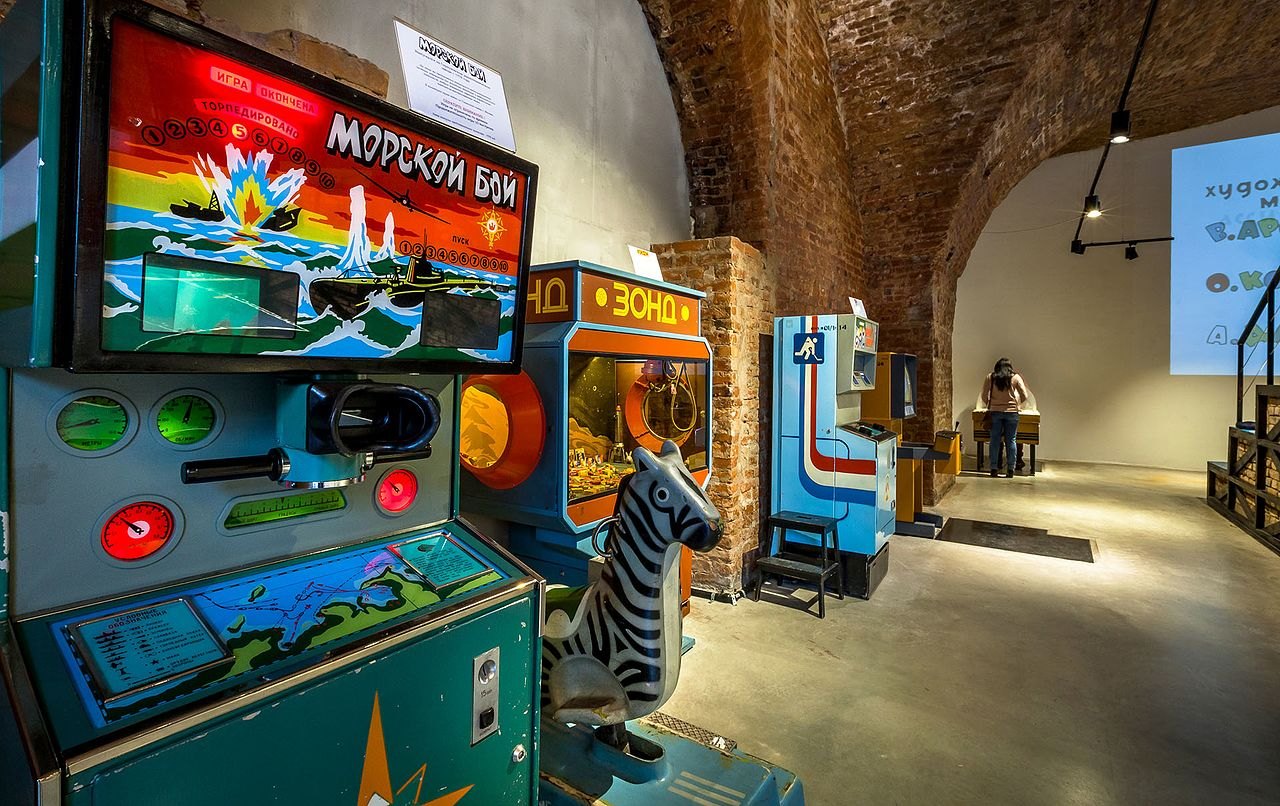
The Arcade Machines Museum

for enthusiasts
The Arcade Machines Museum
Museum of Soviet Arcade Machines, CC BY-SA 4.0 · Wikimedia Commons
The only museum where the exhibit works: the machine starts on a coin, and that changes the whole way of meeting the object. As a monument of late Soviet daily life it is precise and honest.

Sea Battle, Gorodki, Sniper, Safari — the machines work rather than stand behind glass; and the soda machine with a faceted glass.

1.6 km from here · Rozhdestvenka 12 · ·
· No. 48
Architecture and estates · since 2020

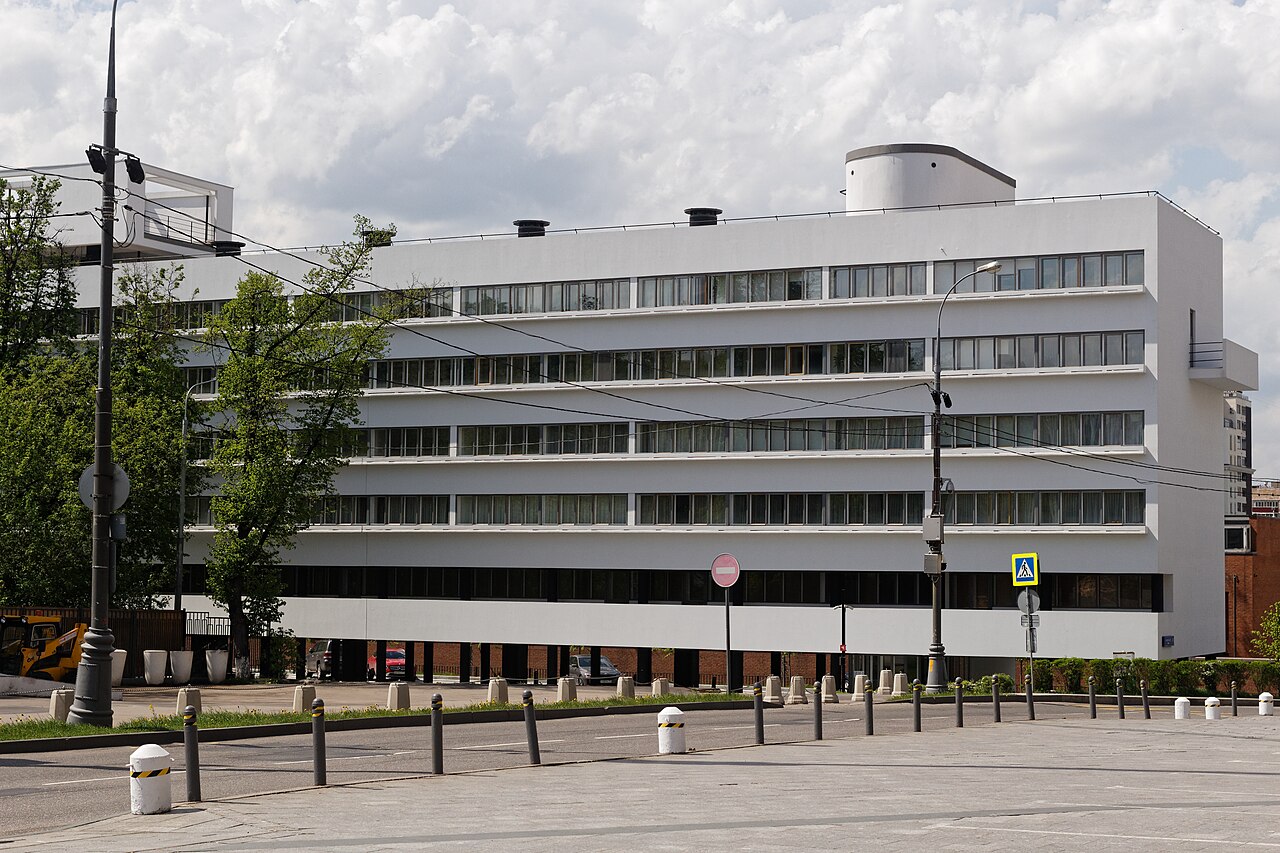
The Narkomfin Building

significant
The Narkomfin Building
Retired electrician, CC0 · Wikimedia Commons
The 1930 house by Ginzburg and Milinis is the transitional commune-house with which any conversation about twentieth-century housing begins: two-level units, a corridor every second floor, kitchen and laundry taken out of the flat. Le Corbusier knew this building and leaned on it in the Unité d’habitation at Marseille — the ribbon window, the pilotis and the interlocking sections are all here first. But expectations must be squared honestly: the restoration of 2017–2020 gave the house back to its residents, and the museum here is one restored unit, not a building. Looking is done from outside and in a single flat, by appointment.

A restored type F unit, furnished to Ginzburg’s drawings. The building itself: the residential block on columns, the communal block, the bridge between them.

1.7 km from here · Novinsky Boulevard 25, block 1 · ·
· No. 74
History · since 1896

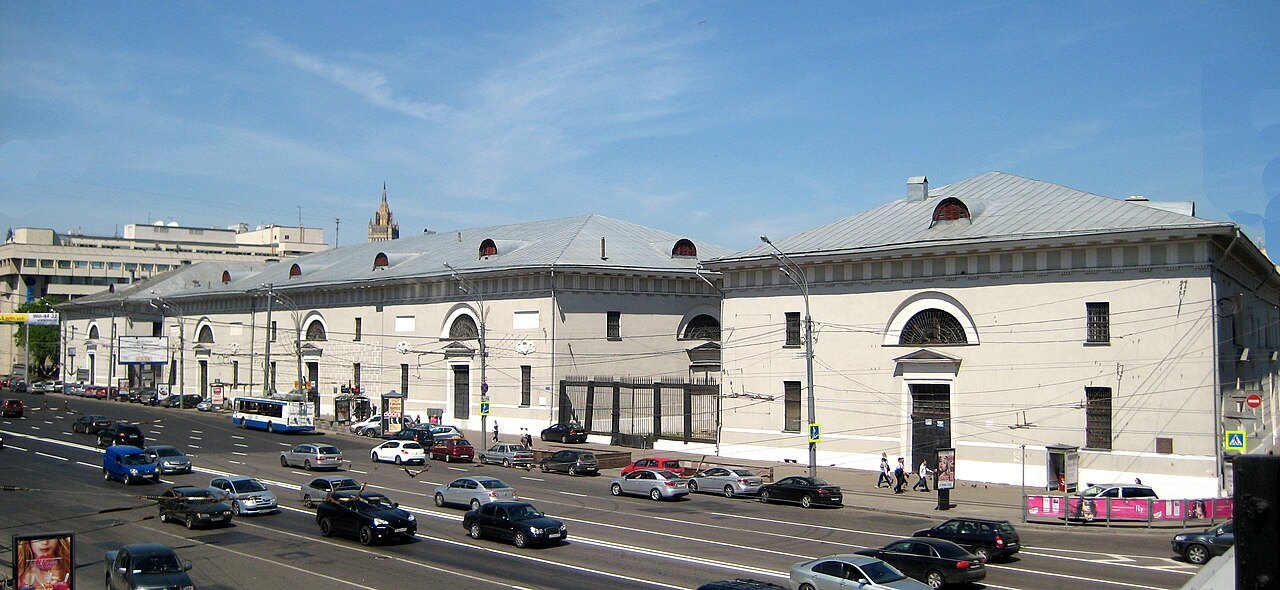
Museum of Moscow

significant
Museum of Moscow
shakko, CC BY-SA 3.0 · Wikimedia Commons
A city museum — an ordinary genre in Europe — but the material is unique in scale: a million objects about one city. The value is also the Provision Warehouses by Stasov, a model Empire building rarely accessible from inside.

The permanent display History of Moscow: the archaeology of Moscow soil, town life, plans and views of the city by century. And the Provision Warehouses themselves, an Empire monument after Vasily Stasov.

2.0 km from here · Zubovsky Boulevard 2, bldg 7 · ·
· No. 56

5 museums have no point set. They are not in this count.