Museums near Museum of Folk Prints
We do not ask your browser where you are. We collect no data about people. Place the point on the city map yourself — we will find the nearest museums that suit your preferences.
The Museum of Patrons
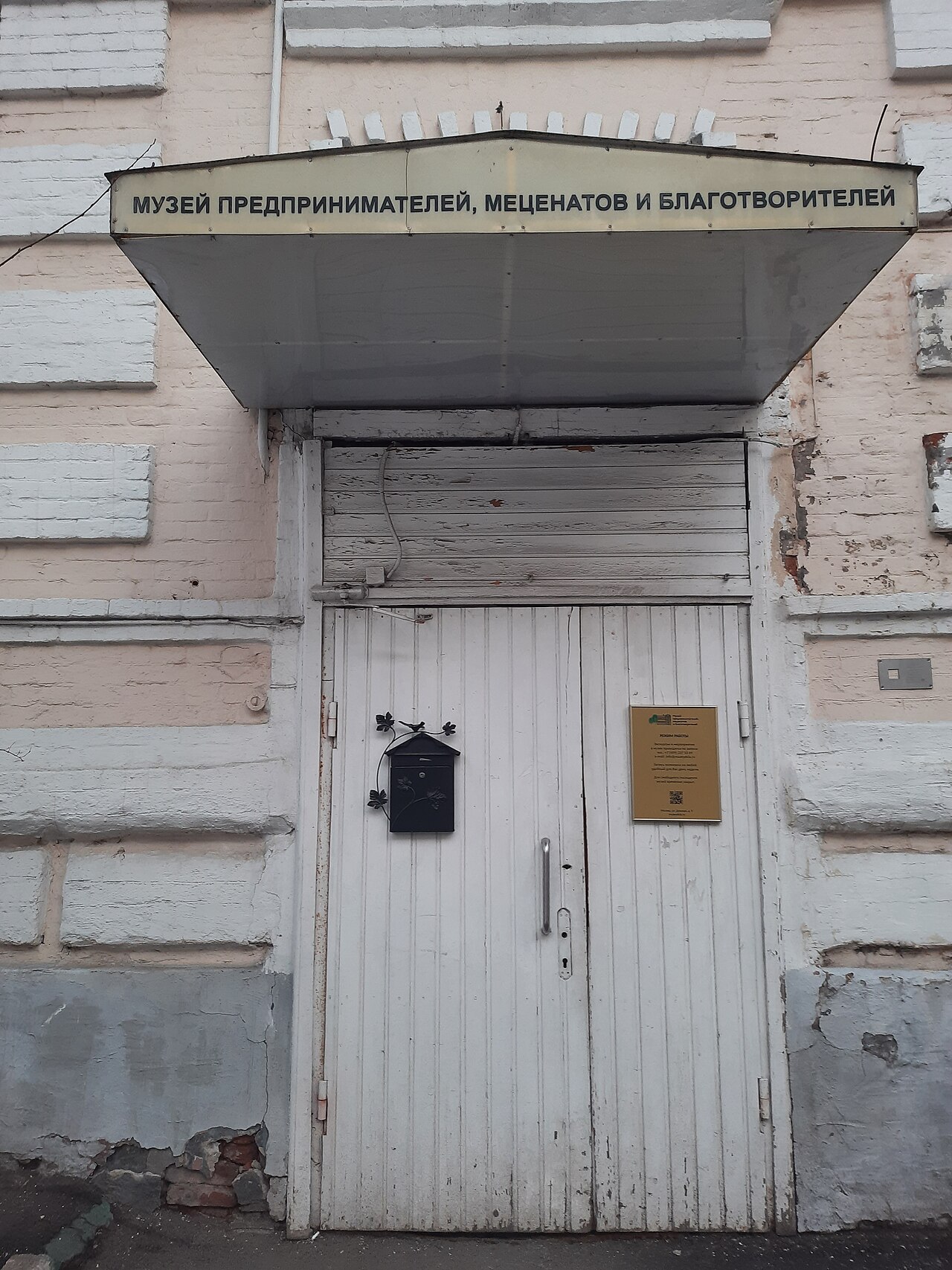
Documents, portraits and belongings of the Moscow merchantry of the nineteenth century. Material on the Tretyakov, Morozov, Bakhrushin and Shchukin dynasties. The house of Ivan Prostyakov, in which the museum lives.
The Archives Exhibition Hall
Originals that normally stay in the stacks and are never seen: decrees with the signatures still on them, drawings, letters, photographs. They come here from the Archive of Ancient Acts, the Military History Archive and other state repositories, into which one cannot simply walk.
The Mineralogical Museum
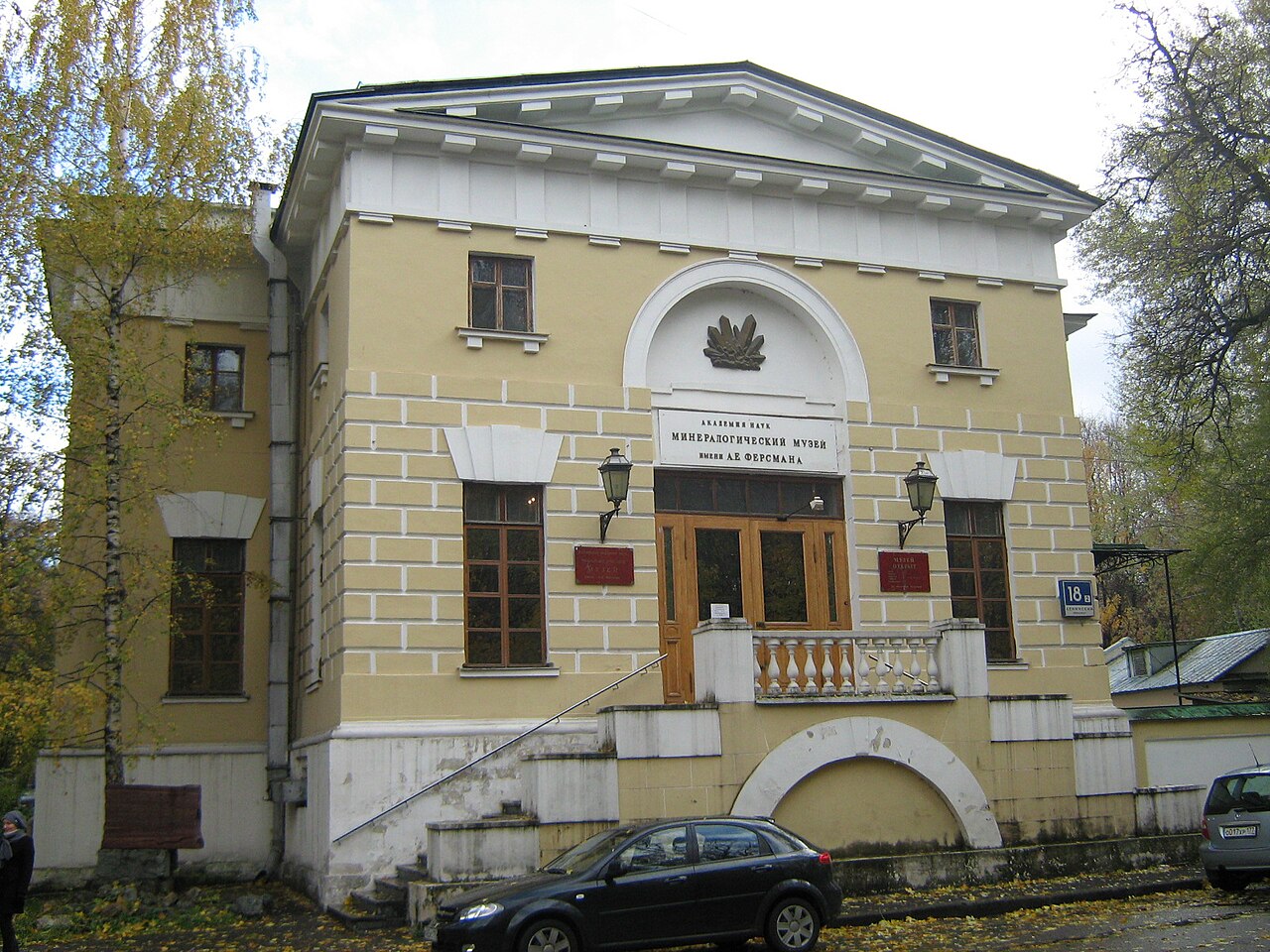
The systematic collection — the whole known mineral world by class. Ural malachite and rhodonite from the old crown holdings. Meteorites. Hardstone work by Fabergé and the Peterhof lapidary works. Large specimens of a size only museums of this age possess.
Ostankino
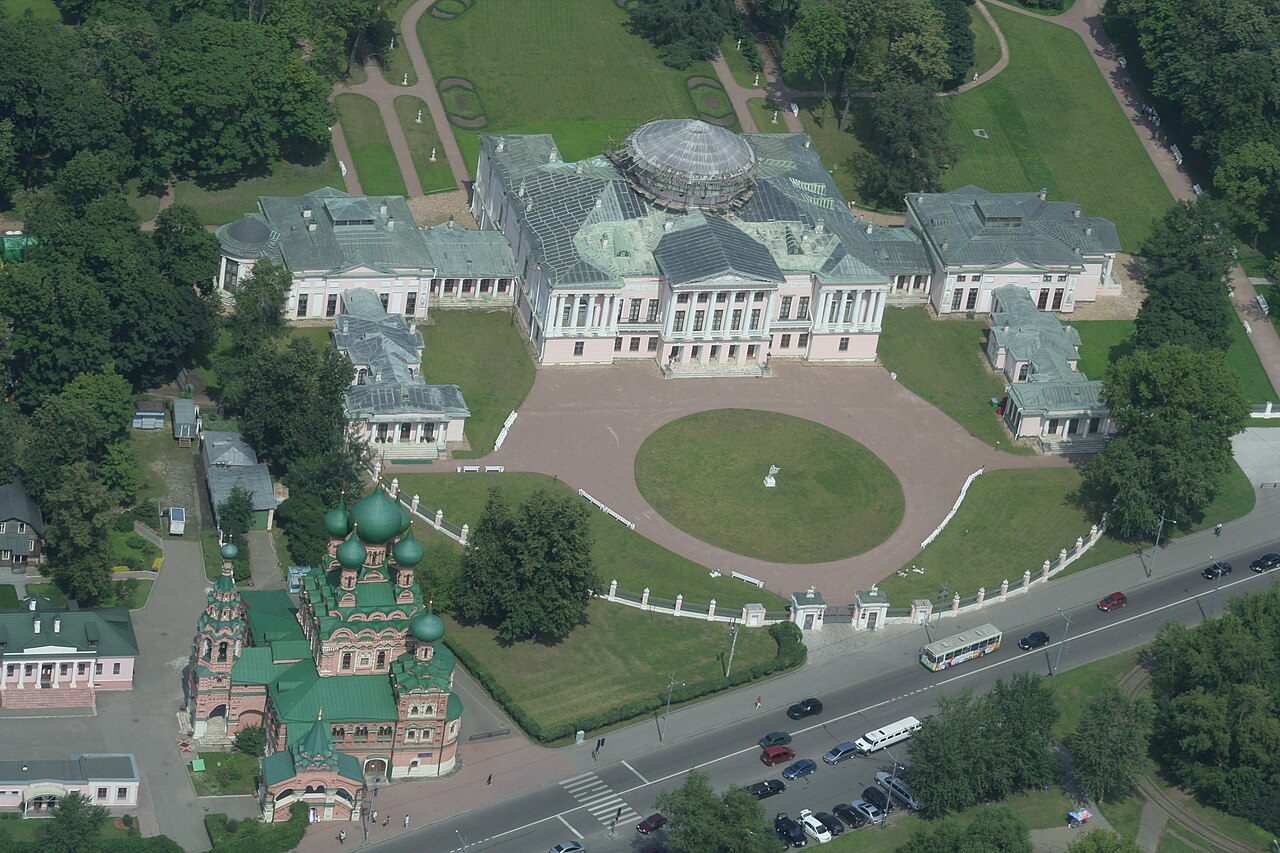
The theatre hall with its machinery, which turned it into a ballroom. The Egyptian and Italian pavilions. A collection of light fittings and carved wood. The Church of the Life-Giving Trinity of 1683 beside the palace.
Novodevichy Convent
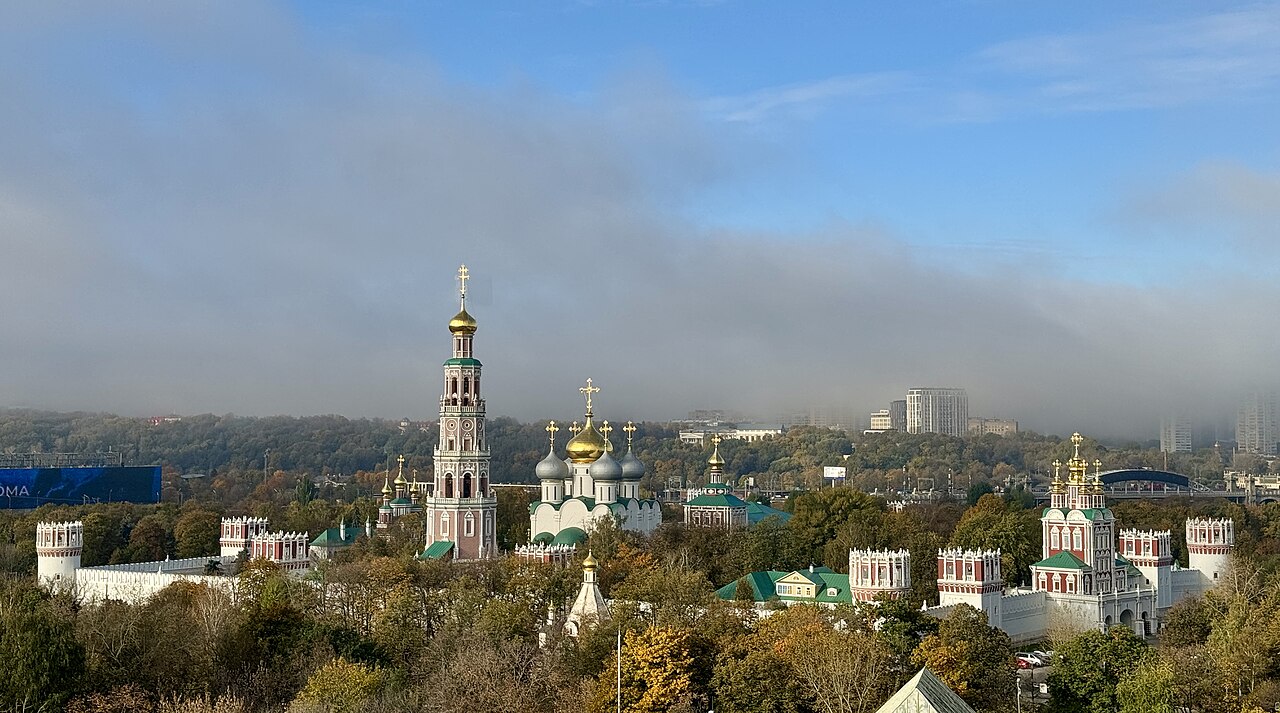
The Smolensk Cathedral of 1524 with its sixteenth-century wall painting and iconostasis. The walls and towers of the late seventeenth century — Moscow Baroque entire. The burial ground: Denis Davydov, Sergei Solovyov. Chekhov was buried here in 1904 and moved in 1933 to the new Novodevichy cemetery outside the wall.
The Museum of Cryptography
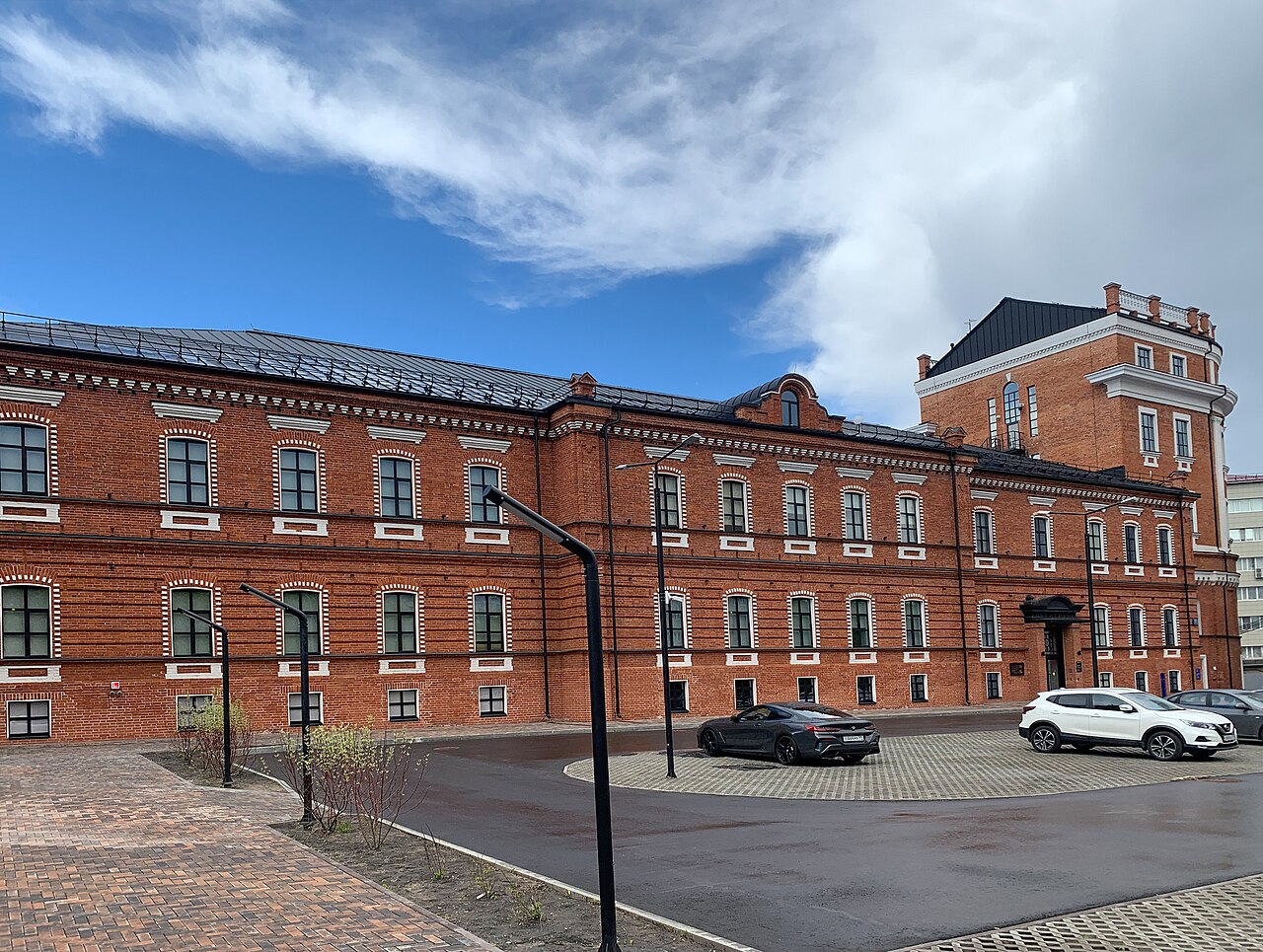
Cipher machines of the twentieth century, the German Enigma among them. Soviet scrambling apparatus. Sections on the ciphers of antiquity and on cryptography now. A display about the Marfino sharashka, within its own walls.
The Borodino Panorama
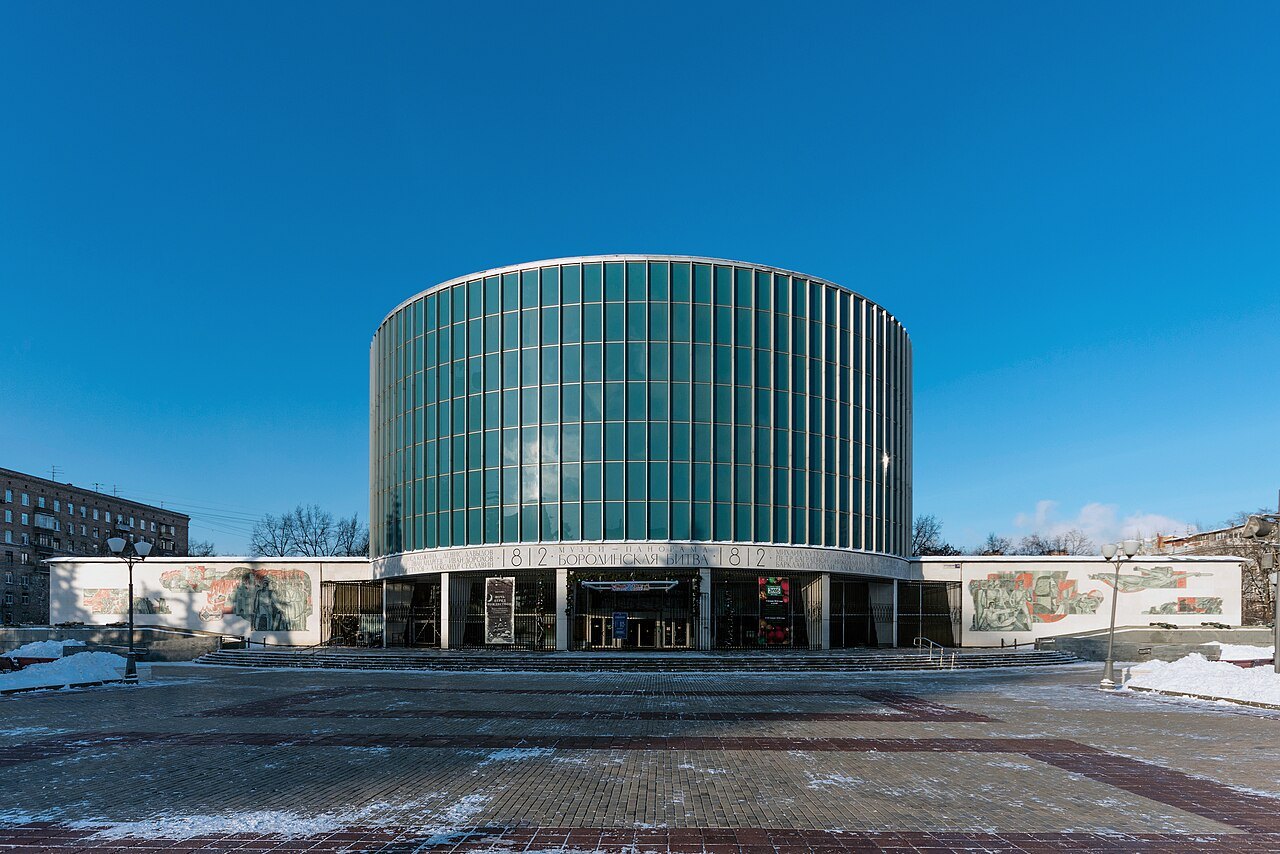
Franz Roubaud’s Borodino panorama of 1912: 115 metres of canvas in the round, 15 metres high. Next door, the Kutuzov hut where on 1 September 1812 the council of war decided to abandon Moscow.
Experimentanium
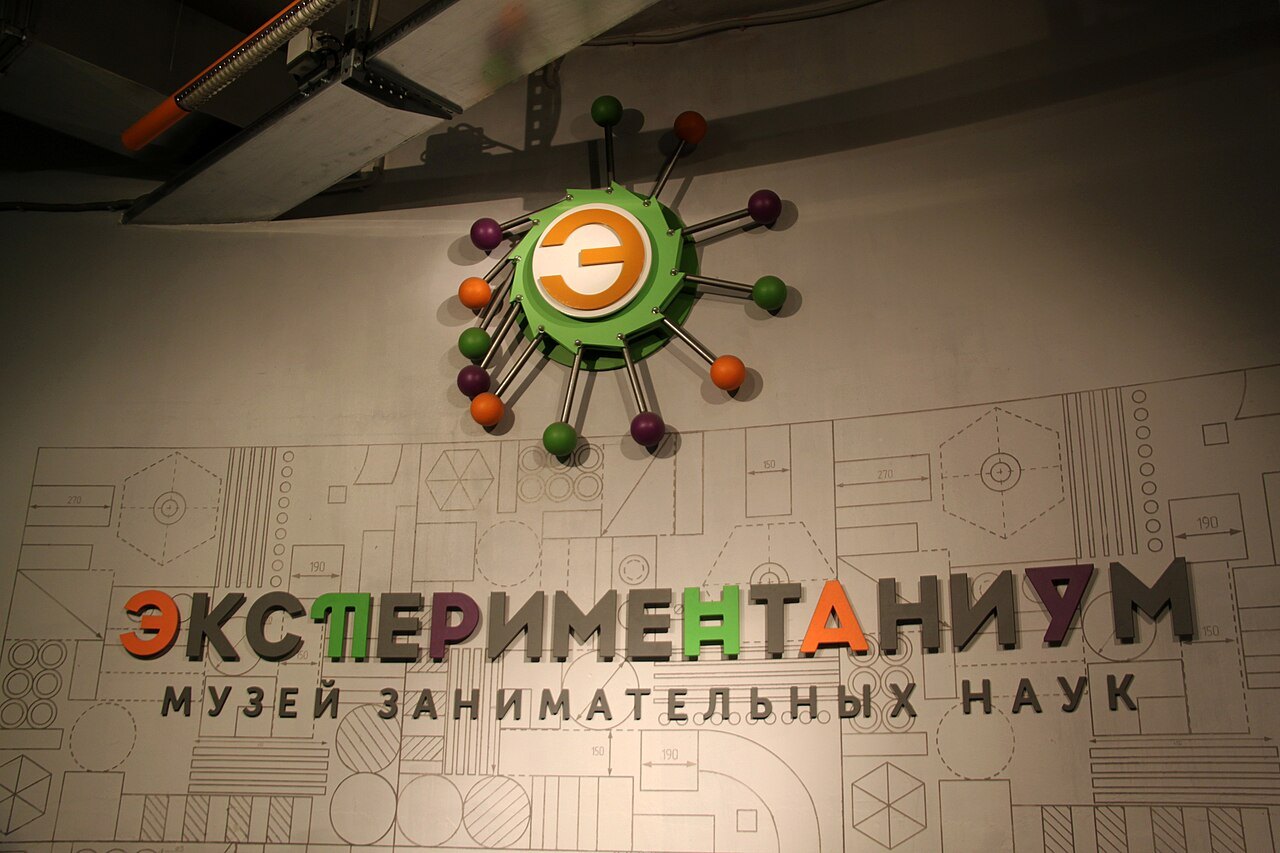
Halls of mechanics, optics, acoustics and electricity; a mirror maze; science shows to a timetable.
The Victory Museum
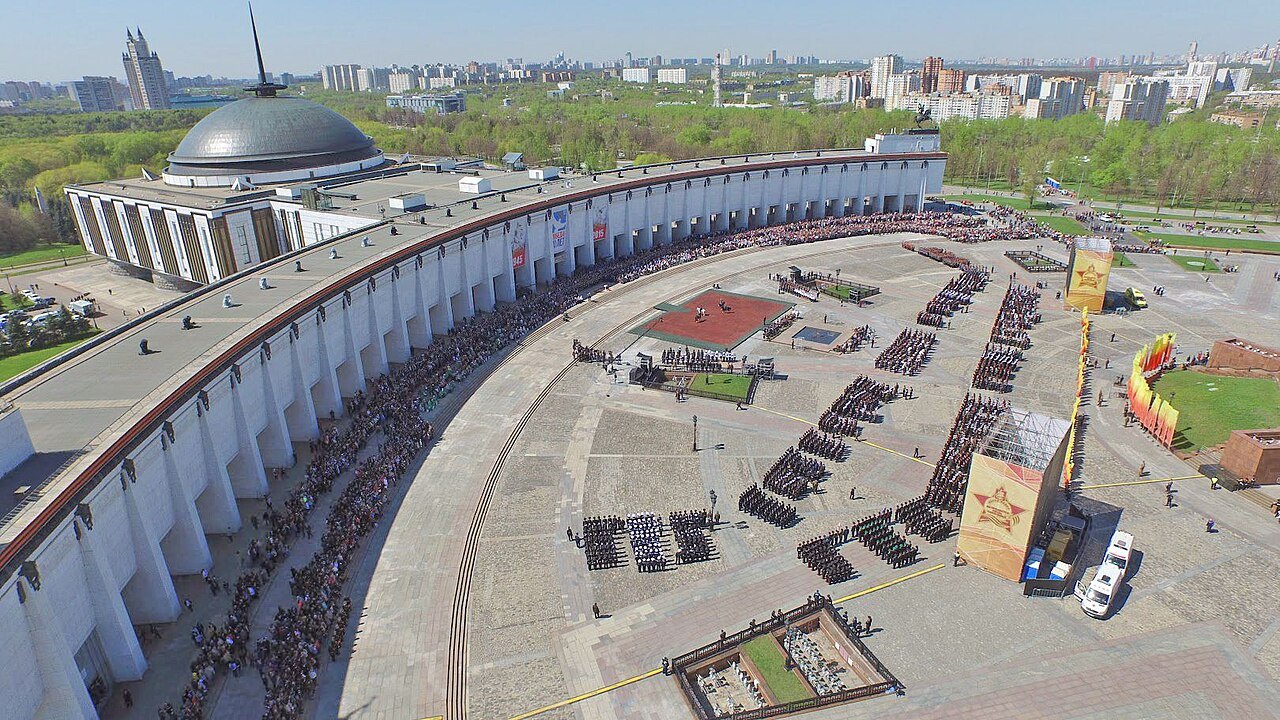
The Hall of Glory and the Hall of Remembrance and Sorrow; six dioramas of the decisive battles; the open-air park of military hardware.
The Darwin Museum
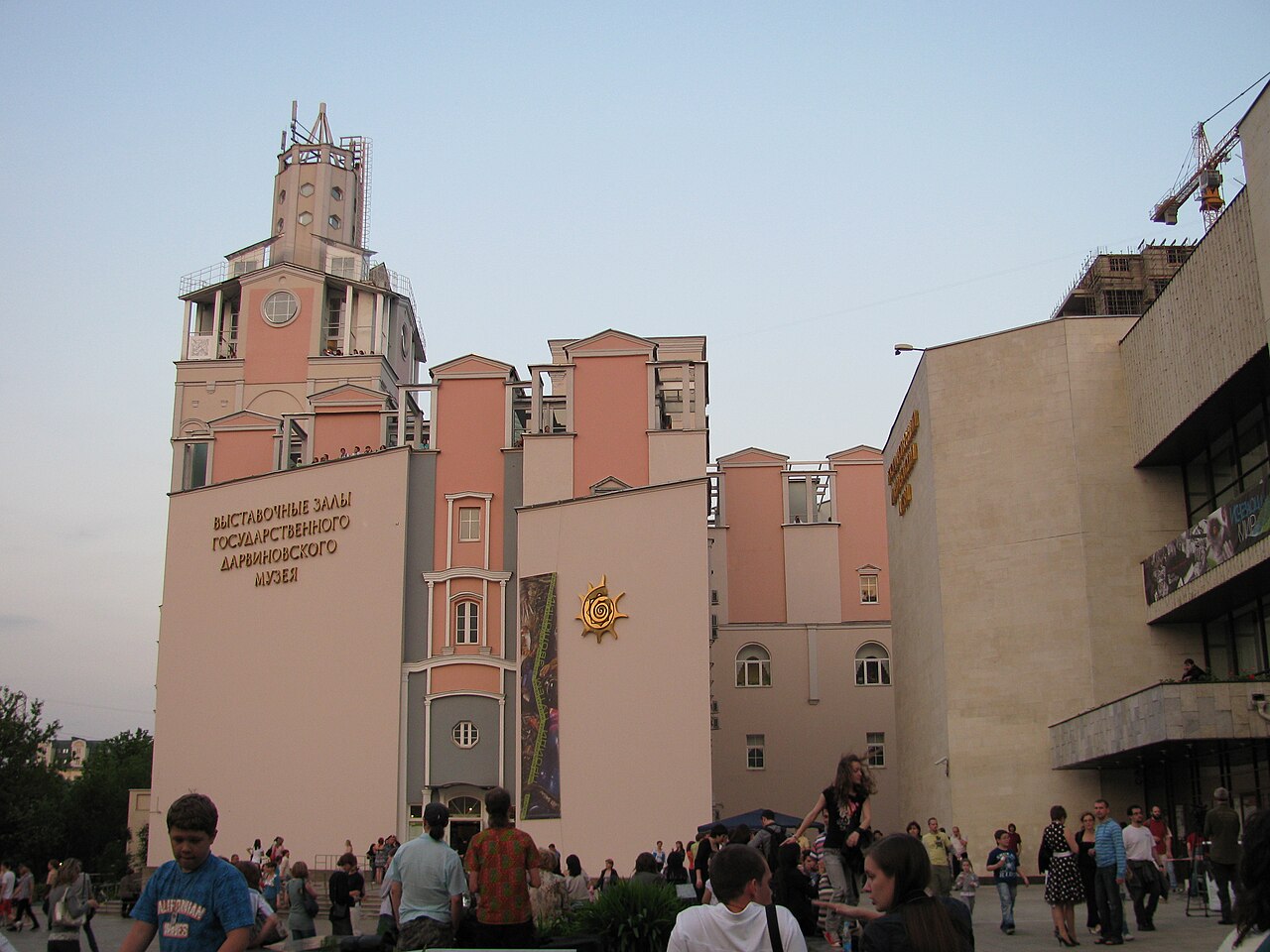
Early 20th-century taxidermy by Filipp Fedulov, among the finest anywhere; the collection of albinos and melanists gathered by Kots as visible proof of variability; the Living Planet hall.