Your browser is older than this page. The catalogue still reads here: the list, the filter and the cards all work. Your browser will mark filter choices with plain checkboxes, as best it can. Update your browser to see the page as it was built.
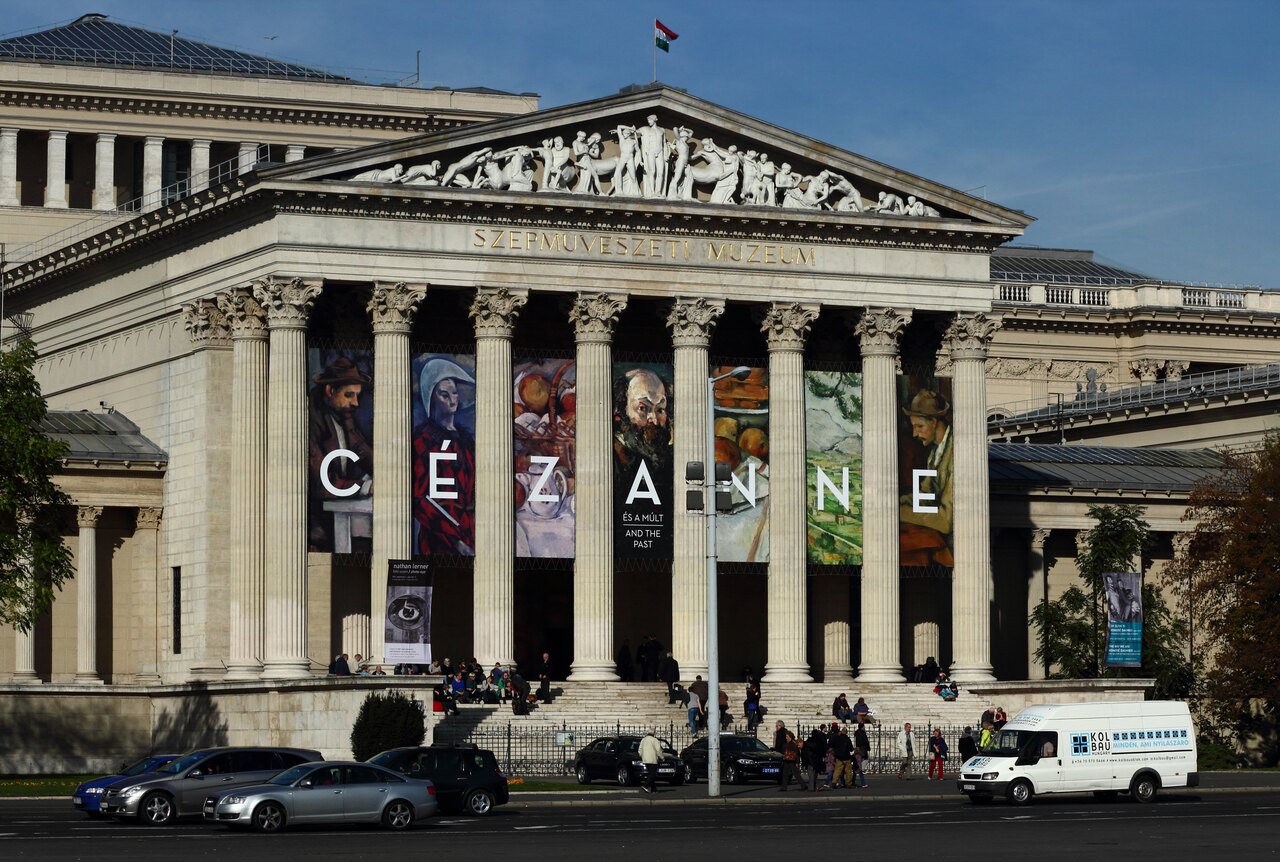
Budapest keeps its museums in four separate quarters: the old masters and the ethnographic collection at Heroes’ Square, Hungarian painting and the medieval palace up in the Buda Castle, Roman Aquincum and the avant-garde out in Óbuda, contemporary art and the memory of the Holocaust down in Ferencváros. The Esterházy collection, bought by the Hungarian state in 1870–1871, became the National Picture Gallery, and the Museum of Fine Arts grew out of that in its turn. The museum map of the city is still being redrawn: several of the large collections are in transit or behind hoardings.
outstandingincluded in museum admission, HUF 5,800
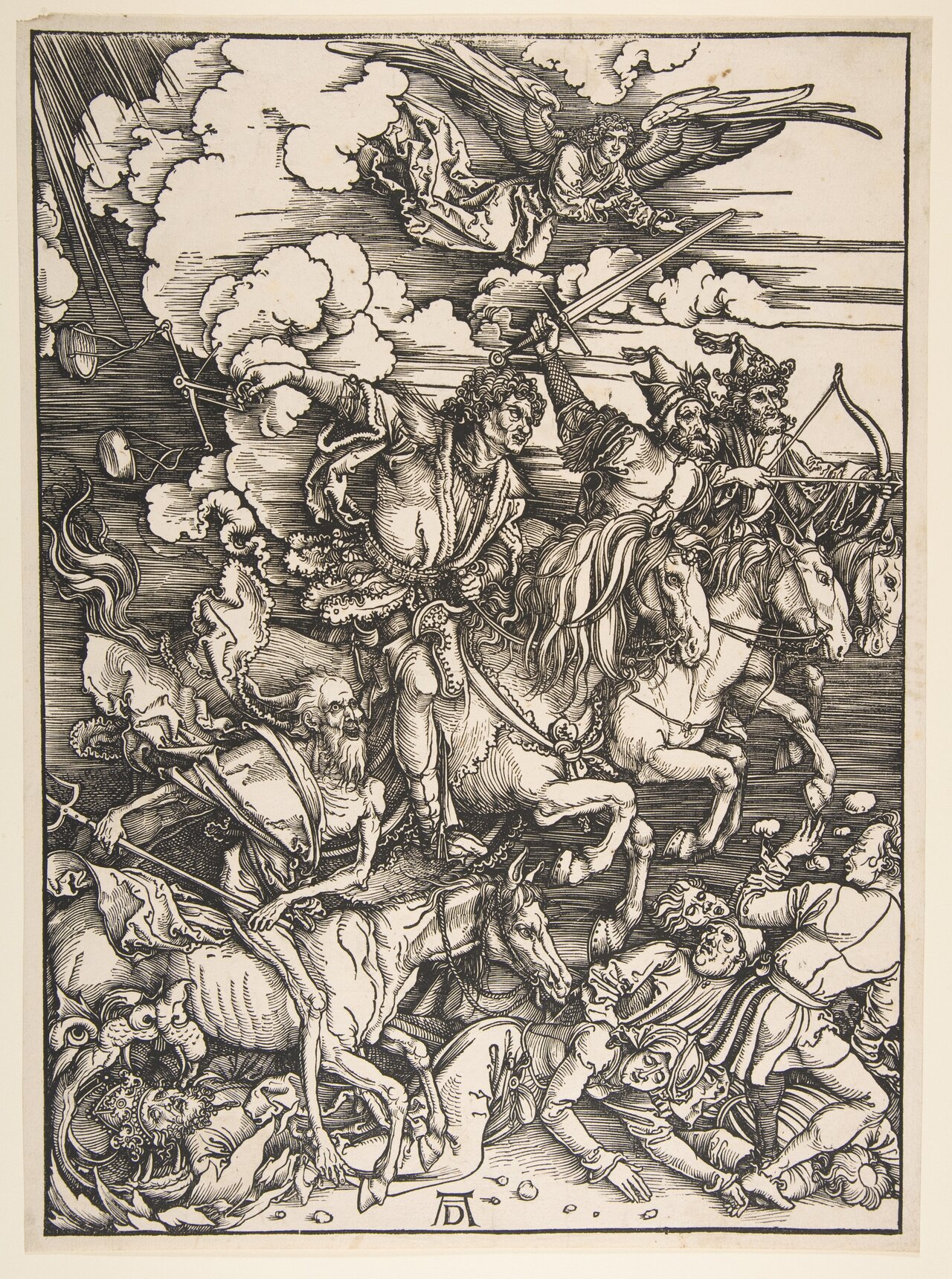
Whole engraved cycles on the Book of Revelation are rare, and the ones that decided how Europe pictured the end of the world are gathered here. Albrecht Dürer set the pattern, and printmakers kept inside it for two hundred years; what shifts from sheet to sheet is doctrine, and it shifts in the composition rather than beside it. Lucas Cranach the Elder and his workshop follow, the burin plates of Jean Duvet, the lithographs Odilon Redon published in 1899. Hungarians of the twentieth century have the last word, and above all Béla Kondor, whose “Apocalypse with Dolls and Machines” dates from 1956.
János Vaszary spoke of Italy as “colour, light, movement and life”, and the show is about what lay behind such a sentence for Hungarian painters from the nineteenth century to now.
A slab of limestone covered with pupils’ drawings, made somewhere between the thirteenth and the eleventh century BC, says more about the trade than any finished wall.
5 March — 31 December 2026 · In the medieval lapidarium.
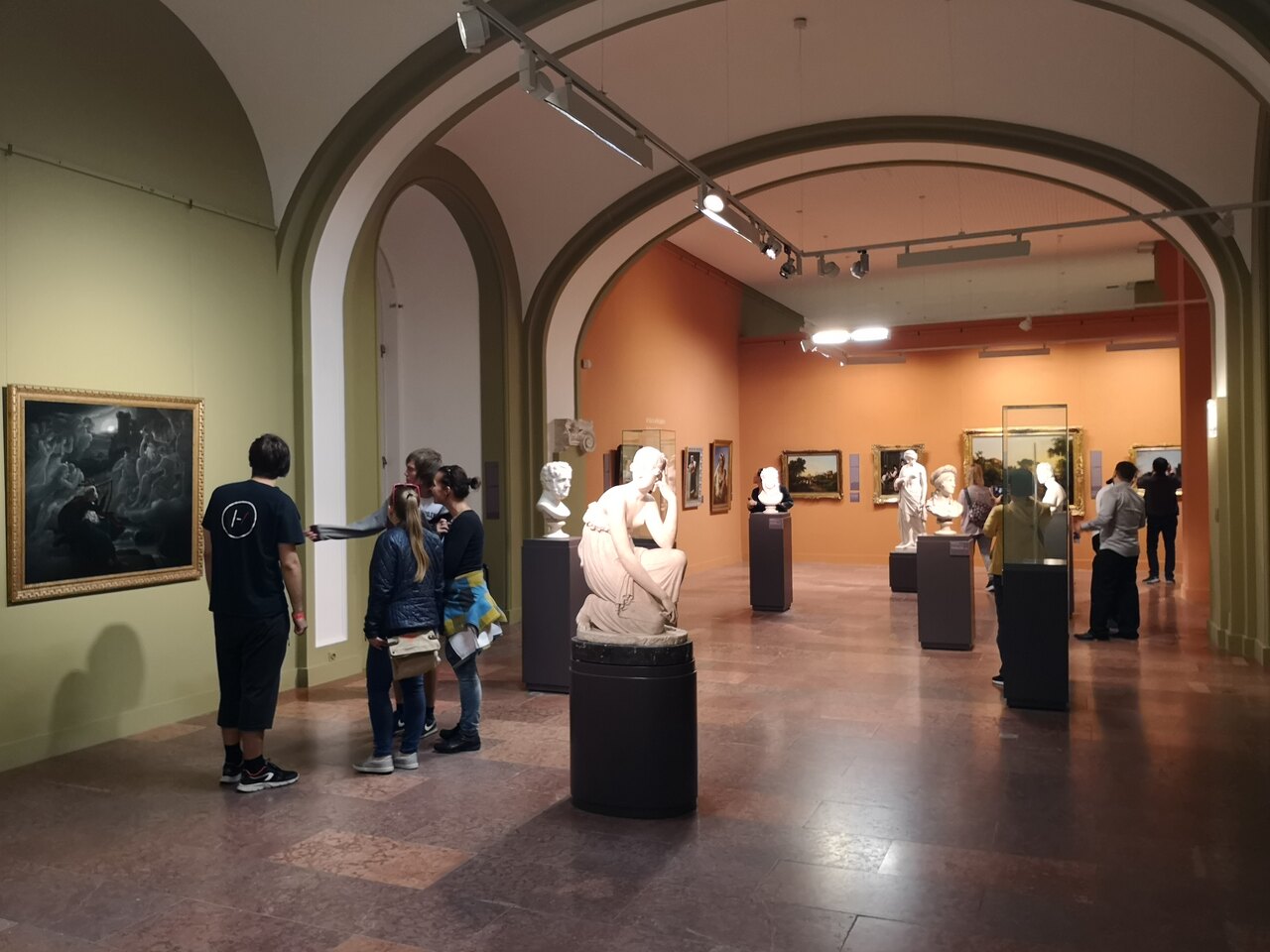
The Spaniards are the reason to come. Bought whole, the Esterházy pictures gave Budapest an almost unbroken line of Spanish painting from the fifteenth century to the turn of the twentieth, and that line stands with the Louvre’s and the Hermitage’s. Italian Renaissance painting is thinner here than in Vienna or Dresden. Hungarian art is absent altogether — it lives across the river in the National Gallery, which is a division of labour between two houses of the same institution rather than a gap.
The Esterházy Madonna by Raphael, one panel out of the 637 paintings the state bought in 1870–1871. The Spanish rooms: El Greco, Velázquez, Ribera, Murillo, Goya. 263 Dutch and Flemish pictures arrived in the same purchase. The Egyptian department holds coffins, stelae and burial goods. Among the old sculpture stands a bronze Horse and Rider that the museum connects with Leonardo da Vinci.
Information about the Romanesque Hall in the press tends to concentrate on statistics: how many years it has been closed for (70); how many kilos of gold were spent on the refurbishment (5.5) … But what about the Romanesque Hall itself? ……
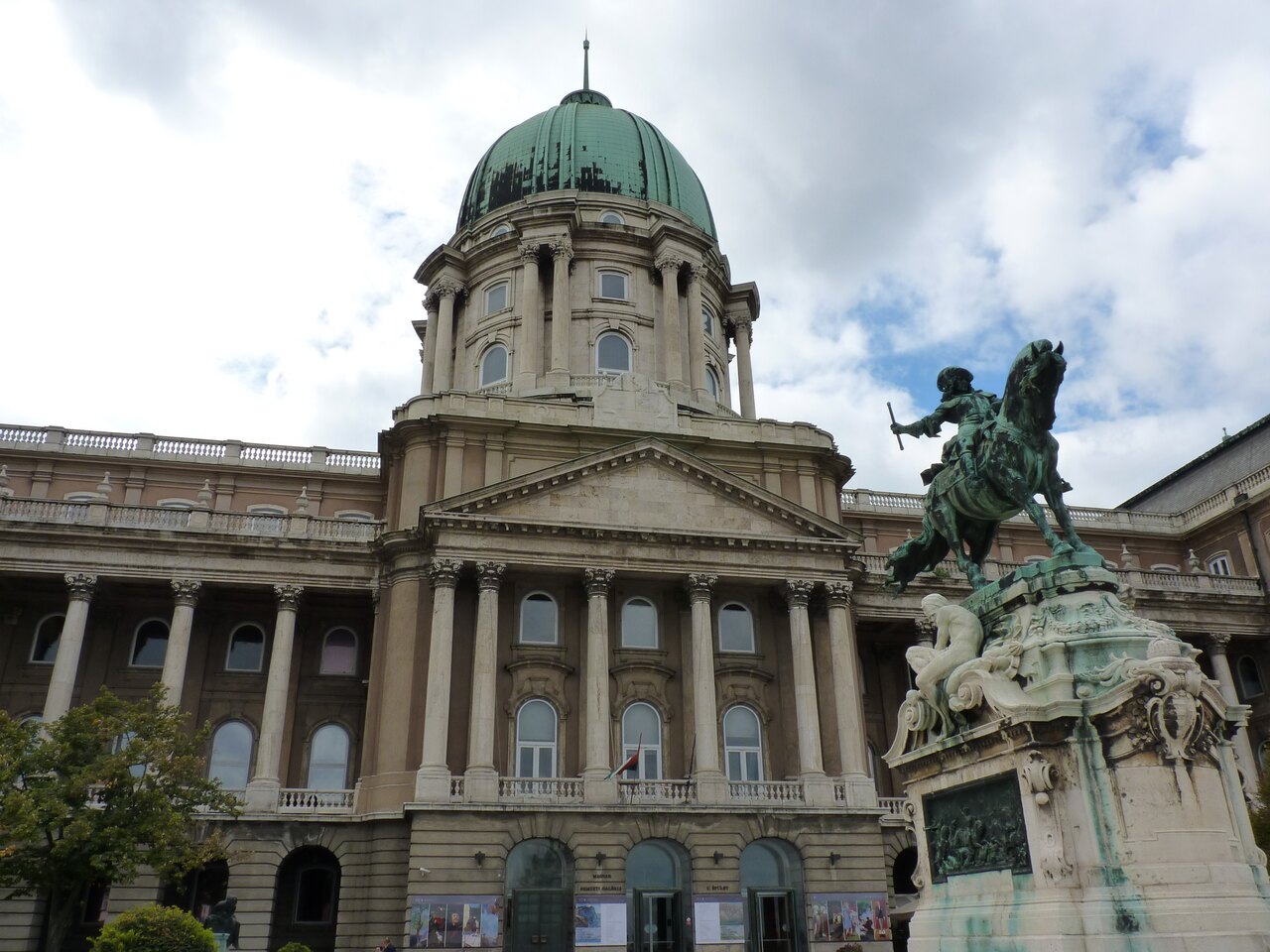
Hungarian painting is gathered here as it is nowhere else on earth. Csontváry and Szinyei Merse barely leave the country, so any judgement of them has to be formed in these rooms. The Gothic altarpieces are the second reason to climb the hill: complete cabinets stand in rows, carving and wings together, where most European collections keep single panels prised out of their frames. Foreign art is thin — the international department runs from Courbet to Baselitz and does not pretend to replace Paris or Vienna.
Late Gothic winged altarpieces: whole altar cabinets lifted out of parish churches in Upper Hungary and set in one hall. Picnic in May by Pál Szinyei Merse, painted in 1873 and refused by his contemporaries. The room of Tivadar Csontváry Kosztka, with The Lonely Cedar and Pilgrimage to the Cedars in Lebanon. Yawning Apprentice by Mihály Munkácsy. Turn-of-the-century sculpture and Hungarian modernism: József Rippl-Rónai, Károly Ferenczy, Lajos Gulácsy.
Szent György tér 2, 1014 Budapest (Buda Castle) ··
This is where the shape of Hungarian history is set out, and it is set out in objects: Avar gold, Roman inscriptions, weapons, seals. Two of the collection’s best things are out of reach at present, which changes the arithmetic of a visit. There is more Roman material here than in the Kunsthistorisches in Vienna, Pannonia having lain on this ground; there is less medieval sculpture than in the National Gallery across the river.
The Roman lapidarium in the basement: inscribed stones and sarcophagi from Pannonia. On the Border of East and West, grave goods from the Palaeolithic to the conquest, with gold from Avar burials. The History of Hungary in two parts, from the crown of Saint Stephen to 1990. The coronation mantle of 1031 and the Seuso Treasure have been closed for building work since December 2025; until that work ends there is no point in coming for them.
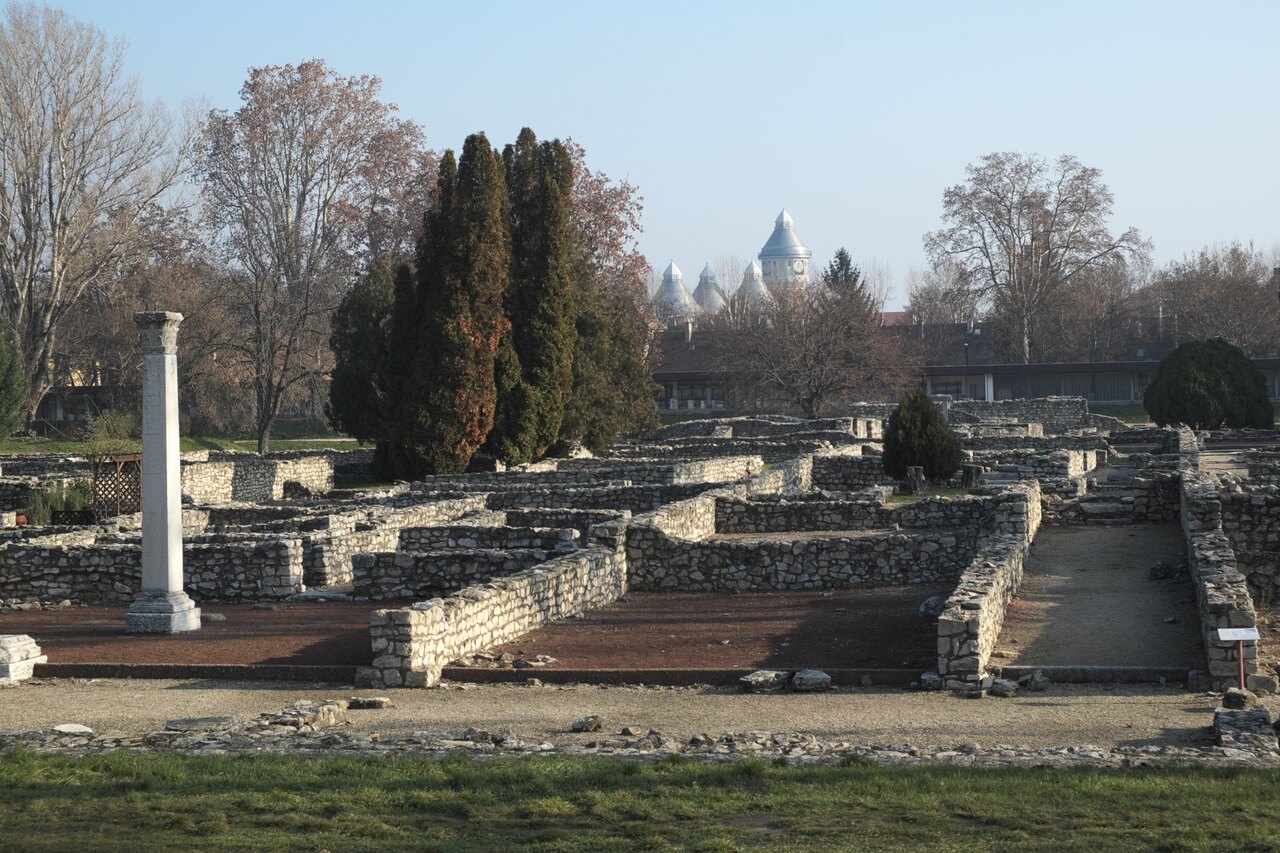
Come for the organ. Roman instruments are known in quantity from images; one has survived, and it is here — Naples has none, nor London, nor Cologne. The excavation itself is modest against Pompeii and Ostia: walls rise half a metre, there are no upper floors, and the town has to be imagined from plans. Anyone giving a day to Roman Hungary would do better to start at the National Museum lapidarium and finish here.
The water organ of AD 228, the only Roman organ to survive anywhere. Lajos Nagy found it in 1931 in the cellar of a burnt-out fire station: more than four hundred bronze parts. A Latin plate names the buyer, Gaius Iulius Viatorinus, commander of the fire brigade, who bought the instrument for his men. The tombstone of Aelia Sabina, wife of an organist, carries an inscription about her playing. Mosaic floors and a mithraeum stand out on the dig; the Painter’s House keeps its wall painting.
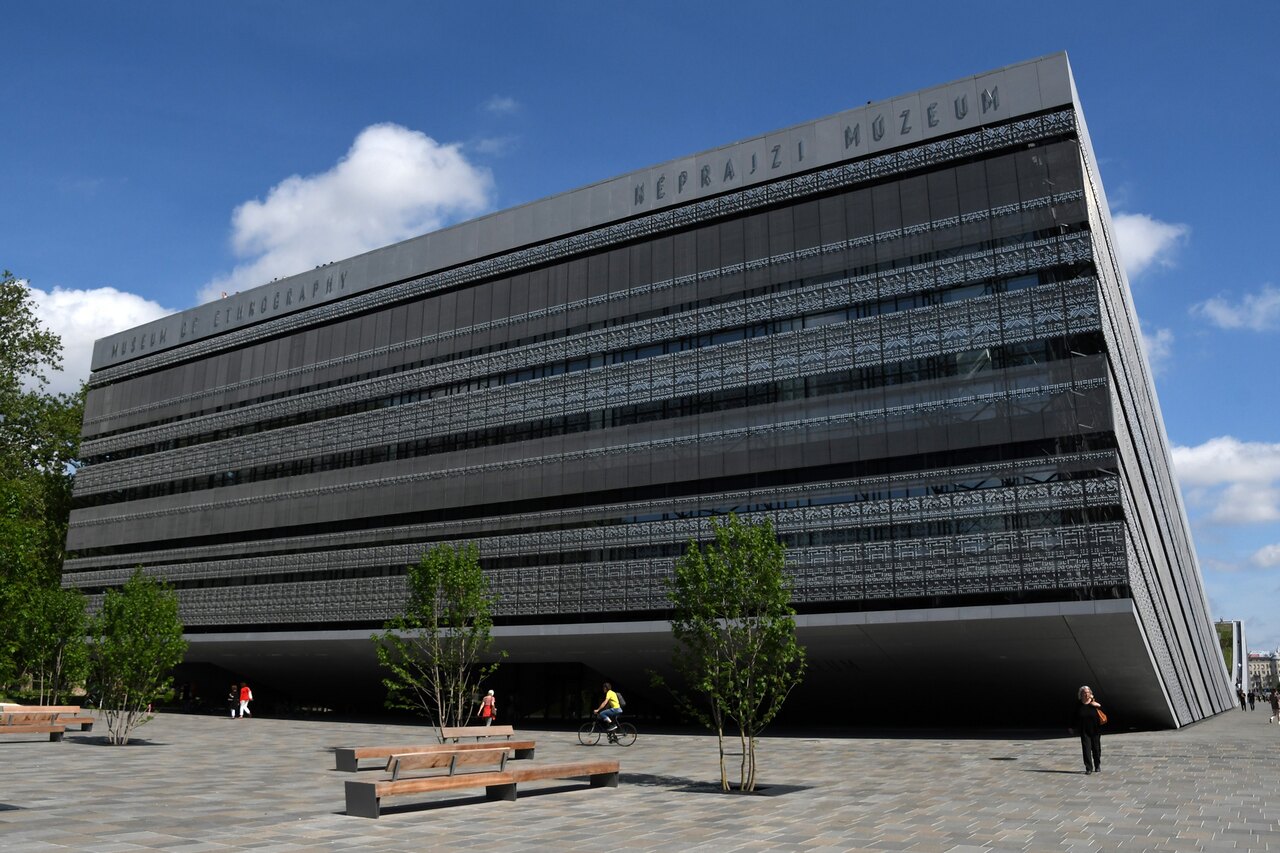
Hungarian peasant life is gathered here more densely than anywhere, yet the reason to come is the overseas material — collections a country without colonies had no business owning. Bíró’s New Guinea things reached Budapest because Austria-Hungary opened doors for its naturalists across the world. Set beside the Royal Museum for Central Africa at Tervuren the Congolese part is small; the Oceanian part stands with the strongest in Europe. The 2022 building is the second reason: galleries below ground, a roof that serves as parkland.
The Oceania collection, about 14,500 objects, three quarters of them gathered by four men around 1900. Lajos Bíró brought six thousand things back from New Guinea between 1896 and 1901, along with three hundred photographs. 466 objects from the Congo came in 1910 from Emil Torday, who worked for the British Museum. The Ceramics Hall ranges the pottery of the world in rows, with no line drawn between home and abroad. Zoom, the second permanent display, is about how a gaze at another culture shifts.
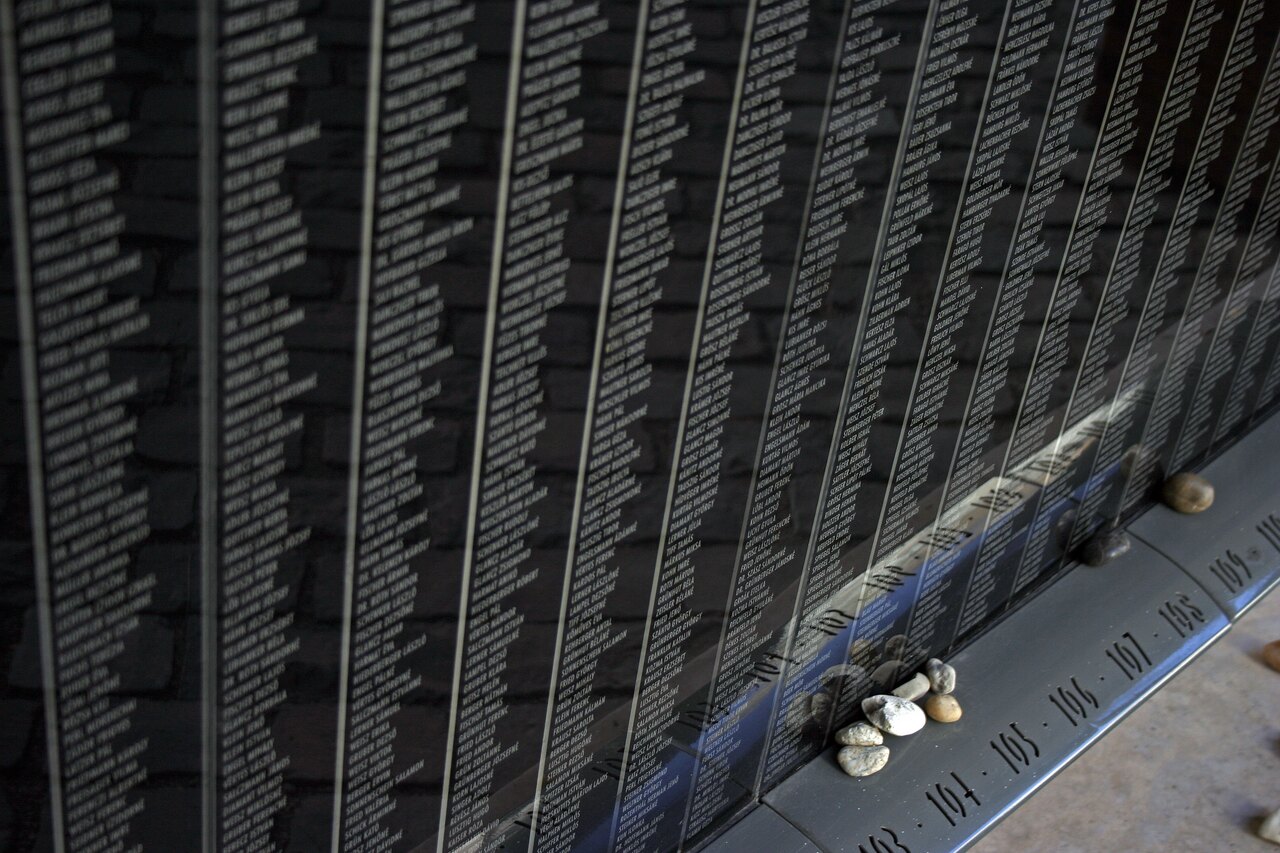
Of the three places in Budapest that speak about the Holocaust, this is the only one with a permanent scholarly display; the House of Terror folds two dictatorships into one story, and the shoes on the Danube bank are a sign without an explanation. Against Yad Vashem in Jerusalem or the Washington museum the exhibition here is small and speaks of one country. What it does, it does exactly: the Hungarian year 1944 is laid out week by week, and the speed of it becomes visible.
The Baumhorn synagogue of 1923, its hall restored and standing inside the new building. The permanent exhibition: the road from the loss of civil rights to the deportations of 1944, told through documents, objects and the fortunes of particular families. The wall of names in the courtyard.
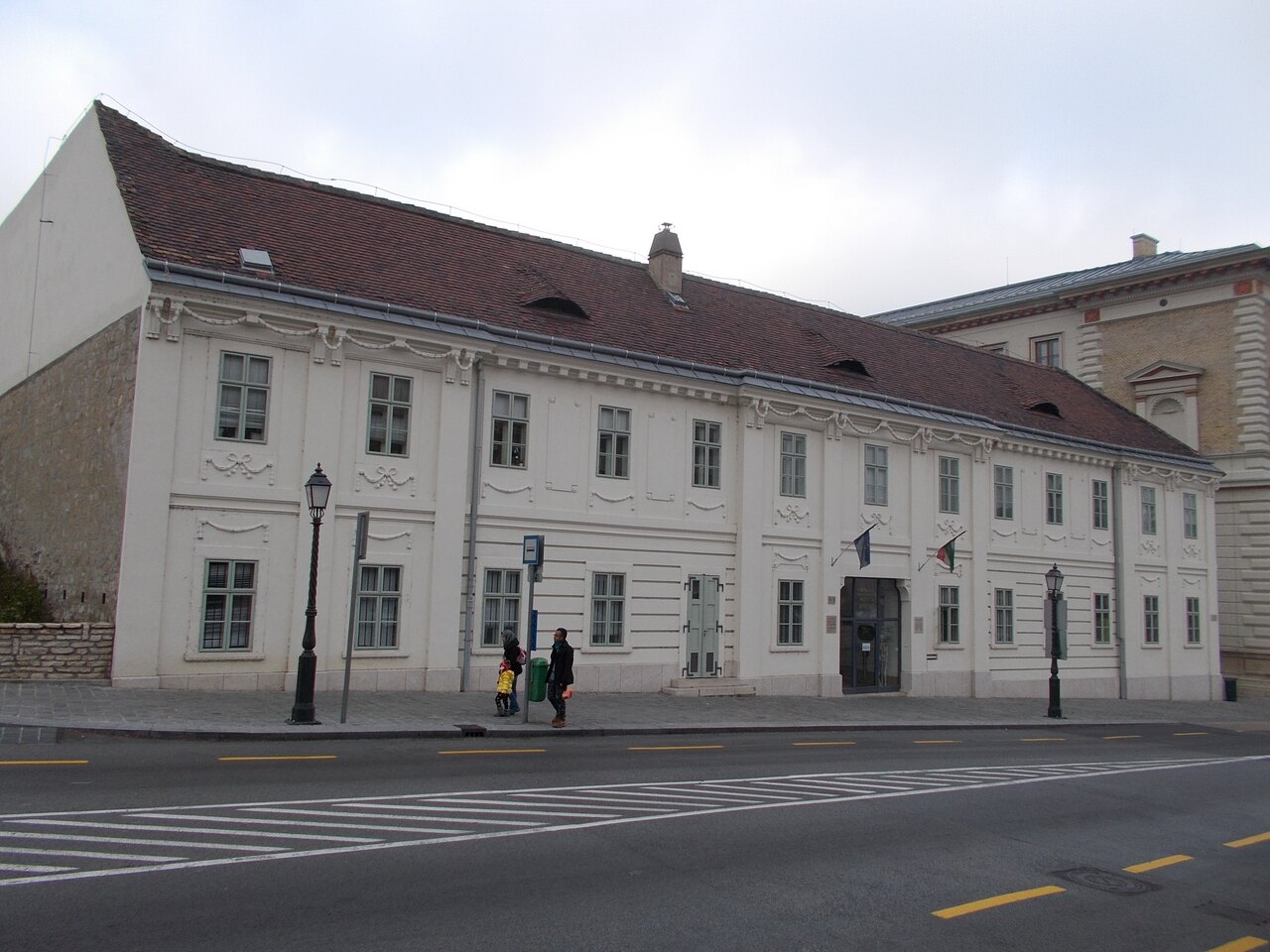
The house where the man who made doctors wash their hands was born shows the history of medicine from inside one life; the Wellcome in London and the museum of the Academy of Medicine in Paris hold more, and neither ties a place to a person like this. The collection is small: two houses, an hour and a half to walk both. Anyone expecting the whole history of Hungarian medicine will be given only its beginning.
The grave of Semmelweis in the courtyard of the house where he was born. Medical instruments from antiquity to the twentieth century, gathered across Europe. The Golden Eagle pharmacy in Tárnok utca: the fittings of an old town pharmacy, cabinets, vessels and laboratory. Anatomical wax models of the eighteenth century.
The Buda statues are a find that changed what is known about court sculpture in Central Europe around 1400; nothing of that circle survives in comparable number or condition in Vienna or Prague. The rest is weaker: the city history is told briefly, and the palace was rebuilt after the war in a way that makes its architecture hard to read. One room is the reason to come.
Gothic statues from the royal palace: more than sixty torsos that can be reassembled and thousands of fragments, found in 1974 in the filled-in cellar of a burgher house in front of the palace. They were carved for the court of Sigismund of Luxembourg (1387–1437) by masters who had come from several parts of Europe; some went into the ground half finished. The Gothic Hall keeps its seat niches. The palace chapel and the cellars beneath it.
Szent György tér 2, building E, 1014 Budapest (Buda Castle) ··
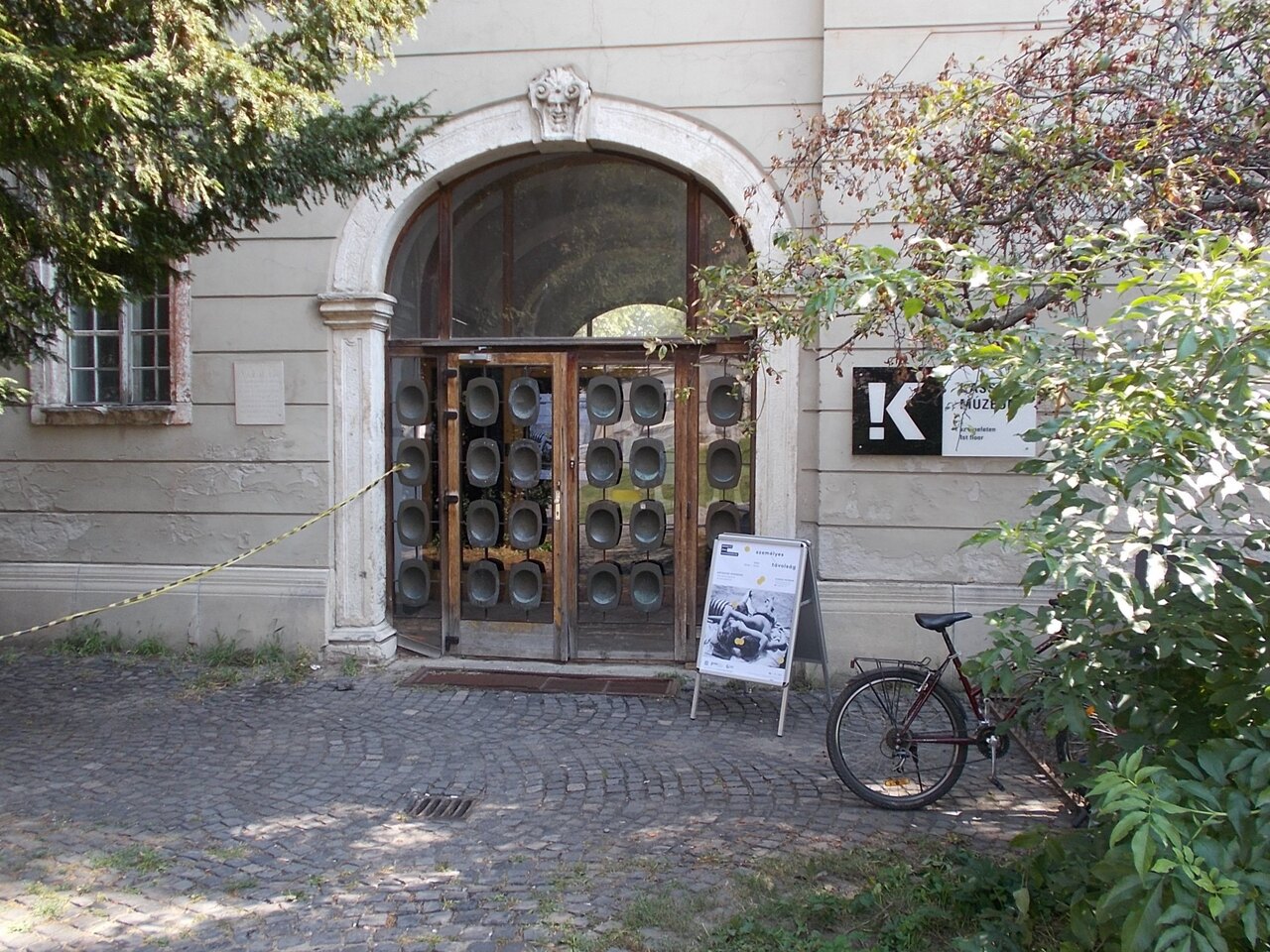
The Hungarian avant-garde was largely made by one man, and that man is gathered here. Neither the National Gallery nor the Ludwig shows him whole: they hang single works, while here the whole labour lies together, journals and typography included. The museum is small and asks for preparation: without some idea of the European avant-garde of the 1920s half of what hangs will stay paper on a wall. A reader who knows Russian constructivism and the LEF group will find the ground familiar — Kassák read them and argued with them.
Kassák’s journals, A Tett and MA, in issues he set and laid out himself. Paintings and collages by his own hand, from the activism of the 1920s to the late constructions. Letters and papers about his collisions with authority, first the Horthy regime and then the communist one.
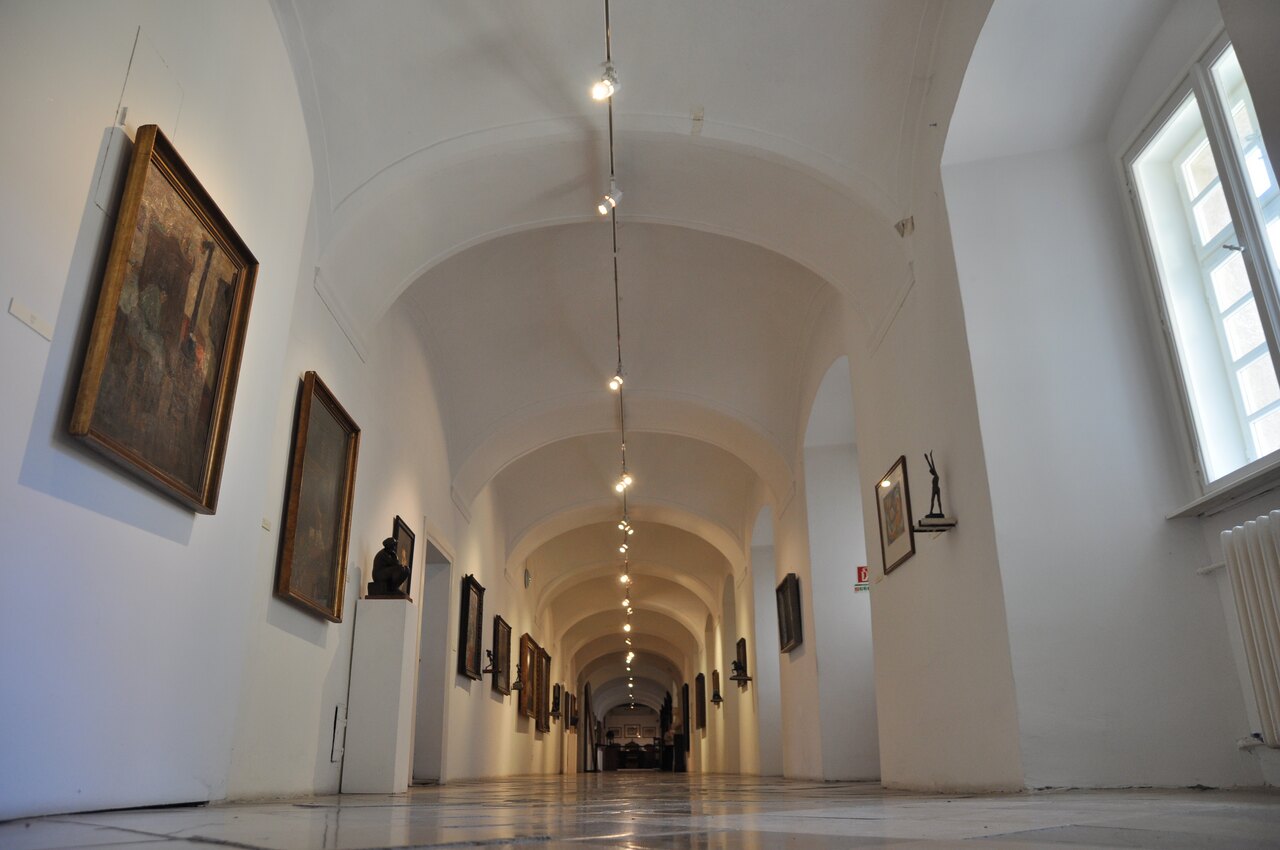
Kiscelli answers the question of what a city is made of: shop signs, a pharmacy, a printing press, furniture, a century of painting. No other museum in Budapest holds such a gathering of urban things, and about ten people a day climb the hill to see it. The ruined nave is the second reason: bare walls and sky instead of a vault do something to modern sculpture that a white room does not. Look elsewhere for the Middle Ages and for Rome — they are at the Castle Museum and at Aquincum.
The Columbia press of the Landerer and Heckenast printing house, on which the National Song and the Twelve Points were printed on 15 March 1848. The collection of guild signs, the only one of its kind in Hungary. The Golden Lion pharmacy, its 1830s fittings moved here whole. The ruined nave of the church, where contemporary art is shown.
Kiscelli utca 108, 1037 Budapest ··
· No. 110
Our rating scale
The rating here is our own — the judgement of those who compile this catalogue. It speaks of what a museum is worth coming for: where there is a collection, of the collection; where there is none, of the building, the ensemble or the monument and of what is shown in their rooms. Neither a queue in the street nor a loud name enters into it.
world-class
In the same rank as the world's leading museums.
outstanding
Worth a visit made for its own sake.
significant
There is something here worth coming for.
for enthusiasts
It answers those who come for the subject itself.
niche
Valued by a narrow circle and unrecognised beyond it.
A distinction apart
underrated
Worth more than its reputation: fewer people know it than it deserves
one of a kind
There is no counterpart — not in the country, not anywhere
read first
Some collections ask you to read something about them beforehand. Others only ask that you come in the right frame of mind. Without that you see the pattern and not what stands behind it
quiet here
No crowds: you can look at your own pace and on your own
How we keep this list
Checked on 22 August 2026 — against museum sites and open sources. Each entry carries its own date and its own note of what it was checked against. A price we could not confirm we mark as unconfirmed; the previous one does not stay in the entry.
How long — for the most important things, along our minimum route. The café, the shop and the queue at the cloakroom are not counted. Going round the whole museum almost always takes longer.
The photographs are taken from Wikimedia Commons under free licences; the author and the licence stand under each.
18 May — International Museum Day, kept since 1977; on the night of 17 to 18 May, the Night of Museums. On those days museums keep a special timetable and admission is often free.
If we got it wrong
Every figure and date on these pages has been checked by us. Write to us if a museum has changed its hours or its prices, if a link has died, or if a museum is missing from the list. We will correct it and set a new date of checking.